A diesel particulate filter (DPF) is a vital device introduced by carmakers since 2009 to reduce harmful emissions, but when it becomes blocked it can lead to costly repairs and frustrating breakdowns. Many drivers do not expect this problem, yet frequent short journeys and wrong driving habits can quickly cause DPFs to clog. Take the right steps to prevent, avoid, and repair these issues to keep your car performing efficiently.
Table of Contents
What is a DPF?
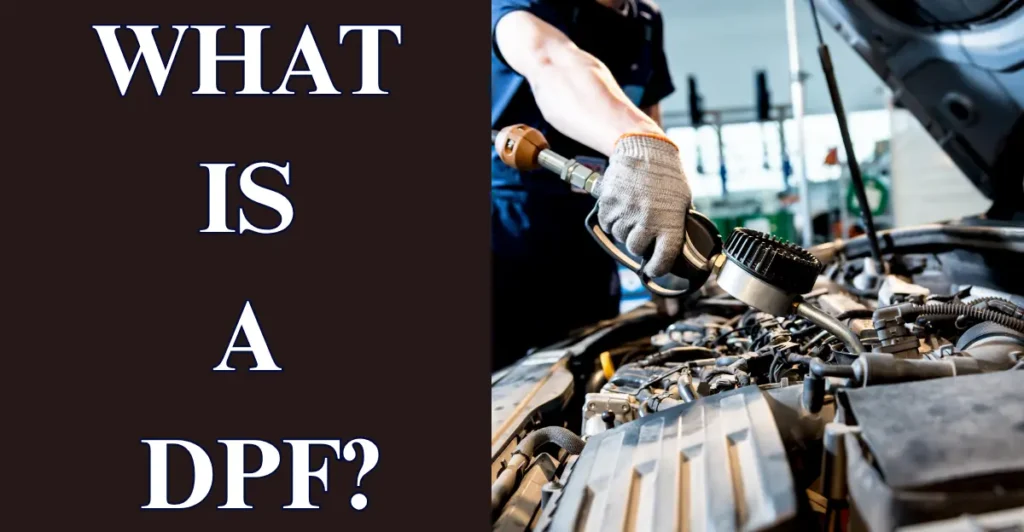
A diesel particulate filter (DPF) is a tough filter introduced to trap particulates like soot produced by diesel engines, stopping harmful particles from entering the atmosphere. It forces exhaust gases to pass through a system designed to prevent build-up and help control emissions.
Cars driven correctly allow the engine to heat up faster, so the burning of residue happens before it clogs, but short trips would not get it hot enough, meaning more maintenance is required. Because burning on long drives was always part of its job, skipping this can lead to problems that shouldn’t occur.
From my own hands-on work, I’ve seen engines pumping lots of exhaust on short trips without burn-off, and it’s clear that regular, correctly planned drives take the DPF from near-blockage to clean within days, saving owners from unnecessary repairs.
What Causes DPF Issues?
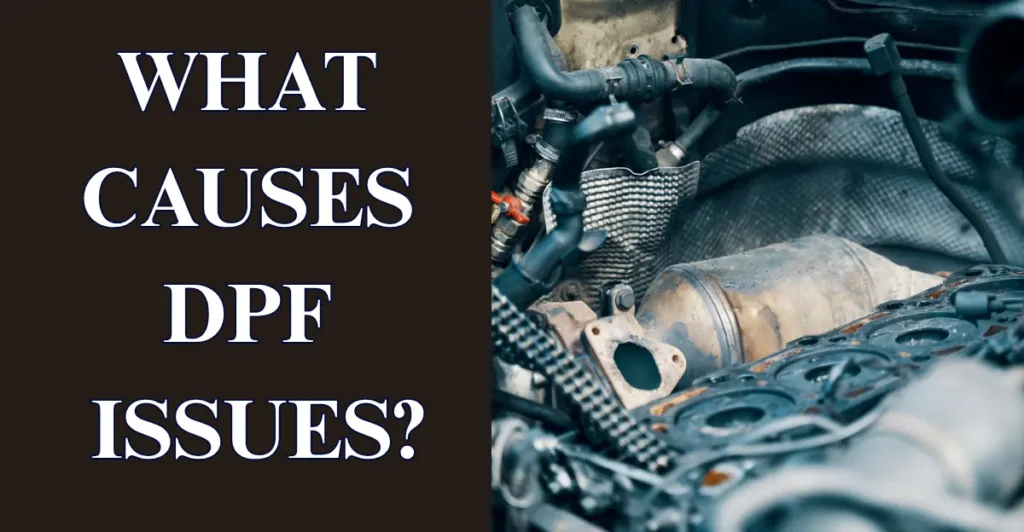
DPF issues often start when the engine is not running correctly or when vehicles are used mainly for short journeys, which don’t allow the system to get hot enough to burn off the soot. This problem can be caused by driving habits where revs rarely exceed 2,500rpm for about 30 minutes, preventing the filter from working as intended.
The issue may first show as a warning light on the dashboard, a reduced performance, or a noticeable decrease in fuel economy. If you continue driving with these signs, the DPF might stop working altogether, leading to poor performance and costly repairs that could have been avoided. Long driving sessions at higher revs give the car enough time to get sufficiently hot, which is usual for the self-cleaning process most vehicles are designed for.
From my own experience in the workshop, I’ve seen many cars come in where owners don’t realise the cause was simply not giving their DPF the time to regenerate. In many cases, just one proper high-speed run after build-up was detected restored the performance and avoided expensive replacements.
How to Know if Your DPF is Blocked
The tell-tale signs of a blocked DPF often include a warning light on the dashboard, a reduced power issue, or seeing dark smoke out of the exhaust when accelerating. You might also notice the engine struggling to respond to the accelerator, or revs that do not rise plenty from normal even when you press harder.
In some cases, the symptoms are similar to other faults in the system, making it important to have a professional mechanic diagnose the blockage. Taking your car in when these issues first appear can prevent more damage, and we would always recommend acting early rather than waiting for the issue to worsen.
From my own experience, I have had customers arrive seeing the warning light for weeks but ignoring it, only to find the blockage so severe that a replacement was needed. In contrast, taking action immediately after the first warning often meant a simple clean-up and getting the car back to full power within hours.
What is DPF Regeneration?
DPF regeneration is the term professionals use for the cleaning process that happens automatically when the engine in your car reaches a certain temperature and speed. During this stage, soot particles trapped in the filter are slowly burnt out, usually while driving on a motorway or another long route, rather than through ordinary short trips.
This process is referred to as passive regeneration and is used to keep the DPF free from excessive build-up without the driver having to do anything special. If the car is not driven under these conditions, the regeneration may normally fail to complete, which can lead to problems from the DPF becoming blocked.
From my own experience, I have seen many cases where drivers neither understood when nor how regeneration happens, which meant they unintentionally prevented it by avoiding long motorway runs. Once they followed my advice to drive at the right speed for an extended period, the soot burn-off completed and the DPF performance returned to normal without the need for costly intervention.
What is ‘Active’ DPF Regeneration?
Active DPF regeneration is a process designed by manufacturers to solve a blocked filter problem when the engine hasn’t reached the temperature needed for normal cleaning. The system uses software to trigger the regeneration cycle depending on monitoring of your DPF, and it can start even during town trips if the issue is detected.
Extra fuel is injected into the exhaust to raise temperature, and fans may be turned on for cooling after the process is finished. This method can complete in as little as 10 to 20 minutes or around 300 miles depending on how the car is driven, and it will return the filter to full function if done right.
You might notice a change in sound, a smell from the exhaust, or increased idle revs during the cycle, all of which are normal.
From my own experience, I have seen many cars becoming free of clogged particulate build-up simply by allowing this active regeneration to finish without switching the engine off halfway. In the workshop, we monitor the process closely, and in most cases, this kind of regeneration is a quick and fool-proof solution that prevents costly replacements and restores your car’s power in one cycle.
What is ‘Passive’ DPF Regeneration?
Passive DPF regeneration is the process that happens naturally when the car’s exhaust reaches high enough heat during long motorway driving at steady speeds. Sensors in the ECU detect the right conditions wherein the filter can burn away clogged soot from everyday emissions without any extra steps.
This method is unlike active regeneration because it is not triggered by the system but instead occurs during day-to-day use when the vehicle is maintained and driven correctly. Spending a period of time at high speeds keeps the DPF clear, helping to prevent it becoming blocked and avoiding a lot of active intervention.
From my own experience, I have seen filters that stayed clean for years simply because the owners spent regular time on motorway routes. The steady heat build-up was enough to clear soot without the need for manual cleaning, proving that passive regeneration works best when driving habits allow it to function as designed.
How to Unblock a DPF
If your car’s DPF is blocked and a warning throws up on the dashboard, there are a few ways to rectify the problem before it worsens. Any signs that your DPF is struggling should be acted on quickly, as this can prevent more serious damage to the system.
From my experience, addressing the issue early has saved many owners costly repairs by catching the fault if it appeared only once or twice rather than letting it develop into a full clog.
Active or Passive Regeneration
Active and passive regeneration are the main methods your car uses to clear soot. Passive regeneration normally occurs whenever you are driving at sufficient speeds, such as on a motorway, and it takes place without the driver having to do anything. Active regeneration, however, is triggered when soot build-up exceeds safe limits, injecting fuel while driving to raise exhaust temperatures.
In my experience, maintaining 300 to 2,500rpm for at least a few minutes every trip can help these processes work effectively, ensuring the filter stays clean without intervention.
Forced Regeneration
When a DPF becomes so blocked that normal regeneration methods fail, a forced regeneration process must be carried out using diagnostic tools by a professional. This process should only be undertaken when the car is close to becoming inoperable, as it pushes the system to its limits to burn away stubborn soot.
In my workshop, I have performed this procedure for drivers who ignored early warnings, and while it restored their DPF, it was a clear reminder that preventative action is always the better option.
Use a DPF Cleaner or Get a Professional DPF Clean
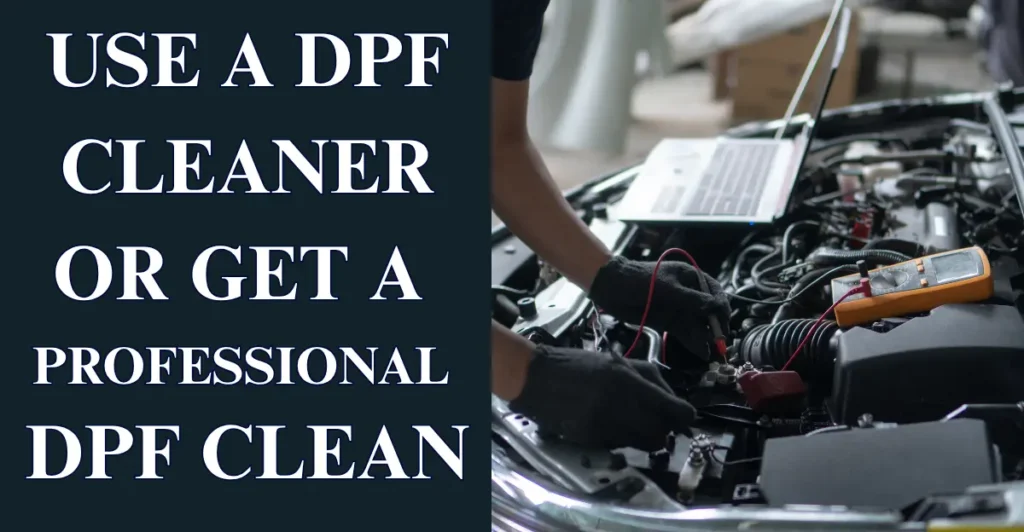
Using a high-quality DPF cleaner can be an efficient way to purge soot from the filter before a major blockage occurs. The market offers products designed to work at the temperature ranges needed for passive regeneration, lowering the build-up that would otherwise require more aggressive intervention.
Simply following the instructions on the bottle ensures the cleaner burns deposits effectively, giving peace of mind while helping your vehicle stay healthy. For stubborn cases, a professional clean is important, as it requires special equipment to quickly restore full function, often more efficient than home methods and ensuring the filter is thoroughly cleaned.
From my experience, some drivers wait until the soot level is dangerously high, but catching it early with a cleaner can save both time and money. I have also seen cases where a professional clean was the only option, and in those moments, the precision and skill of an expert make all the difference.
How to Avoid DPF Issues

To avoid DPF issues, it is important to look at the different things that can affect the long-term health of your car. Plenty of problems are caused by poor driving habits or neglect, meaning they can be prevented after just a few adjustments. There are practices you’d want to adopt if you care about your DPF, as small actions now can save you costly repairs later.
From my experience, many drivers underestimate how small preventive steps can keep their DPF working efficiently. I have personally advised motorists to follow these basics and seen them save hundreds in repair bills.
Avoid idling
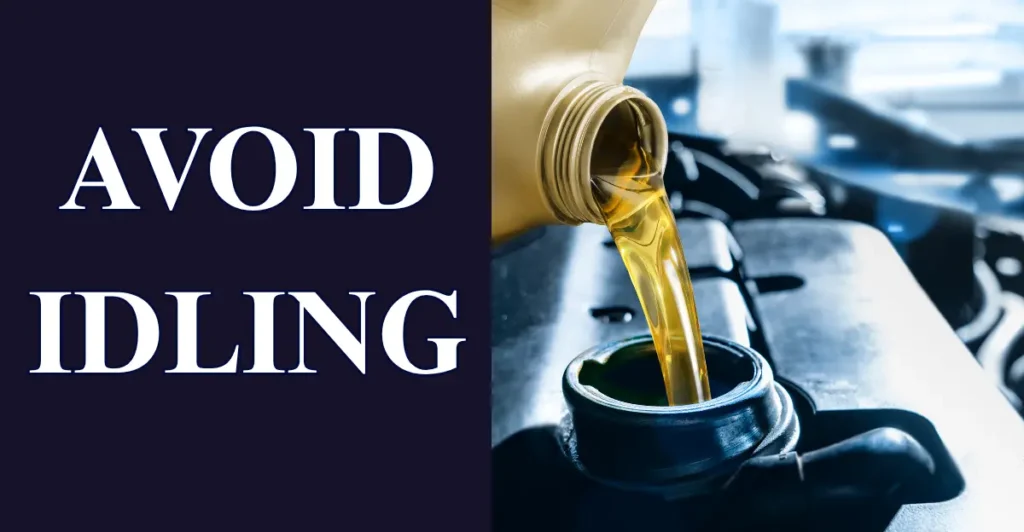
One major tip is to avoid idling for extended periods, as it doesn’t give the DPF a chance to burn off particulates. Over time, idling can cause them to accumulate because the system isn’t operating at the temperatures needed for cleaning.
In my workshop, I’ve had cars come in with blocked filters simply because the owners spent too much time in traffic with the engine running. Reducing idling made a big difference within weeks.
Carry out regular oil checks
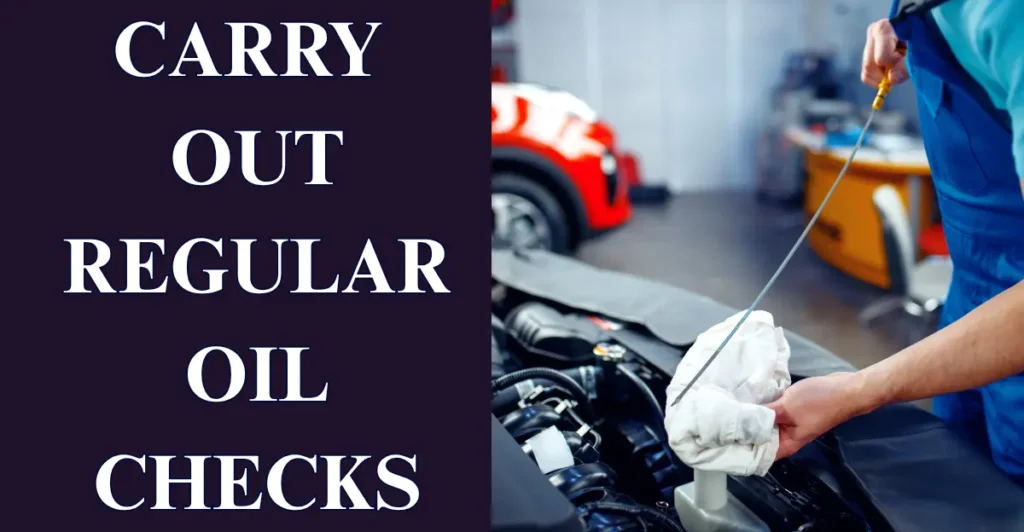
It’s also wise to carry out regular oil checks, since old or dirty oil can cause ash build-up in the DPF, making it less effective. Checking the oil regularly helps maintain engine health and alleviate unnecessary strain on the system due to high amounts of contaminants.
From my professional view, oil neglect is a silent DPF killer. I’ve seen vehicles regain normal filter performance just by switching to cleaner, high-quality oil and checking levels more often.
Drive longer distances

Finally, drive longer distances whenever possible. The regeneration process requires sustained driving to allow heat to build up, clearing particulates from the DPF. Short trips often prevent this cycle from starting, so incorporating the occasional long drive is essential.
I remember a delivery driver who had constant regeneration failures because his route was too short. Adding a weekend motorway run fixed the problem entirely.
Avoid switching the engine off during regeneration
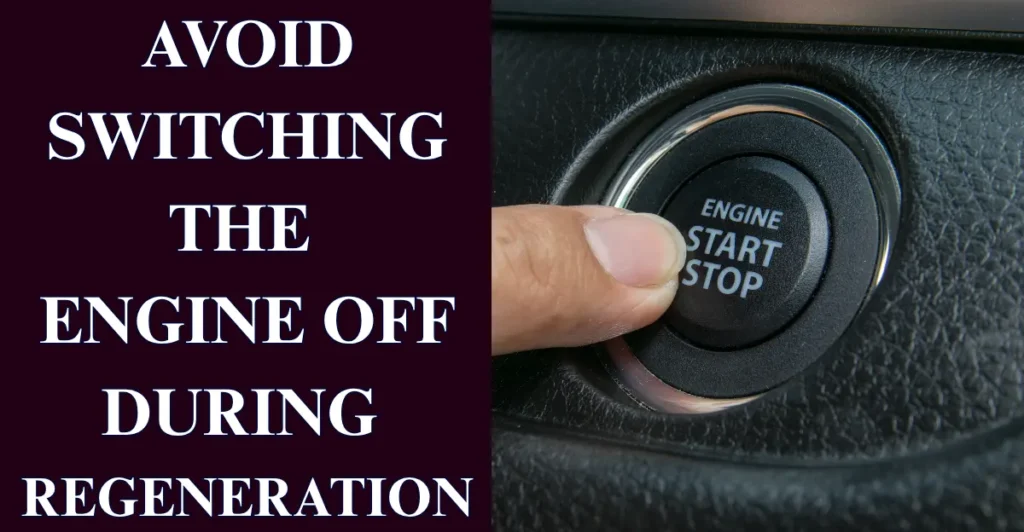
When regeneration is in progress, you must allow the process to be fully completed before switching the engine off. If you notice a change in tone or speed, it’s a sign the regeneration cycle is active. Most drivers don’t get that interrupting it can cause the DPF to clog more quickly, so you should keep the car running until it’s finished. By letting the process run out, you avoid unnecessary damage and ensure the system works as designed.
From my experience, I’ve had vehicles come in where owners repeatedly shut the engine off mid-regeneration, and the DPF quickly became blocked. Once I explained and demonstrated the importance of letting the cycle finish, the problem never returned.
Use a DPF cleaner
A good cleaner can help the DPF perform more efficient regeneration, especially at lower temperature. As mentioned above, these products can burn off particulates and reduce issues that might otherwise lead to costly repairs. Using one by instruction ensures you get the best results, as the formula works to keep the filter clean and lowering the chance of future problems.
In my own work, I’ve tested many DPF cleaners, and the right one truly makes a difference. Customers who used them regularly saw fewer warning lights and longer filter life.
Get regular services

Regular services can help identify potential problems with the DPF before they become serious. Skilled technicians can spot early issues and address them quickly, ensuring you get the most life out of your system. Keeping up with regular maintenance is one of the simplest ways to prevent major failures.
I’ve serviced many cars where routine checks caught early ash buildup or incomplete regenerations. The owners avoided expensive replacements simply because they stayed consistent with maintenance.
Conclusion
Maintaining your Diesel Particulate Filter through consistent cleaning, proper regeneration, and regular servicing ensures peak vehicle performance and extended engine life. A well-cared-for DPF reduces emissions, prevents costly breakdowns, and supports long-term reliability. Take action now to keep your car running cleaner, smoother, and more efficiently for years to come.
FAQS
What to do if a diesel particulate filter is clogged?
Regeneration is required. If you have a highway nearby, drive the vehicle above 2000 rpm for 30 minutes in low gear, and the DPF should clear. Alternatively, you can do a manual regeneration using the option given in the manual.