Identify if your diesel car is fitted with a diesel particulate filter (DPF) and understand why this vital piece of kit is key to your vehicle’s performance. A well-maintained diesel particulate filter reduces emissions and avoids costly issues. Take a closer look today to keep your vehicle efficient, reliable, and road-ready.
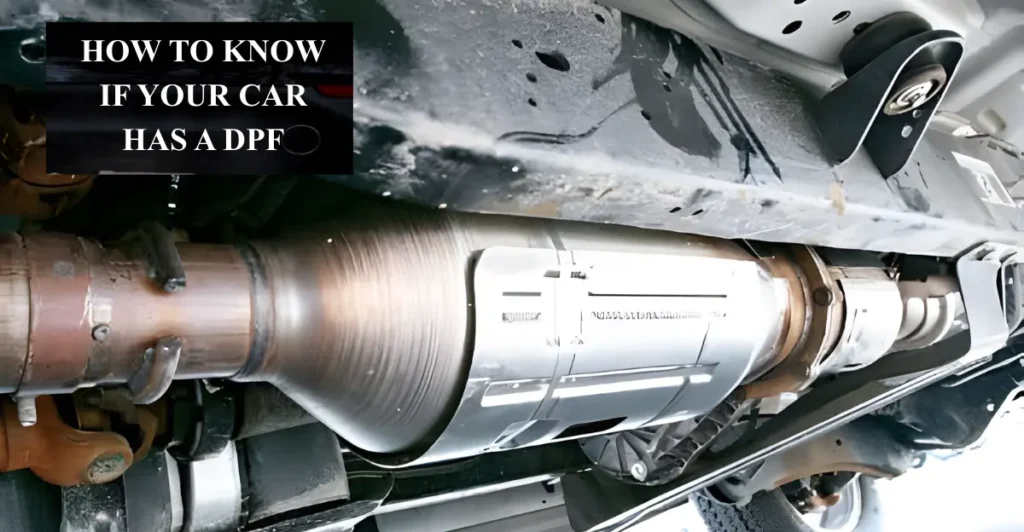
Table of Contents
Why do cars have a diesel particulate filter?
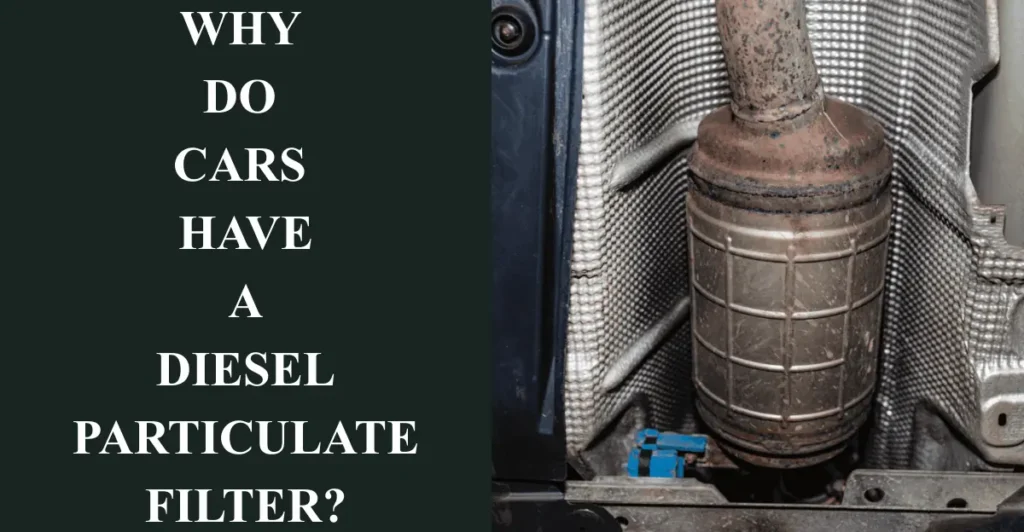
DPFs are an essential part of the exhaust system in modern diesel cars, designed to capture and store exhaust soot to reduce harmful emissions. Without them, pollution levels would be significantly higher, which is why legislation since 2009 made them a mandatory addition to all new diesel vehicles to help lower car CO2 emissions.
Over time, these filters can become clogged, making clearing them through a regeneration process important. Frequent short journeys can prevent the system from fully burn off built-up soot, sometimes triggering the DPF warning light and affecting how the system can work. Keeping in mind the environmental and legal benefits, regular maintenance and smart driving habits are essential.
From my own hands-on experience, I’ve worked on countless diesel vehicles where the DPF was struggling due to frequent short journeys and lack of proper regeneration. I’ve seen how a simple routine of occasional highway drives can clear soot buildup and restore performance. It’s always satisfying to watch the DPF warning light disappear after applying the right fix and knowing the car is back to running clean and efficiently.
Which cars have a diesel particulate filter?
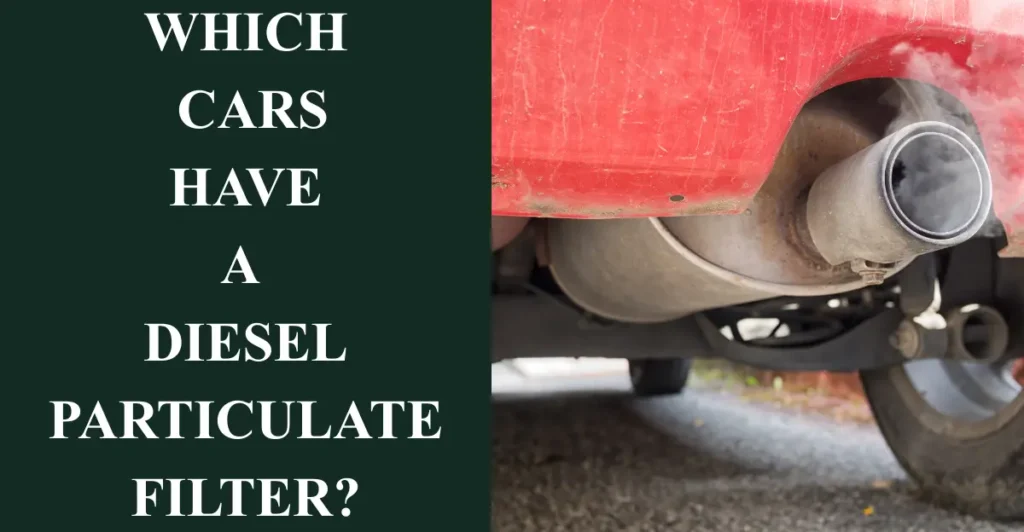
Most modern diesel cars come with DPFs as part of the exhaust system, designed to capture and store exhaust soot to reduce harmful emissions. Since legislation in 2009, they have been a mandatory addition in all new diesel vehicles to help lower car CO2 emissions and ensure cleaner air.
A diesel car used mainly for short journeys has a higher chance of the DPF becoming clogged, so clearing it through regeneration is important to keep it working properly. Allowing the engine to burn off soot during longer drives is one of the simplest ways to prevent the DPF warning light from appearing, keeping in mind both environmental and performance benefits.
From my own workshop experience, I have seen countless diesel vehicles suffer avoidable problems simply because owners rarely took longer drives. I have helped customers restore efficiency by scheduling periodic motorway runs, watching the soot clear and the DPF warning light vanish, and it is a small habit that makes a big difference.
Where to find the DPF on your car
If your car was built after 2009, it is likely fitted with a DPF to meet the Euro 5 standard that applies to most diesel cars. Some older models manufactured before these regulations may also have one, depending on the brand’s compliance approach.
Checking manufacturer stickers inside the driver’s door or under the bonnet can reveal useful details such as fuel type and minimum tyre pressure, while your vehicle’s handbook often specifies whether a DPF is installed.
From my own inspections over the years, I have learned that spotting a DPF quickly becomes second nature. I have found them tucked neatly within the exhaust layout on countless diesel cars, and by combining checks of official labels with a visual inspection, I can confirm its presence in minutes.
Removing the DPF
It is illegal to remove the DPF or diesel particulate filter from your car, and doing so can result in a fine of £1,000 for a light goods vehicle or £2,500 for a passenger vehicle. Since 2014, the MOT test has included checks to ensure that every modern diesel car still has its DPF in place.
Any vehicle found without one will fail the MOT, and replacing with new DPFs can cost anywhere from £1,000-£3,500, which makes proper maintenance far more economical than removal.
From my professional experience, I have seen drivers tempted to bypass the system to avoid the cost of repairs, but the risks far outweigh the savings. I have worked on cases where a vehicle failed its MOT after a DPF removal, leaving the owner facing hefty fines and the expense of installing a new filter. In my view, keeping the DPF in your car is always the smarter choice for both compliance and performance.
Conclusion
Maintaining your diesel particulate filter is vital for your car’s performance, compliance, and environmental responsibility. Consistent care helps prevent expensive repairs, MOT failure, and unnecessary fines. Act now to keep your diesel car efficient, reliable, and road legal.
How do I check if I have DPF?
You will usually find the DPF underneath your car, fitted to the exhaust system near the engine.
Do all cars have a DPF?
If you own a diesel vehicle, then odds are you’ve heard about the Diesel Particulate Filter (DPF). Since 2009, all diesel engines require one of these filters to ensure that they are compliant with the Euro 5 standards for emissions.