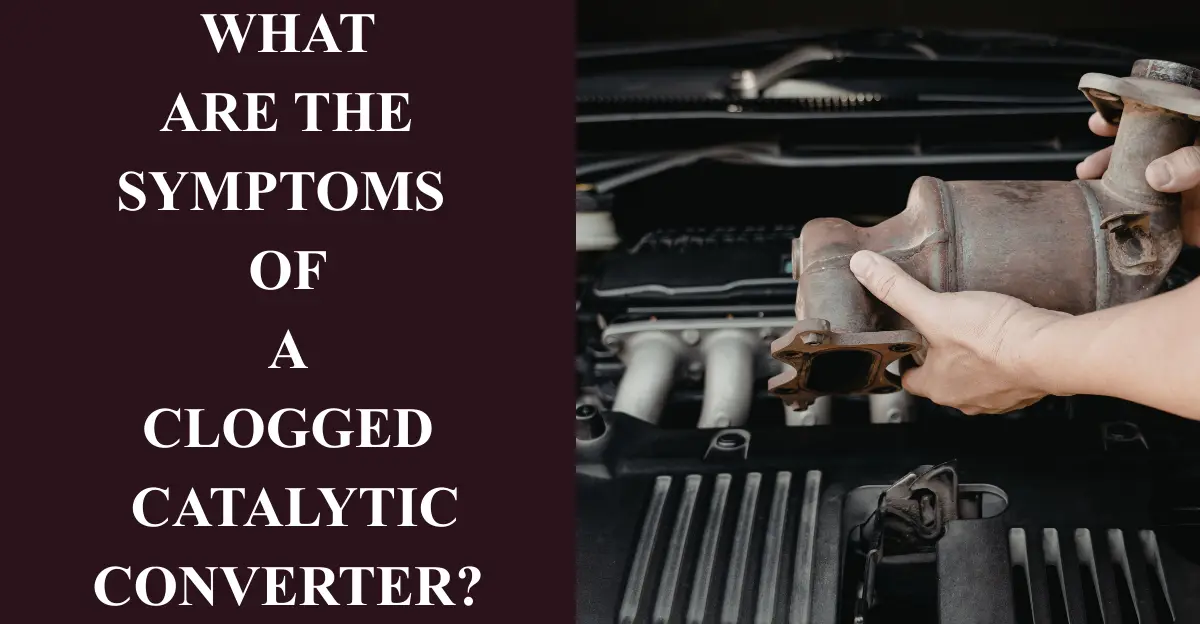
A clogged catalytic converter can severely impact your car emissions system by stopping it from converting harmful particles into safer gases like water vapour. Recognizing early symptoms and faults helps prevent costly problems while ensuring the component continues to work effectively. Follow this expert guide to understand, navigate, and resolve the issue while protecting your vehicle’s performance and longevity.
Table of Contents
How do catalytic converters work?
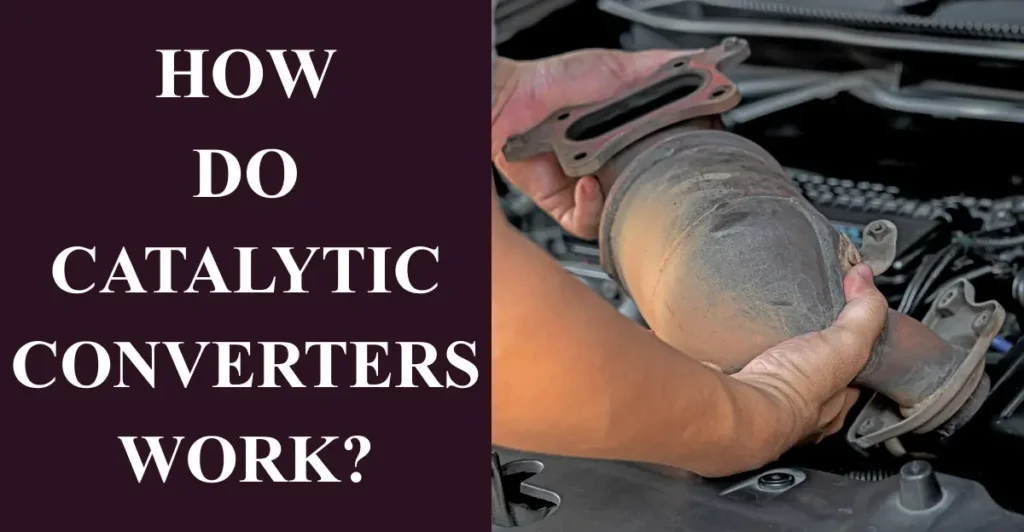
Catalytic converters are a vital part of the exhaust system, designed to transform harmful gases like carbon monoxide and hydrocarbons into carbon dioxide and water before they exit through the tailpipe. Inside the converter, a network of ceramic pores is coated with precious metals such as palladium, rhodium, and platinum, forming a barrier that interacts with hot engine emissions.
As it heats up, the chemical structure of harmful particles in the exhaust gases is altered, breaking down nitrogen and oxygen bonds to produce safer compounds and reduce hazardous fumes from escaping. A diagram or demonstration would show a substantial number of these transformations happening in real time, ensuring the unit remains durable with minimal maintenance when supported by checks and servicing at regular intervals.
From my experience, when these processes slow due to neglect or buildup, even the best converters struggle to maintain efficiency, and ignoring these warning signs can quickly lead to a clogged system that requires costly intervention.
What are the symptoms of a clogged catalytic converter?
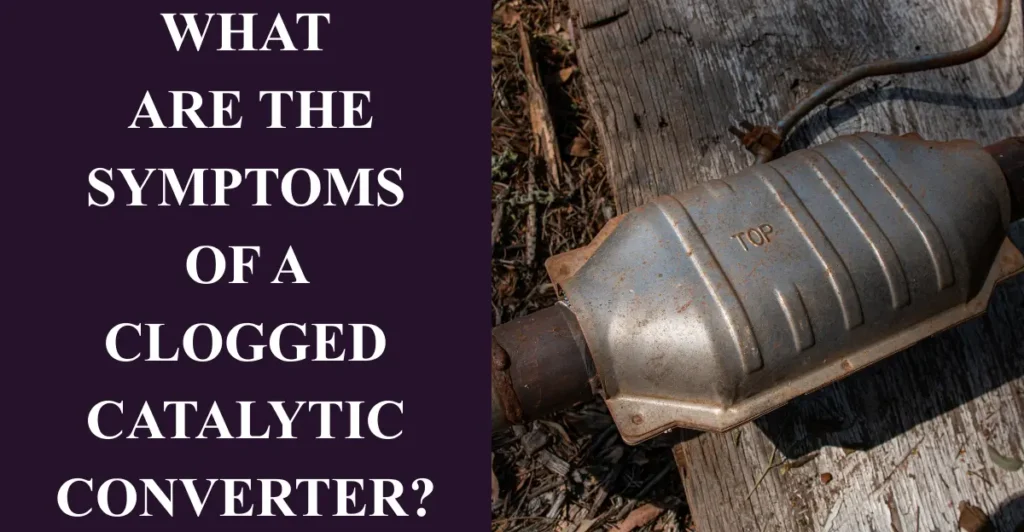
Oxygen Sensor readings can often be the first hint that a catalytic converter in an automobile is not functioning as it should, as this essential part contains precious metals that help reduce harmful emissions and is built to be durable when maintained properly. Still, problems arise when symptoms of a clogged or damaged converter begin to show, and addressing the issue early can save a car owner from expensive repairs.
Sluggish Engine Performance and Poor Acceleration
In cases of sluggish engine performance and poor acceleration, the car may stop performing efficiently, with the engine running rough, feeling choked at idle, or even stalling when the accelerator pedal does not respond well.
Heat from Under the Car
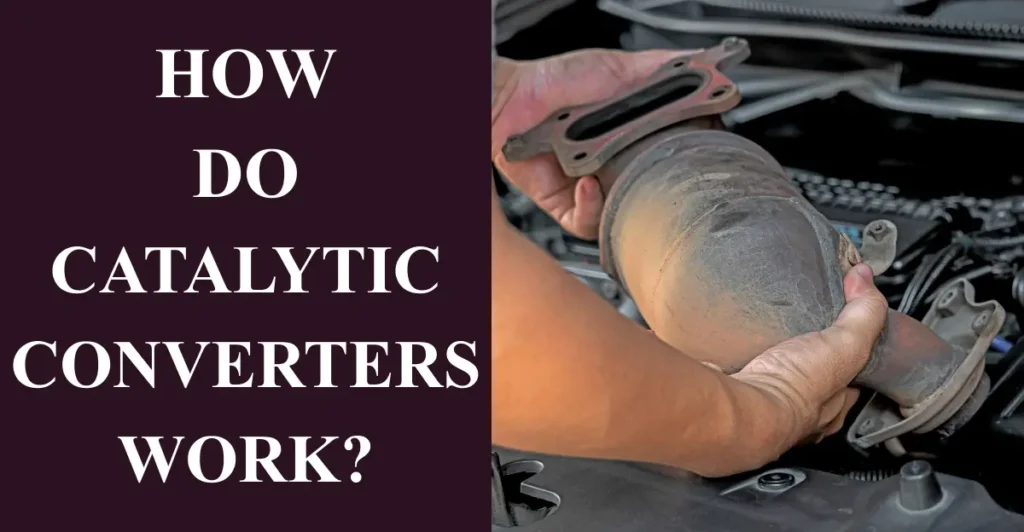
Another common symptom is heat radiating from under the car when the converter becomes clogged, as hot exhaust fumes cannot pass easily through the pores of the unit, causing heat outside and heat inside the system.
Rotten Egg Smell
Drivers may also notice a rotten egg smell, which indicates a problem in the system where sulphur particles are not properly dispersed, leaving an unpleasant smell while driving.
Dark Exhaust Fumes
In more severe cases, dark exhaust fumes become an indicator of converter issues, showing carbon buildup and harmful particles being released as dark smoke, which increases repair costs, affects emissions, and can lead to MOT failure.
From my experience, I have seen how these signs, especially a mix of sluggish engine performance, unusual heat, and dark exhaust fumes, quickly escalate if ignored, often leading to complete converter failure and far more costly interventions.
What problems can a blocked catalytic converter cause?
When symptoms of a clogged catalytic converter are ignored, the issues often escalate quickly, as blocked converters can cause severe heat damage to the unit. Trapped fumes and high temperatures may lead to damage of the coating inside the catalytic pores, preventing harmful particles from being properly treated and transformed.
With heat continuing to build, the material inside can melt, rendering the converter ineffective and significantly increasing the repair bill. While some drivers attempt to clean or patch the problem, in most cases replacement becomes necessary to avoid the risks of a failing catalytic converter. These failures can affect the vehicle’s ECU, oxygen sensor, and cause serious engine problems, while allowing poisonous fumes to escape through the exhaust, damaging other components and reducing both efficiency and performance.
From my experience, once heat damage starts appearing inside a converter, it rarely recovers without proper replacement, and trying temporary fixes usually leads to more costly repairs down the line.
Can you clean a catalytic converter?
A catalytic converter can sometimes be maintained through an approved process of cleaning, especially when carbon particles from fuel have burned and partially blocked the exhaust. Using fuel additives for petrol or diesel engines, following the manufacturer’s approved service schedule, and combining routine maintenance like oil change, air filter change, and coolant checks can help clear out minor buildup.
These practices also safeguard the engine efficiency and ensure the job is done correctly, prolonging the life of the converter and preventing small issues from escalating into costly repairs.
From my experience, I have found that while these cleaning methods can temporarily restore performance, repeated neglect often requires full replacement, and consistent adherence to approved maintenance schedules is the most reliable way to protect the catalytic converter over time.
Conclusion
A clogged catalytic converter can cause serious engine problems, reduced performance, and increased harmful emissions. Detecting early symptoms and performing proper maintenance keeps the converter efficient and durable. Regular servicing and approved cleaning methods protect your vehicle and maintain optimal engine efficiency.
FAQS
How to check if a catalytic converter is clogged?
As mentioned, common symptoms of a clogged catalytic converter include an illuminated check engine light, trouble starting the car, poor acceleration, a smell of sulfur or rotten eggs, engine misfires, and poor fuel economy.