Rising petrol and diesel prices are increasing fuel costs and impacting your weekly expenditure, making fuel monitoring and economical driving essential. Tracking pump prices, optimizing mileage, and adopting budget-friendly habits help maximize savings. Implement these fuel-saving strategies today to take control of financial planning and reduce transportation expenses effectively.
Table of Contents
Reduce Weight
Reducing weight in your vehicle plays a crucial role in improving fuel efficiency and lowering fuel consumption. Clearing out clutter from the boot, removing junk, unnecessary cargo, or excess baggage can optimize MPG and enhance mileage, resulting in significant savings on fuel expenditure.
Focusing on essentials, organizing storage, and practicing minimalism while driving ensures smoother travel, better performance, and more efficient energy use. Efficient trip planning, cargo management, and maintaining a minimal load support long-term economical driving and fuel optimization.
From my personal experience, consistently ditching unnecessary items and keeping only essential items in the vehicle significantly improved vehicle performance and reduced the burden while driving. This approach lowered transportation costs, enhanced journey efficiency, and reinforced strong fuel-saving habits, making long trips much more manageable and cost-effective.
Try ‘Hypermiling’
Hypermiling is a driving style designed to maximise MPG, improve fuel efficiency, and reduce overall fuel consumption, especially during times of cost of living pressure or fuel crisis. Practicing smooth driving, anticipating traffic, traffic lights, and obstructions, and minimizing unnecessary start-stop movement ensures efficient travel from A to B while maintaining vehicle performance.
Adopting eco-driving techniques, including gentle acceleration and measured braking, enhances journey efficiency, lowers transport costs, and supports long-term money-saving habits. For optimal results, consistency and commitment to fuel management, driving habits, and trip planning are key for reducing energy expenditure while keeping commute time reasonable.
From my personal experience, integrating hypermiling techniques into my daily commute improved vehicle efficiency, reduced fuel expenditure, and strengthened awareness of driving efficiency. Observing forums and advice from sources like the BBC Mornings programme reinforced practical tips, making economical driving a sustainable habit that maximizes savings without compromising performance or journey comfort.
Top Up Your Tank a Little and Often
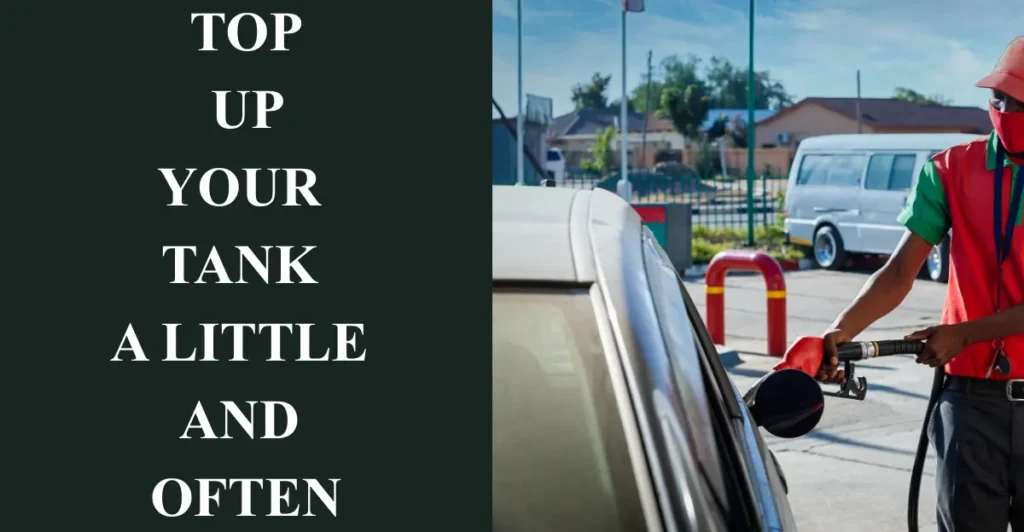
Keeping your fuel tank optimally filled by topping up a little and often helps maintain vehicle efficiency and improve fuel economy. Frequent refueling at petrol or diesel pumps, even with small amounts like £10, reduces the weight of excess fuel and lowers fuel consumption.
Enhancing MPG on every journey from A to B, choosing nearby fuel stations, managing refuel frequency, and avoiding carrying unnecessary load not only boosts transport efficiency but also helps reduce waste, optimize energy usage, and support economical driving for long-term savings.
From my personal experience, topping up regularly instead of filling the tank to full has noticeably improved my car’s performance and minimized fuel expenditure. Planning trips with careful fuel management and spreading refueling stops strategically has also strengthened my money-saving habits while ensuring smoother and more efficient travel.
Reduce Your Speed
Maintaining a controlled speed and respecting speed limits on motorways and during everyday driving significantly improves fuel efficiency and reduces fuel consumption. High velocity and aggressive acceleration or frequent braking increase emissions, reduce vehicle efficiency, and raise transportation costs.
Mindful driving at a moderate pace, implementing speed control, observing UK government recommendations, and keeping within 60 mph or 70 mph zones during trips or the commute supports both safety and economical driving, ensuring smoother journeys and optimized fuel management.
From my personal experience, reducing speed consistently on long motorway trips has noticeably decreased fuel expenditure while improving vehicle performance. Applying speed monitoring habits and planning trip timing to avoid heavy traffic has strengthened my money-saving routines and enhanced overall travel efficiency without sacrificing journey time.
Understand Your Car’s MPG Figures
Understanding your car’s MPG figures is crucial for improving fuel economy and reducing fuel expenditure on daily driving. Knowing the miles per gallon your vehicle achieves, comparing it with manufacturers’ quoted MPG, and monitoring fuel consumption allows better fuel management and trip planning.
Adjusting driving habits, tracking efficiency, analyzing performance metrics, and optimizing tank refueling schedules support long-term economical driving, enhanced vehicle performance, and measurable savings on transportation and travel costs.
From my personal experience, regularly calculating and comparing my car’s MPG with the quoted figures has highlighted opportunities for efficiency improvement and fuel saving. Adjusting driving habits and planning journeys based on mileage efficiency has significantly improved vehicle efficiency, reduced fuel expenditure, and made economical travel a consistent and practical habit.
Clean Your Car’s Fuel System
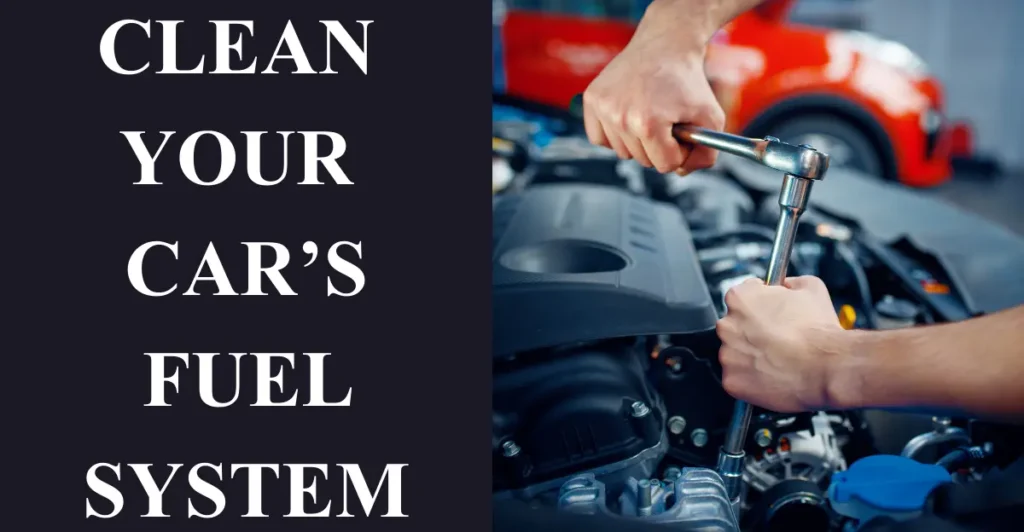
Regular cleaning and maintenance of your car’s fuel system enhances engine performance, fuel economy, and overall vehicle efficiency. Removing dirt, deposits, and build-up restores MPG, optimizes fuel efficiency, and reduces unnecessary fuel expenditure while supporting economical driving. Proper fuel system cleaning ensures minimal emissions, improved operational efficiency, and smoother journeys, while strategic maintenance contributes to long-term money-saving and better trip efficiency.
From my personal experience, incorporating a routine fuel system cleaning guide and performing timely engine maintenance has noticeably improved vehicle performance and optimized fuel management. Monitoring performance metrics, keeping up with upkeep, and focusing on travel efficiency has strengthened my money-saving habits and made fuel optimization a consistent practice for all transportation needs.
Start Slow
Starting your car or vehicle gently during the first five miles allows the engine to reach optimal running temperature, reducing unnecessary fuel consumption and avoiding hard acceleration that wastes fuel.
Gentle start-stop driving and moderate acceleration enhance fuel efficiency, improve mileage, and lower fuel expenditure, while protecting engine performance and reducing maintenance costs. Focusing on careful driving habits, economical driving, and maintaining consistent energy efficiency ensures smoother journeys, better vehicle efficiency, and measurable savings on every trip or transportation activity.
From my personal experience, taking the time to start slow at the beginning of every trip has noticeably reduced engine strain and improved vehicle performance. This practice, combined with attentive fuel management and strategic trip planning, has strengthened my money-saving routines, optimized driving efficiency, and made fuel saving a reliable part of every journey.
Monitor Tyre Pressures Weekly
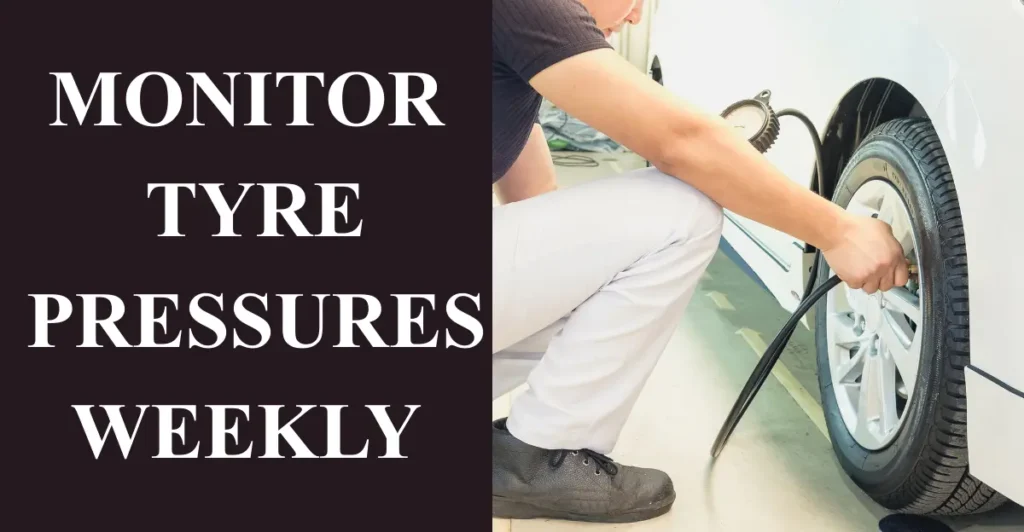
Regularly monitoring your tyre or tire pressure at the correct PSI improves fuel efficiency and reduces fuel consumption while enhancing overall vehicle performance. Maintaining proper inflation, considering vehicle weight, cargo, and passengers, lowers rolling resistance and supports economical driving.
Smoother journeys and optimized travel efficiency result from performing tyre checks at weekly intervals, making timely adjustments, and practicing consistent tyre maintenance. This ensures better vehicle optimization, improves operational efficiency, and contributes to money-saving on every trip or transportation activity.
From my personal experience, dedicating a few minutes each week to tyre monitoring has noticeably improved fuel efficiency and vehicle performance. Regular pressure adjustments and awareness of load carrying capacity have reduced fuel expenditure, strengthened my money-saving habits, and enhanced overall journey planning and driving efficiency.
Find the Cheapest Fuel Prices in Your Area
Monitoring fuel prices helps identify the cheapest fuel options for petrol and diesel across your area, whether in rural areas, cities, or urban areas. Tracking supply and demand, and comparing per-litre price at different stations gives drivers a clear picture of competition among petrol stations and diesel stations.
This information allows drivers to optimize fuel management, reduce fuel expenditure, and enhance economical driving. Strategic price monitoring, trip planning, and staying cost-conscious can lead to significant savings while improving travel efficiency, vehicle efficiency, and overall cost management.
From my personal experience, regularly checking local fuel prices has helped me consistently find the lowest cost options, plan my refueling stops efficiently, and reduce unnecessary fuel expenditure. Comparing station prices and being mindful of supply and demand has strengthened my money-saving habits, optimized vehicle management, and made every journey more energy-efficient and budget-friendly.
Conclusion
Maximizing fuel efficiency, maintaining your vehicle, and practicing smart fuel management dramatically reduce fuel expenditure while improving vehicle performance. Applying these money-saving tips consistently enhances travel efficiency and delivers long-term savings. Begin implementing these fuel optimization strategies today to take full control of your transportation costs and enjoy more economical journeys.
FAQS
What is the most effective way to save fuel?
Fuel-efficient driving techniques
Accelerate gently. The harder you accelerate the more fuel you use.
Maintain a steady speed. When your speed dips and bursts, you use more fuel, and spend more money, than you need to.
Anticipate traffic.
Avoid high speeds.
Coast to decelerate.
More ways to use less fuel.
Challenge yourself.