If you want your car to stay powerful and dependable, understanding how a turbocharged engine and its turbos function is essential because these complex systems need special treatment to keep performing at their best through regular maintenance, timely changes, and the right driving style.
This guide shares six proven ways to protect your car’s performance while helping you avoid nasty repair bills, reduce harmful wear and tear, and apply smart maintenance advice and practical driving tips. From my hands-on experience working with turbo setups, I have learned what is truly needed to keep a turbo healthy for the long run, and applying these habits early makes a real difference in engine life and reliability.
Table of Contents
1. Regular Oil Maintenance
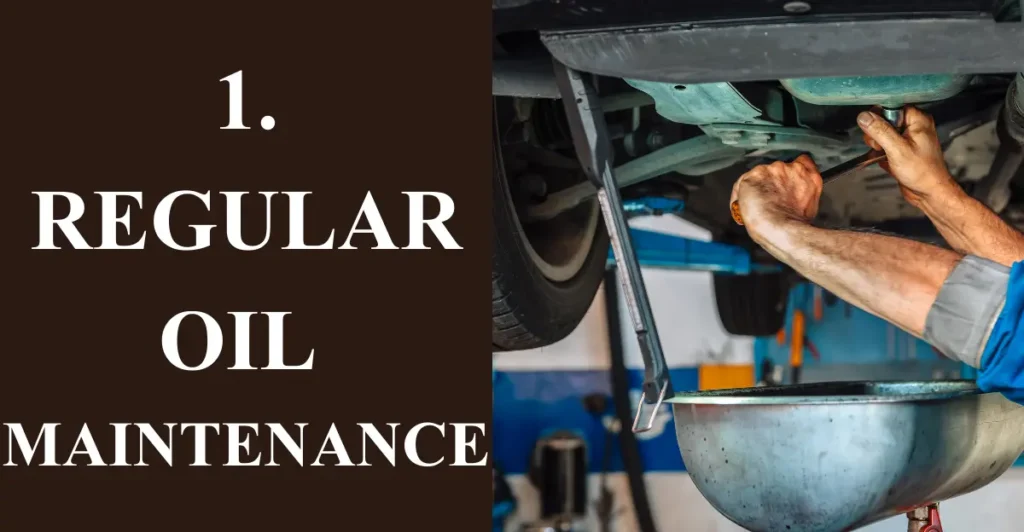
Maintaining regular maintenance of the car’s turbocharged engine is crucial because turbos rely on clean, high-quality oil to reduce harmful wear and tear that can lead to nasty repair bills. Unlike naturally-aspirated engines, turbo systems are more complex and require special treatment.
This includes timely changes of engine oil, using manufacturer-recommended grades, and monitoring performing levels during driving style adjustments. Following these maintenance advice and driving tips ensures your car stays at its best while extending turbo life.
I have personally seen turbo engines suffer severe damage from skipped oil changes, even on relatively new cars. Implementing a strict oil maintenance schedule in my own turbocharged vehicles consistently kept performance high and prevented expensive repairs. Over the years, this practice has proven to be the single most effective way to protect turbos and maintain engine health.
2. Warm Up the Engine
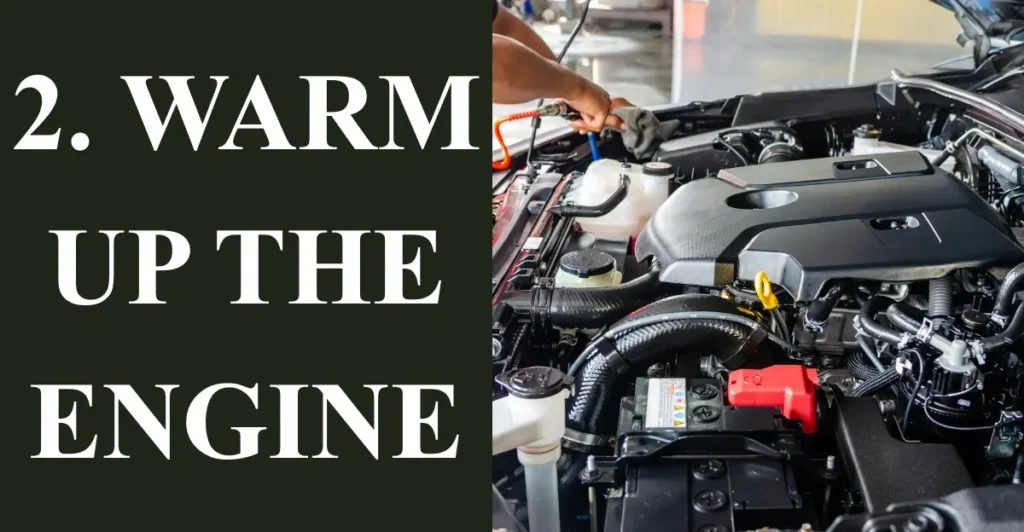
Giving your engine time to warm up before driving aggressively is essential because when cold, oil thickens and cannot flow freely around the bay. This means the turbo and other moving parts experience increased risk of wear and tear.
Taking a few minutes behind the wheel to ensure the car’s engine is properly warmed allows thinned oil to move effectively, circulate, and maintain correct pressure, keeping the system properly lubricating and preventing problems that could arise from ineffective oil flow.
Adjust your warm-up, driving style, and avoid aggressive use of the accelerator pedal until the engine reaches optimum temperature, limiting strain on the turbo and car components, and preventing unnecessary wear during the first few minutes of driving.
In my experience, taking the extra two to three minutes for a proper engine warm-up drastically reduced early turbo wear in my own vehicles. I noticed that skipping this step often led to sluggish oil flow and higher stress on turbo components, especially during cold mornings. Over time, this habit became a key routine for keeping turbos performing at their best and avoiding avoidable repair issues.
3. Don’t Overstep the Limits of the Turbo when Cruising
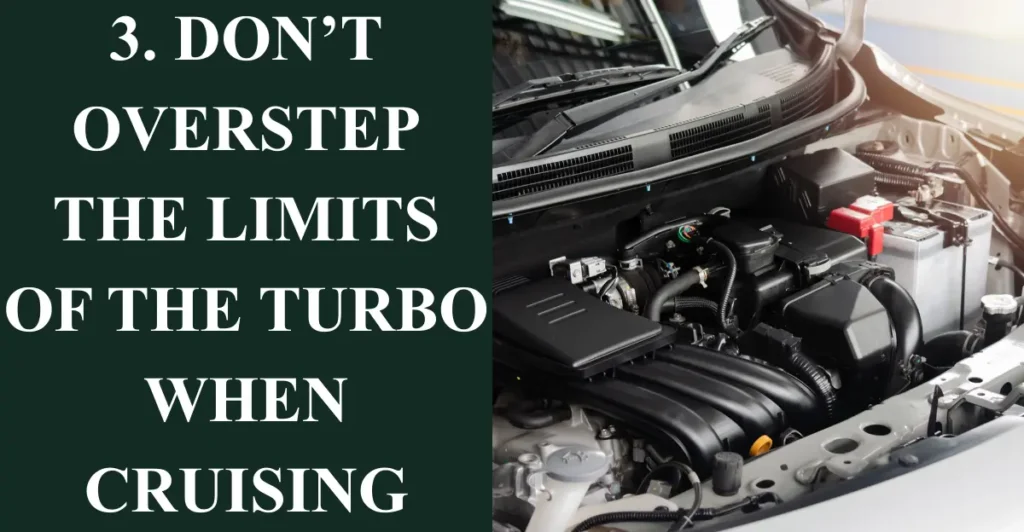
When cruising in your car, it is important to be aware of the limits of your turbo system because overdoing the accelerator with aggressive inputs can put unnecessary stress on the engine and reduce its lifetime.
Modern low-capacity hatchbacks and eco-friendly vehicles are designed to deliver exciting power while spinning freely, but using it too often at high speed can cause costly issues and toll on the system.
During town and motorway driving, jab the pedal gently, ease the power in bouts, and use it sparingly to maintain performance, fuel economy, and ensure the turbo lasts its last designed hours. Regular driving style adjustments help keep the system rigorously stress-tested without unnecessary wear.
From my own experience, driving a turbo hatchback too aggressively on short town trips quickly highlighted the dangers of overusing the turbo. I learned to gently modulate the accelerator, which preserved both the engine and turbo components over months of mixed driving. Maintaining this careful approach allowed me to enjoy the power when needed while avoiding expensive repairs and keeping fuel efficiency optimal.
4. Use Your Gears to Overtake

When overtaking, using the car’s gears strategically is crucial because even the smallest turbo engines built for plenty of power and torque rely on proper downshift and rev management to maintain accelerative performance.
Driving on a long hill, road, or motorway requires accelerating in the fast lane using a lower gear as the safer option, as this combination gives the turbocharger enough boost without pushing it to its limit and causing unnecessary wear and tear. Smooth gears changes not only aid performance but also protect the system during long-term driving, making overtaking efficient while keeping the engine healthy.
From my experience, mastering gear selection for overtaking transformed the way my turbo vehicles performed. Downshifting at the right moment on motorway climbs preserved turbo boost and reduced strain, while careless high-gear overtakes on hills often caused unnecessary rev spikes that the turbo suffered. Applying this practice consistently has kept engines responsive and extended their lifespan without sacrificing power.
5. Let the Engine Cool After Driving
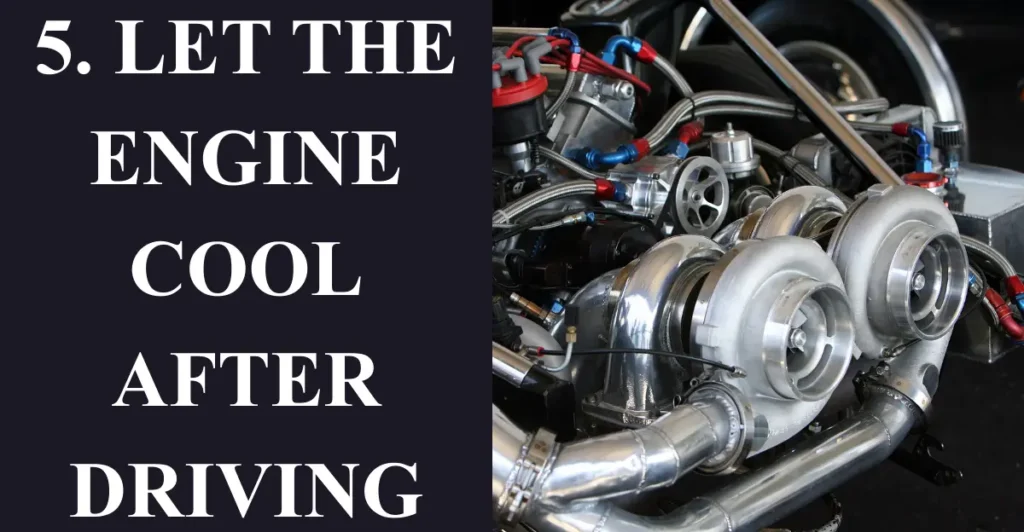
After driving, turbos continue to produce heat even when the engine is turned off, so it’s important not to drive straight away at high load. Allowing residual heat to boil oil in the system can lead to build-up of carbon particles and cause corrosion or premature wear. Developing the habit of leaving the engine running for a couple of minutes at idle lets it cool enough before you switch off, preventing the turbo from cooking internally and ensuring long-term reliability.
From my experience, ignoring this simple cooldown step often resulted in higher oil temperatures and early turbo wear in my own vehicles. Incorporating a short idle period after spirited drives significantly reduced carbon deposits and kept turbo performance consistent over years of use. It became one of the easiest ways to protect the engine without changing driving habits drastically.
6. Don’t Blip the Throttle Before Turning the Engine Off

When parking and turning off the engine, avoid giving the throttle a blip because pressing the accelerator causes the turbocharger’s turbines to keep rotating even after the engine is switched off.
This disrupts the flow of oil that lubricates moving parts, putting unnecessary strain on bearings, increasing friction, and allowing heat build-up to lead to failure in the system.
Simply following the advice from point five of leaving the engine to cool before switching off significantly reduces the risk of long-term damage.
From my personal experience, I’ve seen engines where drivers habitually blipped the throttle before shutdown develop early turbo bearing wear. Allowing the engine to settle without extra revs preserved oil flow to the turbo, prevented overheating, and kept the system performing reliably over many thousands of kilometers. It’s a small change that pays off in turbo longevity.
Conclusion
Protecting your turbo engine keeps your car performing at its best while preventing costly repair bills from harmful wear and tear. Applying these six proven ways, including proper maintenance, careful driving style, and letting the engine cool, ensures your turbocharged system stays healthy for the long term. Follow these expert tips to maximize power, extend engine life, and enjoy a reliable, high-performance car on every drive.
FAQS
How to protect a turbo engine?
Warm-Up and Cool-Down Routines.
Use High-Quality Synthetic Oil and Change It Regularly.
Keep the Air Intake System Clean.
Monitor and Maintain Boost Control Components.
Check and Maintain the Intercooler System.
Don’t Ignore Small Signs of Trouble.