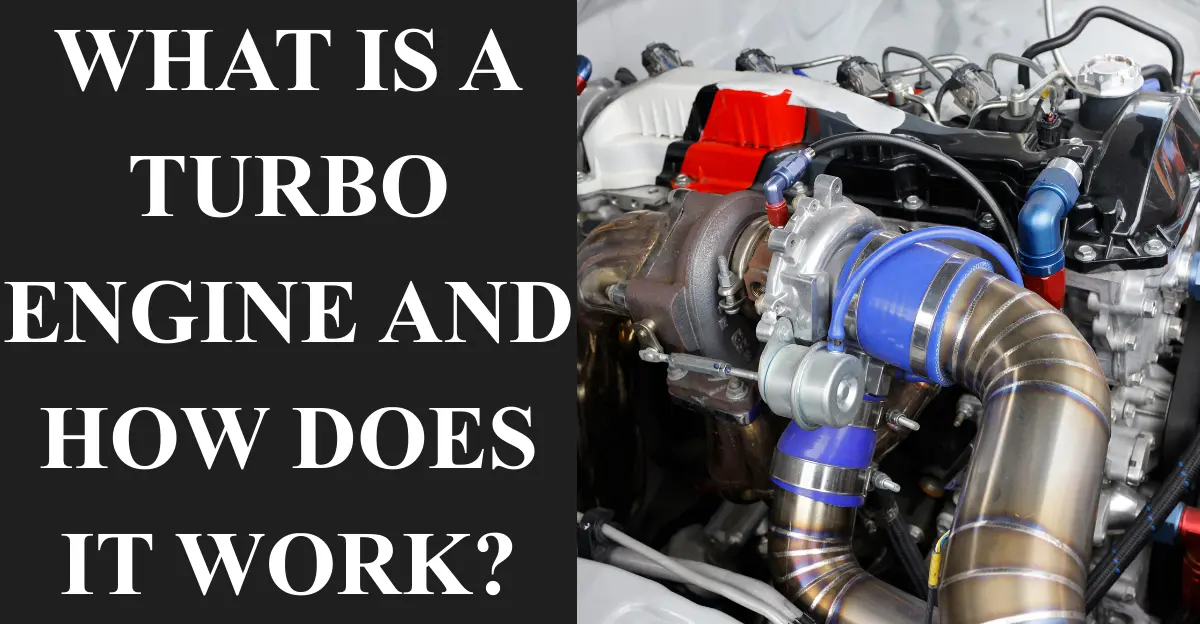
Unlock the full potential of your turbo engines by exploring how turbochargers enhance performance over normally aspirated engines. Learn the key benefits, downsides, and the complete ins and outs in this expert guide to mastering turbo power. Improve your driving experience today by understanding exactly how these systems work.
Table of Contents
How Do They Work?
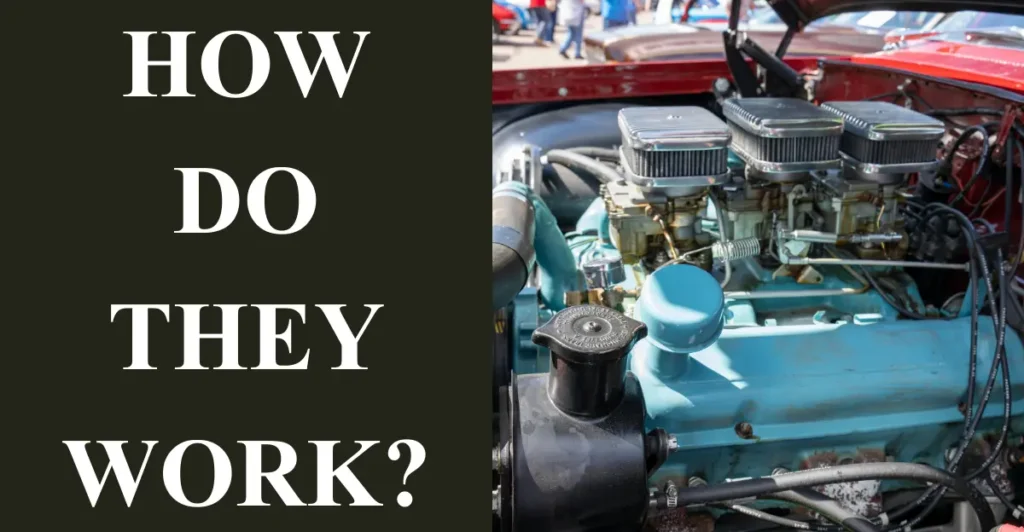
Turbocharged engines rely on a turbine wheel connected to a shaft inside a snail-shaped housing, which harnesses wasted exhaust gases to spin the turbine.
This rotation drives the compressor wheel, drawing in air through the inlet port, compressing it into high pressure, and sending it via pipe to the intercooler and cylinders through the intake valve.
The oil cooling system maintains optimal temperatures while the wastegate regulates excess pressure to protect the engine.
The result is efficient and economically advantageous performance, with compressed air maximizing combustion and rotational speed enhancing responsiveness.
From my experience working on turbos and turbocharged engines, fine-tuning the balance between air pressure, boost, and rotational speed is crucial for achieving smooth performance without strain. Watching how the compressor and turbine interact gives a real appreciation for the engineering behind turbochargers and the edge they provide over standard engines in both daily driving and high-performance scenarios.
What Are the Benefits of Turbos
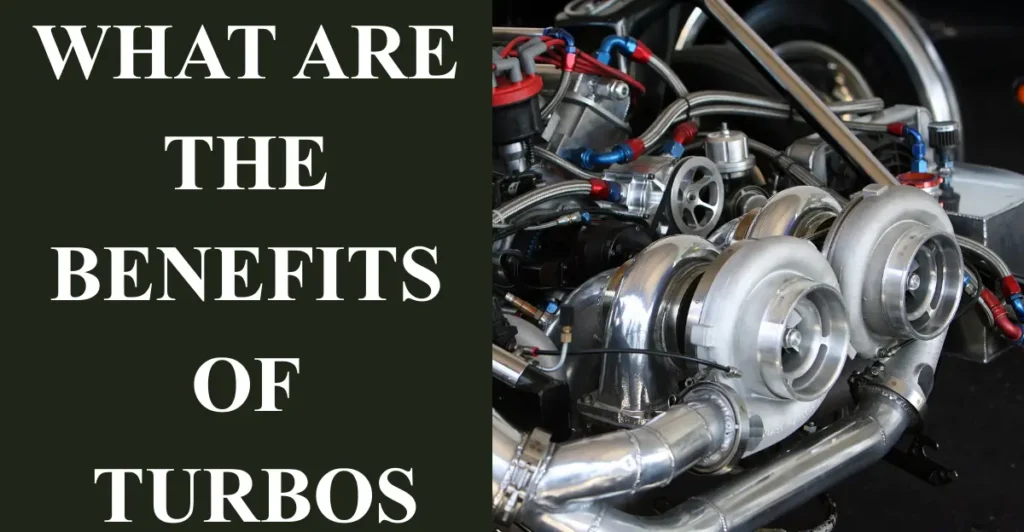
Here are the key benefits of turbochargers in modern cars with turbocharged engines:
- Power – Turbos increase engine output by compressing air in each stroke so smaller pistons can generate performance similar to larger units. Compared to naturally-aspirated engines, cars like the Ford 1.6L petrol engine achieve the punch of a 1L turbocharged unit or EcoBoost while remaining economical.
- Economy – With turbochargers, power output rivals larger engines while smaller engines stay lighter and more efficient, improving fuel economy and reducing emissions in modern diesel cars compared to naturally-aspirated engines.
- Torque and Performance – Turbos deliver strong torque across a wide rev range, enhancing performance in town driving and at higher speeds on motorways and A roads, making small turbocharged engines feel as responsive as larger engines.
- Quiet Engines – A well-designed turbocharged engine with optimized air, pipes, components, intake and exhaust flows is quieter and smoother, adding another benefit beyond raw power and economy.
From my experience with turbocharged engines, the combination of power, torque, and efficiency transforms both city driving and long motorway journeys while keeping the engine smooth and quiet.
And What are the Downsides
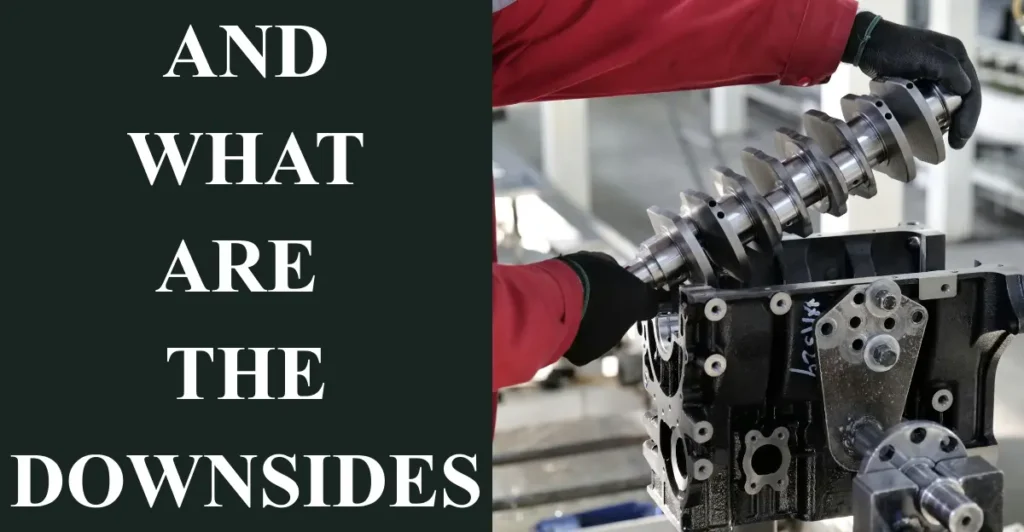
While turbos are increasingly popular for enhancing engine performance and efficiency, they come with certain pitfalls that require attention. These include increased mechanical complexity, potential for turbo lag, higher maintenance costs, and the need for proper cooling and lubrication to prevent premature wear. Owners must balance the excitement of added power with careful servicing and mindful driving to avoid long-term issues.
From my experience working with turbos, understanding these pitfalls early ensures the engine stays reliable while still delivering the enhanced performance that makes turbocharged engines so desirable. Proper maintenance and respecting the boost levels make the driving experience both thrilling and worry-free.
Expensive Repair Costs
Turbochargers bring impressive performance but their complexity means the engine and related components under the bonnet are more prone to faults and problems, which can lead to expensive repairs. Any malfunction has a significant impact on overall reliability, making regular maintenance essential to prevent costly downtime and component replacement.
Turbo Lag
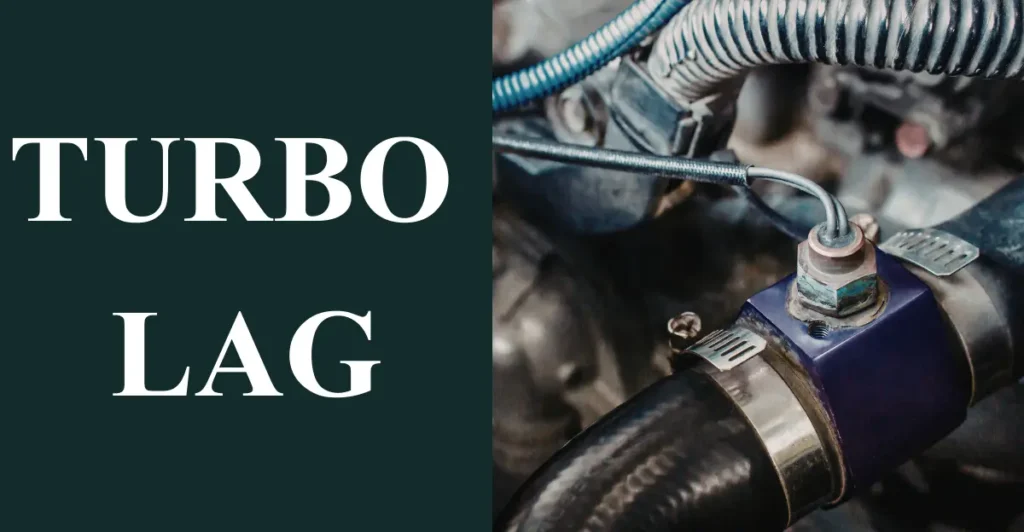
Turbo lag occurs when there is a delay in response between pressing the throttle and the engine delivering power, caused by the time needed for exhaust gas to spin the intake turbine. High-performance cars from leading manufacturers often reduce this effect using two turbochargers, variable geometry, or a single turbine design to provide quicker boost and smoother acceleration.
Efficiency vs Driving Style

The efficiency of a turbocharged engine heavily depends on throttle control and how the accelerator is used to manage boost and fill cylinders with the right amount of fuel.
Drivers who constantly demand high output experience poor efficiency, while careful modulation achieves good efficiency compared to a naturally-aspirated car. A well-driven turbocharged model rewards smooth driving style with both performance and economy.
From my experience, mastering the balance between boost and fuel delivery in a turbocharged engine transforms everyday driving. Maintaining steady throttle control and avoiding aggressive acceleration ensures the engine stays responsive while delivering maximum efficiency and reliability.
Where Do Turbochargers Come From?
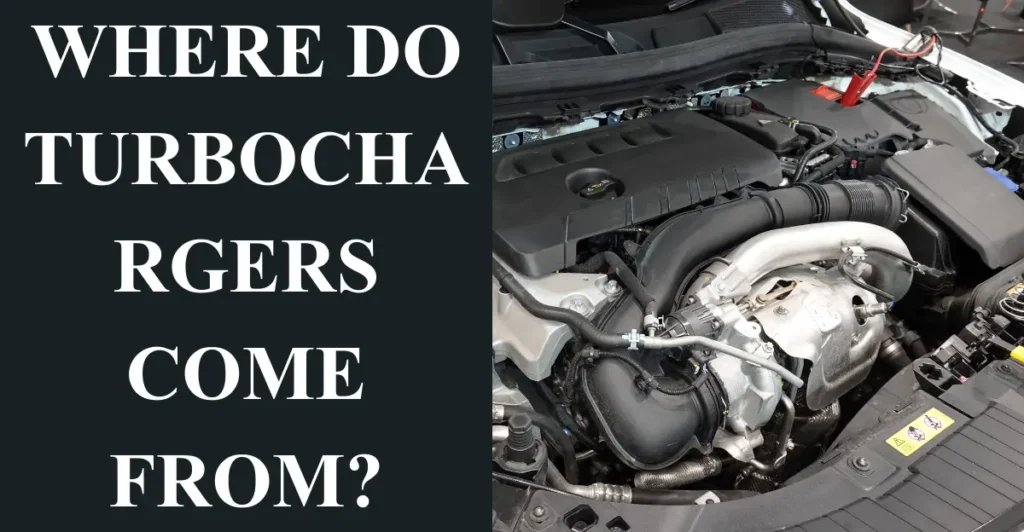
The turbocharger traces back to the 19th century when a German engineer, inspired by Gottlieb Daimler, explored ways to boost power in engines. It gained prominence during WWI with aircraft manufacturers using it to maintain performance at higher altitudes in thin air.
By 1961, a US manufacturer like Oldsmobile introduced a turbo in a 3.5L V8 engine, and in 1984, Saab developed an efficient turbo system. Continuous design, tweaks, and modifications led to the popular turbocharger configuration we see in today’s vehicles.
From my experience working with turbochargers, understanding their evolution highlights why modern setups are so refined. The combination of historical innovation and modern design allows today’s engines to achieve remarkable power and efficiency even under demanding conditions.
Conclusion
Unlock the full potential of your vehicle by understanding how turbo engines and turbochargers enhance power and efficiency. Master the benefits, address the downsides, and optimize driving style for peak performance. Experience the thrill of smarter, more powerful driving today by exploring everything a turbocharged engine offers.
FAQS
What is the purpose of a turbo engine?
A turbocharger gives an engine extra power without sacrificing fuel efficiency. It is typically added to smaller engines to improve performance. Today you can find turbocharged engines on many vehicles, including sports cars, trucks, sedans, and luxury vehicles.