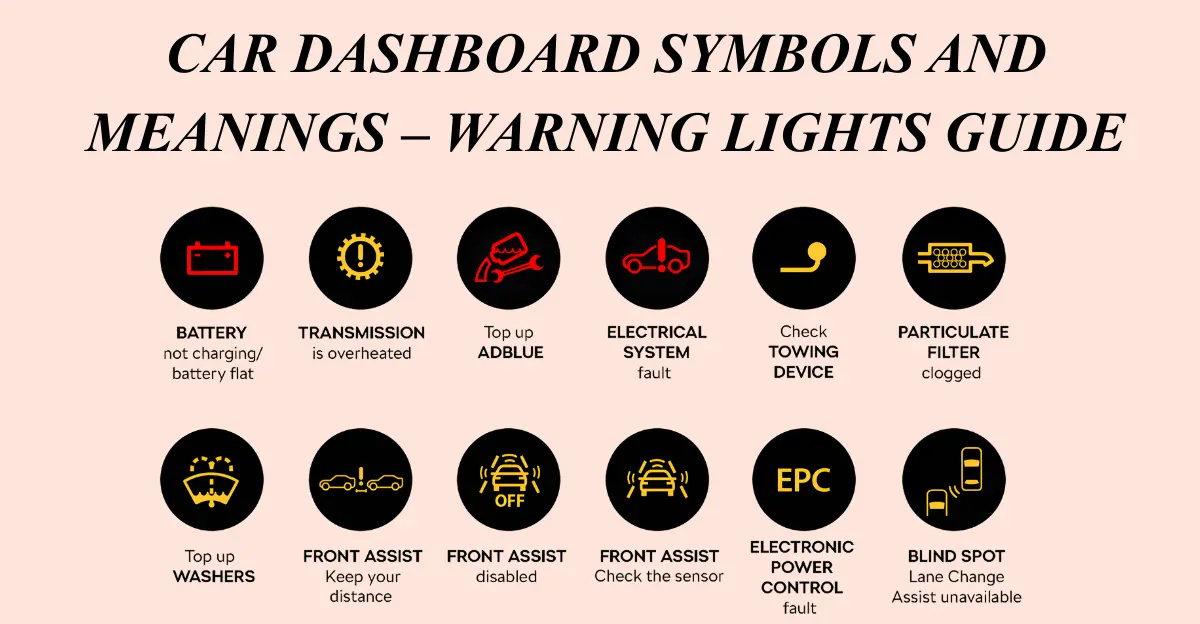
Understanding car dashboard symbols is crucial for every driver, as dashboard warning lights can illuminate unexpectedly, signaling something wrong that might be serious or minor. Mastering how to identify and understand the importance of each warning light using the traffic light colour system ensures you stay safe and maintain your car in top condition. Follow expert advice or have a mechanic checked promptly to prevent costly issues and keep every journey smooth.
Table of Contents
Engine management light
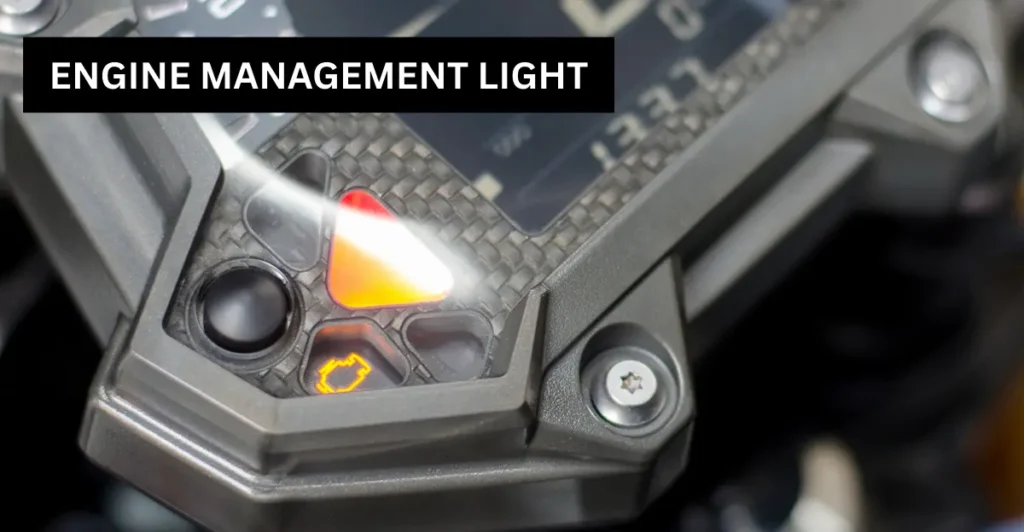
The check engine light, also known as the ECU warning light, is a warning symbol that every driver tends to dread. When the engine management light comes on, it can signal loss of power, engine stuttering, or the need to press the accelerator carefully.
Often, the cause is relatively minor, like a broken electrical sensor or a loose wire, but it’s still important to have the check engine warning light investigated to rule out a larger mechanical issue, a fault in the emission control system, or a failing catalytic converter.
How long can I drive with my check engine light on?
Once the check engine light comes on, it’s crucial to get it checked as soon as you can. Continuing to drive without addressing the issue increases the risk of causing further, sometimes potentially irreparable damage to the engine.
Prompt attention helps prevent minor issues from developing into costly repairs and ensures your car remains reliable.
From my experience, I’ve had the check engine light come on due to a loose wire, which turned out minor, but another time ignoring it even briefly caused engine stuttering and overheating. I always make it a point to get it checked immediately to avoid escalating problems and protect the engine.
Battery warning light
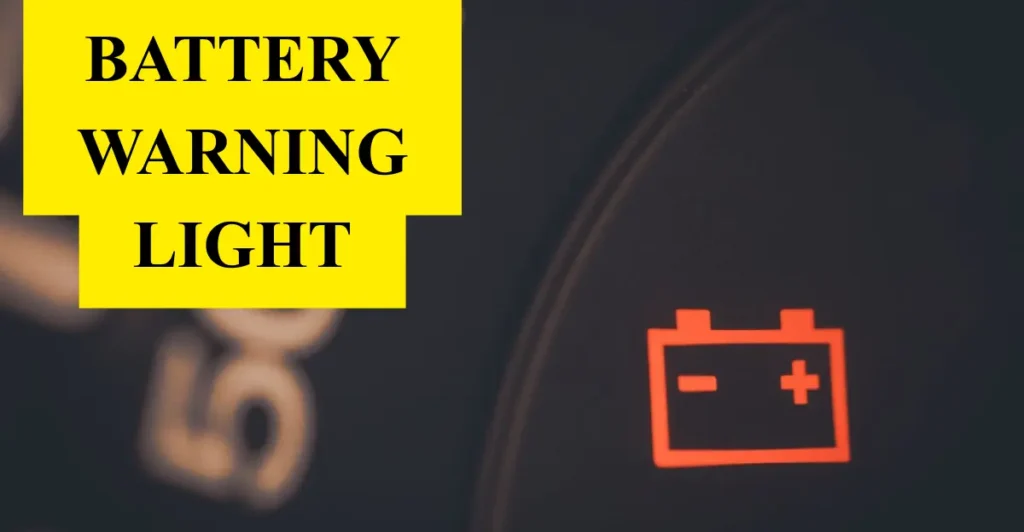
The battery warning light is a key warning light that can indicate the battery is not charging or that a fault is present in your car’s electrical system.
Causes often include a faulty alternator, bad electrical connection, damaged cabling, or the battery itself being faulty or worn out, and ignoring it can quickly escalate into a serious problem.
Can I still drive with my battery charging system light on?
You should not drive if the battery warning light comes on, as it could result in a break down or sudden power failure.
Always get the car checked by a qualified mechanic as soon as possible or arrange for a mobile mechanic to visit your home or place of work to avoid running out of charge, needing a jump start, or full recovery.
In my experience, a battery warning light once came on due to a worn out alternator, and I quickly arranged a mobile mechanic at home. Acting fast prevented a potential break down and avoided getting stranded on the road.
Brake warning light
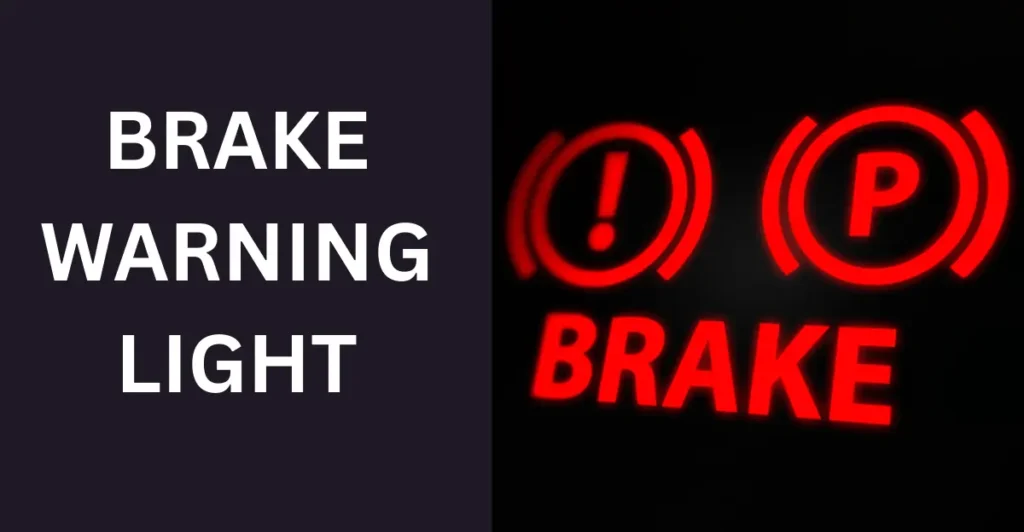
The brake warning light, also known as the brake system warning light or parking brake warning light, can illuminate as a dashboard light with an exclamation mark inside a circle or brackets, signaling an issue in the braking system.
This can be due to low brake fluid, worn brake pads, or the light remaining red after releasing the parking brake, while brake pads may squeak or pulse. Sometimes the ABS warning light or Electronic Brake Force Distribution (EBD) warning light is also illuminated, indicating the braking system has malfunctioned and the brakes may not work properly.
Can I still drive with my brake car warning light on?
Your brakes are one of the most important safety features in a car, so you should not drive if the red car warning light is on.
Pull over and stop in a safe place, keep speed low, and avoid braking suddenly. Check brake fluid levels and have professionals at a garage inspect your system before continuing.
From my experience, a brake warning light once came on due to slightly worn brake pads that were still functional, but ignoring it could have led to a serious failure. Acting immediately ensured the brakes were safe for the journey.
Coolant levels warning light
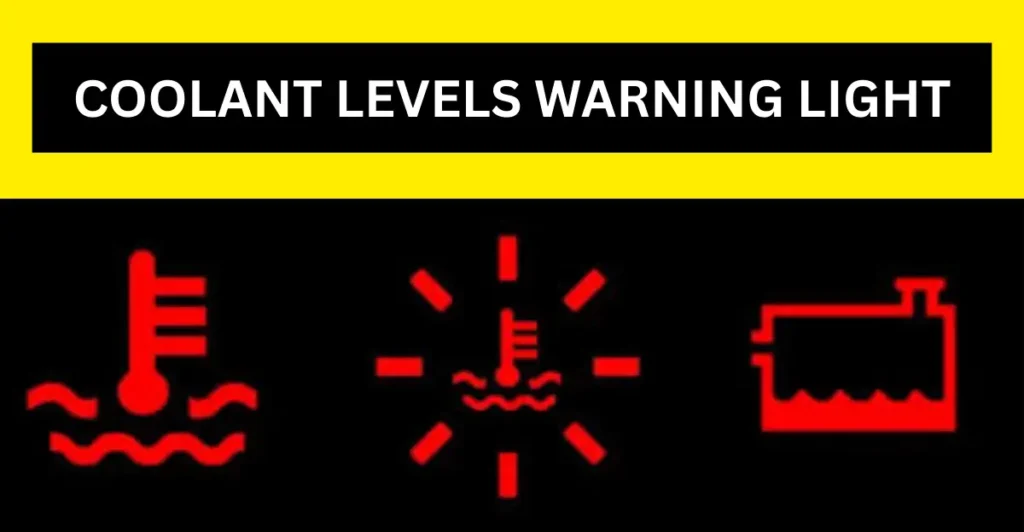
The yellow coolant warning light will come on when coolant levels are running low, serving as a reminder to top up the coolant fluid that absorbs heat from the engine and disperses it through the radiator to prevent overheating.
Can I still drive with my coolant level light on?
You should not drive the vehicle without sufficient coolant, so when the yellow warning light appears, stop and top up as soon as possible to avoid causing serious damage to your car. Always wait for the engine to cool down before topping up, and follow proper checking procedures using this guide to maintain engine coolant levels safely.
From my experience, I once ignored a yellow coolant warning light on a hot summer journey, and the engine temperature started rising quickly, but topping up immediately at a safe location prevented any serious damage and kept the car running smoothly.
Airbag warning light
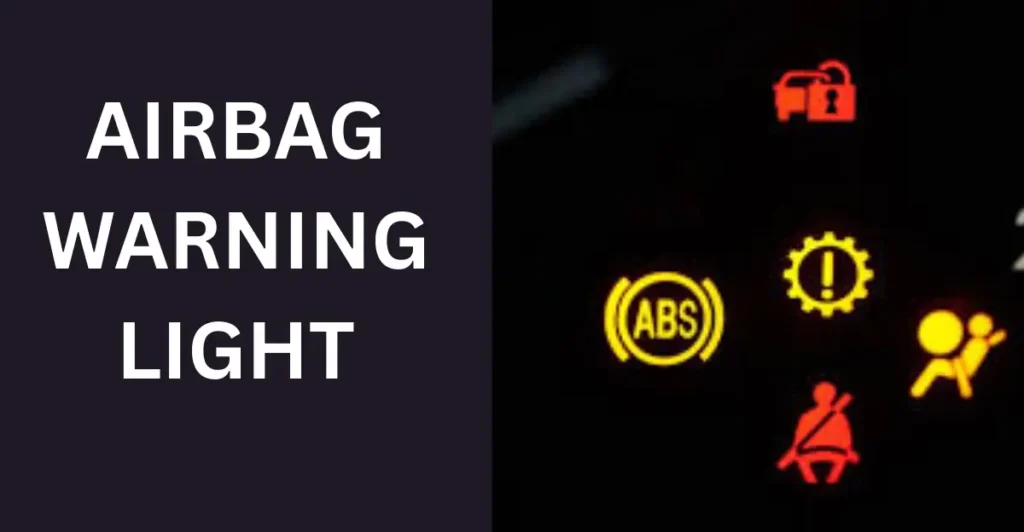
The airbag warning light will turn red if any element of the airbag safety system is not working correctly, signaling a potential issue with the airbag system.
This includes the front passenger occupant classification system, which detects the front passenger’s weight and position, and may fail to safely deploy the airbag or the seat belt pretensioner system, which tightens the belt in the event of a crash.
Can I still drive with my airbag light on?
You should not drive the vehicle if the red airbag warning light is on, as the airbag system may not be working properly, could not go off in a crash, or deploy unexpectedly, potentially causing more harm during an accident.
From my experience, I once noticed the airbag warning light due to a minor sensor fault, and even though the car seemed fine, having it checked immediately gave peace of mind knowing the airbag system would deploy safely if needed.
Power steering warning light
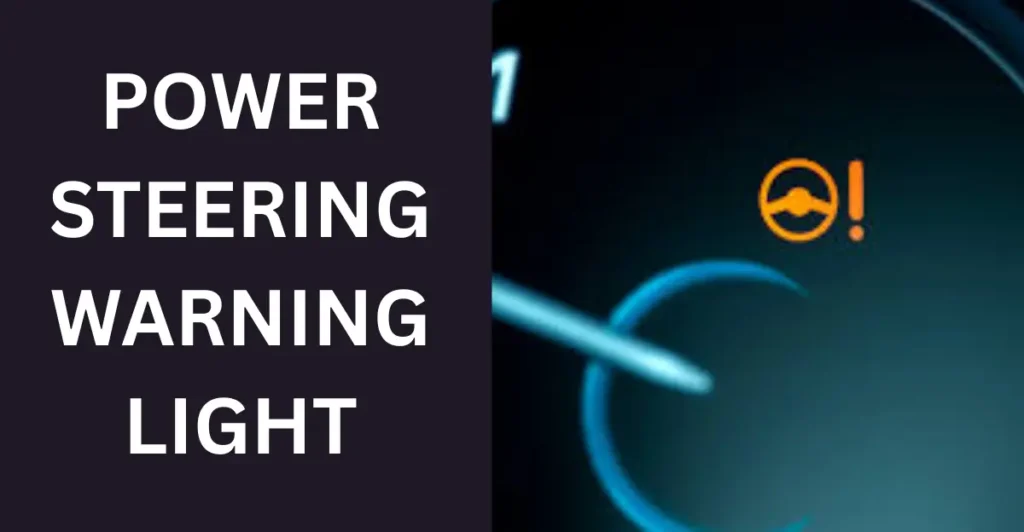
The warning light may come on if there is a problem with the power steering or electric powered systems, and many issues are simple to fix by rebooting the computer: stop the car in a safe place, turning it off and back on again for about 30 seconds. If the light stays on, it should be checked as soon as possible, as it could indicate a serious issue with the vehicle.
Can I drive with my power steering warning light on?
It is not advisable to drive the vehicle if the red power steering warning light is illuminated, since the power steering system may fail, making the car harder to manoeuvre and dangerous to drive.
From my experience, a power steering warning light once stayed on after a short reboot, and getting it checked immediately prevented a serious issue and ensured the vehicle remained safe to drive.
Diesel particulate filter warning light
The DPF or exhaust particulate filter warning light, usually a yellow symbol, comes on when the system in diesel cars is blocked by soot.
This affects the filter unit, which can become filled and may require exhaust repair if ignored, making the warning light an early alert for potential problems.
Can I still drive with my DPF light on?
You should get it checked at a garage as soon as you can, since DPF filters are expensive to replace and a blocked filter can release a plume of toxic black smoke.
Continuing driving while pressing the accelerator with a blocked filter risks serious damage to your car.
From my experience, ignoring a DPF warning light on a long diesel journey led to partial blockage, and careful regeneration after a garage check prevented costly exhaust repair while keeping the car running smoothly.
Engine temperature warning light
The coolant temperature car warning light or red engine light can come on when the engine is overheating.
This is often caused by coolant levels running low, a leak, or an issue in the system, serving as a sign of a larger problem such as head gasket failure.
Can I still drive with my engine overheating light on?
If the red engine temperature warning light appears, stop straight away because driving without enough coolant while the engine is hot can cause it to weld itself together, leading to irreparable damage.
Stop, wait for the engine to cool off, and use the gauge or coolant tank under the bonnet for topping up as required, following this guide. If obvious leaks are fixed and the light goes off, you can continue your journey, but if the light comes back on, have it checked out immediately to avoid an overheating engine, cut out, or needing to call for recovery even with breakdown cover.
From my experience, I once ignored the red engine light briefly, and the engine temperature rose quickly, so I had to stop, top up coolant, and monitor carefully, which prevented any serious damage and allowed the journey to continue safely.
Oil warning light
The oil warning light comes on when oil temperature is too high or oil level is too low, signaling that the oil is not lubricating the engine effectively.
Low oil pressure is important to notice and act quickly, as ignoring it can lead to expensive and even irreparable engine damage.
Can I still drive with my low engine oil light on?
If the low engine oil light appears, stop the car safely and switch off the engine.
Check for obvious oil leaks under the car, inspect oil levels, and do topping up if necessary. Even if oil levels seem fine, a faulty oil pump could be the issue, and continuing driving risks serious damage to the engine. If the light comes back on, call for recovery or visit a garage to investigate the underlying problem, following a video guide for checking the car’s engine oil if needed.
From my experience, a low engine oil light once came on mid-trip, and topping up temporarily allowed the car to run, but having it checked at a garage prevented potential irreparable engine damage and ensured the engine was safe for the journey.
Low tyre pressure warning light
The yellow low tyre pressure warning light can illuminate when a problem is detected in one or more of your vehicle’s tyres.
This is monitored by the tyre pressure monitoring systems and can occur when pressure falls gradually over time or suddenly due to a puncture or damage to the tyre.
Can I still drive with my tyre pressure light on?
You should not drive until you stop in a safe place to check the pressure of your tyres.
Low tyre pressure creates unsafe driving conditions, so reduce speed, avoid braking suddenly, or violent steering maneuvers, and use petrol stations, garages, or an air compressor to check and top up the tyres to the vehicle manufacturer specification as outlined in the owner’s manual.
From my experience, a low tyre pressure warning light came on during a long trip, and stopping at a nearby garage to top up the tyres prevented uneven wear and ensured safe handling for the remainder of the journey.
Anti-lock brake system (ABS) warning light
The yellow ABS warning light may come on when a fault is detected in the Anti-lock brake system, an important safety feature that helps maintain control during an abrupt stop or in difficult driving conditions such as icy roads.
Can I still drive with my ABS light on?
When the ABS light comes on, the normal, unassisted braking still works, so it is safe to continue your journey, but you should keep distance from other vehicles and take extra care, then get it checked as soon as possible to ensure the system is functioning properly.
From my experience, a yellow ABS warning light appeared during winter driving, and although unassisted braking was possible, maintaining extra distance and having the system checked promptly prevented any risk on icy roads.
Electronic stability problem (ESP) warning light
The Electronic Stability Control (ESC) car warning light may flash when a problem in traction control or the ESP system is detected while driving on a slippery road.
If the light stays on, the ESP system may not be working properly, and the ESP light can light up with the word OFF, indicating the system is deactivated, either due to being inadvertently turned off or a fault, requiring a check. Sometimes stopping and restarting the engine can reset it, but if the light remains on, the ESP system should be checked at a garage since it is an important safety feature.
Brake pad warning light
The brake pad wear warning light symbol shows up when the sensor detects that the brake pads are worn and need attention.
This ensures safe braking performance and prevents potential issues from worn brake pads affecting stopping distance or causing further damage.
From my experience, an ESP warning light appeared on a rainy road, and carefully stopping and restarting the engine temporarily cleared it, but having the ESP system checked at a garage ensured full functionality. Similarly, a brake pad warning light once came on during city driving, and replacing the worn brake pads immediately prevented reduced braking efficiency.
Can I drive with my brake pad light on?
If the car warning light comes on indicating the brake pads are dangerously thin, you should get them changed immediately.
Allowing them to wear out completely is extremely dangerous, so it is important to replace the brake pads as soon as you can to maintain safe braking.
How to reset or turn off car warning lights
A car warning light may appear on the dashboard after an issue is detected in the vehicle.
Sometimes visiting a local garage or calling out a mobile mechanic ensures the problem is resolved and the repair complete. Some lights may remain on until reset via the onboard computer by opening and closing the bonnet, turning the vehicle on and off, or disconnecting and reconnecting the battery. In certain cases, the light may reset itself, but if the lights remain due to an issue impacting the vehicle, a mechanic must fix it before attempting to reset the computer.
From my experience, a brake pad warning light once came on, and getting the pads replaced immediately prevented unsafe braking. Similarly, I’ve seen a stubborn car warning light that didn’t reset until a mechanic checked and repaired the underlying issue, ensuring the vehicle was fully safe.
Conclusion
Understanding your car dashboard symbols and warning lights is essential for safe and smooth driving. Acting promptly when a red or yellow warning light illuminates prevents serious issues such as engine damage, brake failure, or ESP and ABS malfunctions. Regularly checking, topping up fluids, and seeking professional inspections keeps your vehicle in top condition, ensuring every journey remains safe and reliable.