Spotting pink, orange, blue, or green coolant in your engine often sparks curiosity, especially the first time you checked the reservoir after you bought a car and noticed the shades differ. Most coolants come in multiple colours for historical reasons and do not necessarily tell much, which makes it more important to select the right fluid before putting anything into the system.
Build real insight into the differences and advantages, and make an informed decision by choosing the correct product for reliability and high performance.
Table of Contents
Why is Coolant/Antifreeze Different Colours?
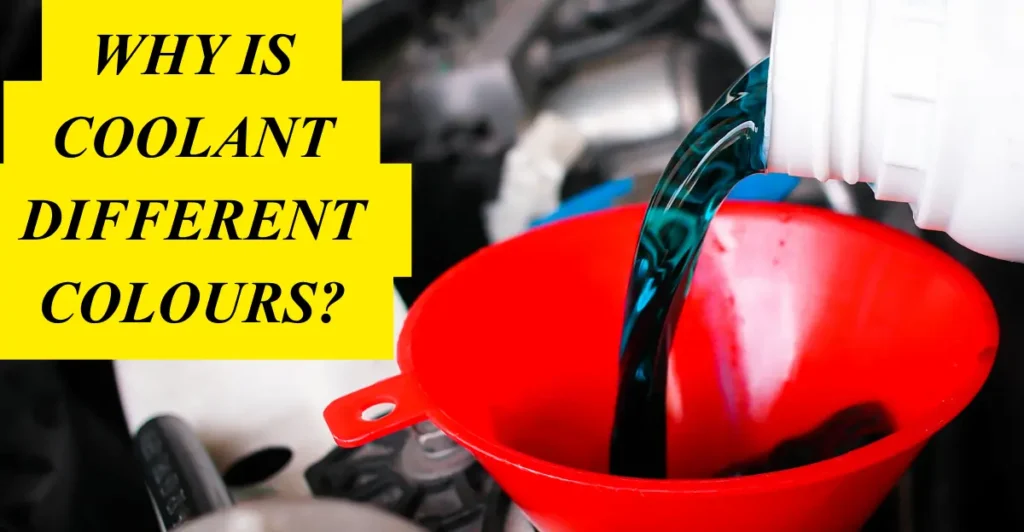
Across any vehicle, fluids naturally vary in colour, with bright pink and even reddish-brown tones identifying coolant or antifreeze at a glance.
Relying on colour alone cannot determine the specific type or shade, because the chemical make-up of each product differs between products, making a fluid finder or chart essential for spotting key differences.
Using great care when topping up a cooling system is critical; as expert Bruce Ellis explains, in earlier days the colour often determined the chemicals used to prevent corrosion, particularly in older coolants based on Inorganic Additive Technology (IAT), commonly blue or green.
These IAT coolants typically change every two years or around 60,000 miles, while Organic Acid Technology (OAT) introduced longer protection for modern systems and extended life formulations such as Extended Life Coolants (ELC), usually orange, promoting a five-year or 100,000-mile interval.
Further blend approaches known as Hybrids depend on the manufacturer, with certain models using yellow, leaving many drivers confusing matters when lifting the bonnet of a new or second-hand car, especially if the idea that colours mean compatibility has changed.
Years of diagnosing overheating and contamination faults have shown me that label specifications and standards matter far more than appearance, and careful selection consistently prevents expensive mistakes.
Do I Need to Use a Certain Colour of Coolant in My Car?
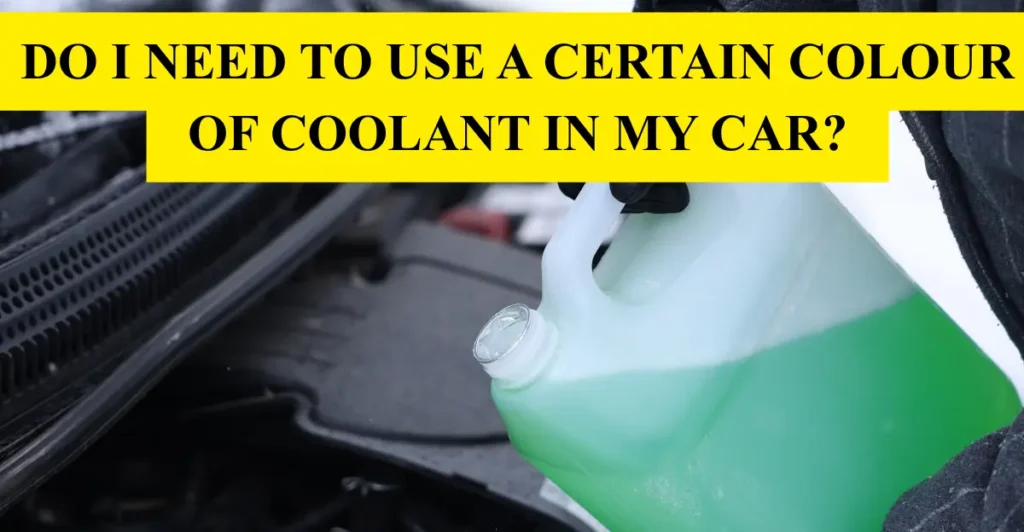
When it comes to refilling your car cooling system, it’s crucial to check the manual for the type of product recommended by the manufacturer before topping up the coolant tank.
Using a certain colour is not just cosmetic; the answer is firm: no universal rule exists as coolants are classified by chemical spec.
It’s impossible to tell from colour alone which products can mix safely, and using the wrong one may cause blockage, wreck the system, or lead to significant repair bills.
Bruce advises that for second-hand vehicles, reviewing service records and confirming the coolant type, whether aftermarket or OEM, ensures compliance with the original spec, giving years of trouble-free use.
While universal antifreeze may offer safe fluids for top-ups, premium products aligned with the manufacturer provide peace of mind and work without problems.
From decades of servicing both new and second-hand cars, I’ve learned that confirming the spec before topping up prevents expensive engine issues and maintains reliable cooling system performance.
What Do Coolant/Antifreeze Colours Mean?
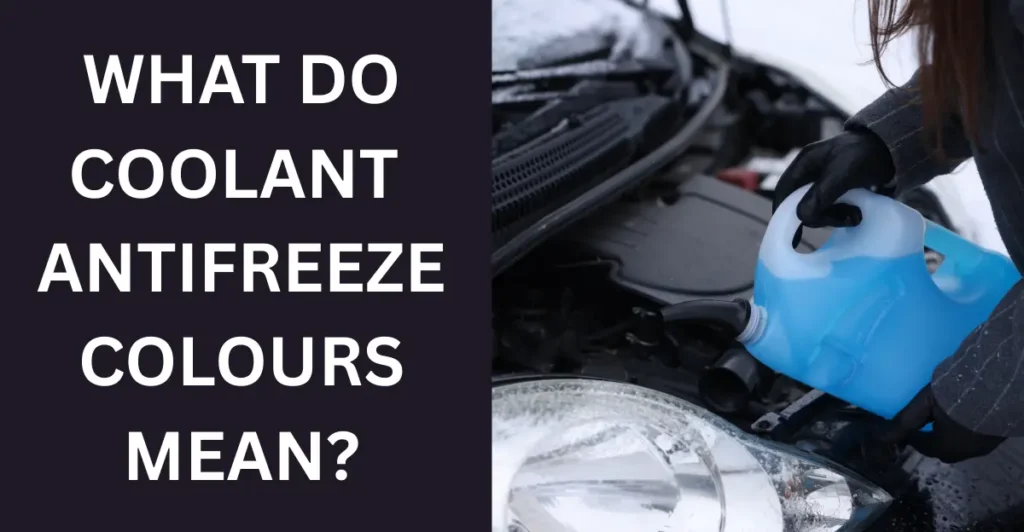
Choosing the color of coolant or antifreeze in your car can be interesting, as the different colors carry a broad sense of their main variant, but it’s essential to check your manual before buying high-quality or universal coolant product.
Green and Blue
Green and blue coolants traditionally represented Inorganic Additive Technology (IAT) and are considered out-dated today; this type contained phosphates and silicates and typically required changing every two years on average.
Orange and Red
Orange and red Extended Life Coolants (ELC) offer a longer change interval, often five years or 100,000 miles, with variants including corrosion inhibitors and antimicrobial agents, providing slow wear and tear and greater protection for the engine.
Other Coolant/Antifreeze Colours
Other coolant colours such as yellow, blue, orange, red, purple, pink, or turquoise are less common to encounter but are often associated with chemical compounds or Hybrid Organic Acid Technology (HOAT), with phosphate content or coolant colour reflecting the make-up of the fluid.
From years of working on performance and everyday vehicles, I’ve found that understanding these colours and their chemical variants prevents costly mistakes, and choosing the correct coolant always ensures long-term reliability.
Which Coolant/Antifreeze Should I Use in My Car?
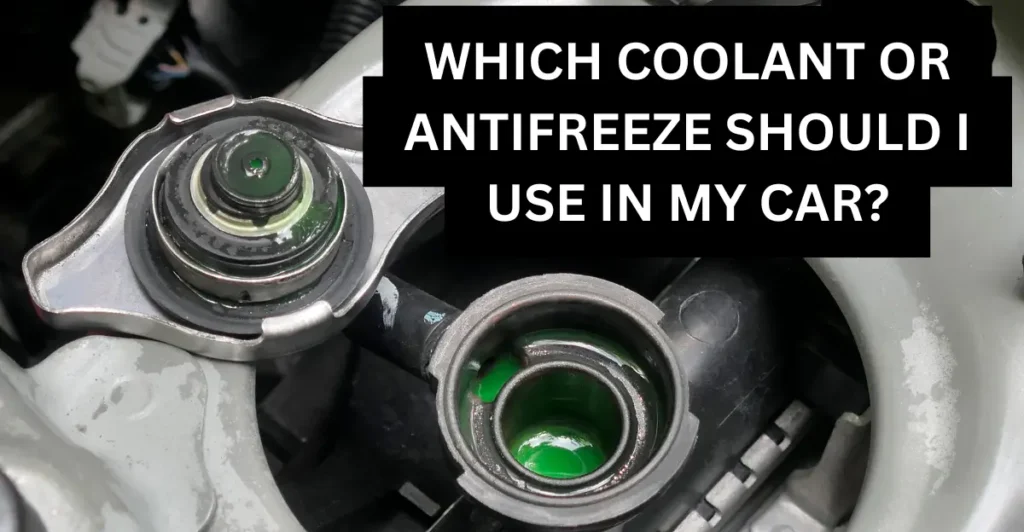
Always use the coolant or antifreeze recommended by your car manufacturer to ensure best performance and protection of the engine. The manual, owner’s forums, and official website list suggested blends and whether premium or universal coolants are safe, while avoiding mixing incompatible fluids ensures optimal operation.
Conclusion
Understanding why coolant comes in different colours ensures the right choice for your car’s engine protection and performance. Following manufacturer recommendations and using premium or universal coolants safely prevents costly repairs. Take control of your cooling system and maintain long-lasting, trouble-free driving by selecting the correct antifreeze.
FAQS
Does different color coolant matter?
Some people say it’s ok to mix coolants if the type of coolant matches the one already in the system. However, according to experts, it is best not to mix different coolant colors – just for safety. For instance, some combinations can ruin your car.