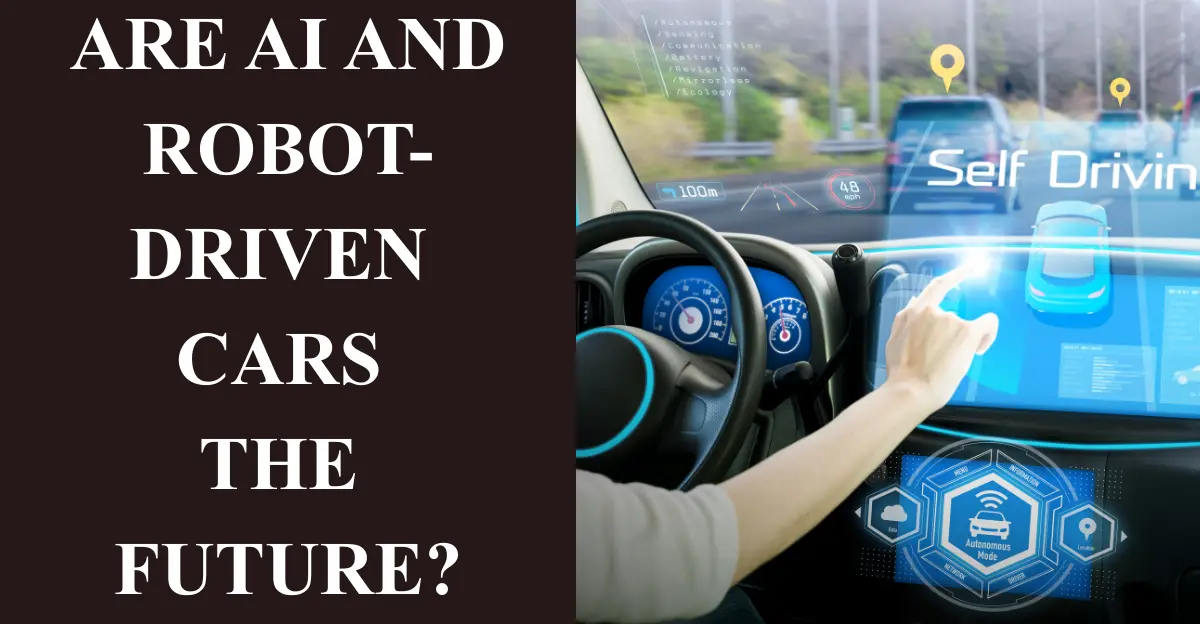
AI, autonomy, and artificial intelligence are transforming the car industry, as self-driving cars and robot-driven cars with smart sensors and driver assist technology redefine mobility and transportation. Innovation and automation make this a reality, keeping vehicles safe and moving. Embracing this tech is key to the future of the automotive industry.
Table of Contents
What Driverless Technology Already Exists?
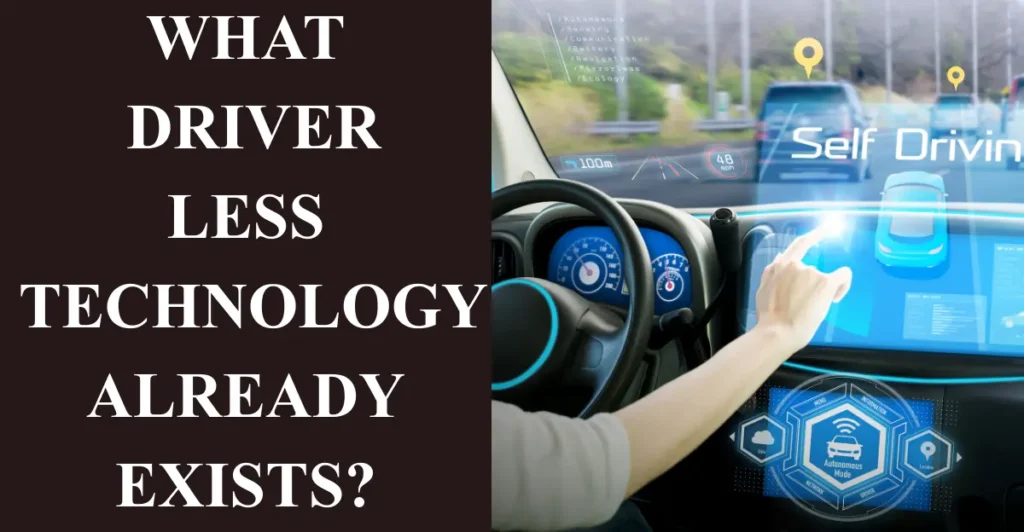
Driverless technology is already shaping driving worldwide, with AI technology and artificial intelligence powering autonomous vehicles from Tesla, BMW, Mercedes, Lexus, and Ford, as manufacturers invest millions in automation, innovation, and mobility.
Everyday day-to-day driving is becoming easier and safer thanks to features like emergency braking, park assist, blind-spot warning alerts, and semi-automated motorway cruising, while technology firms like Google, Amazon, and Uber develop fully-driverless vehicles and AI-powered cars with smart systems that enhance safety, automation, and automotive technology.
Real-world programs such as Waymo in Mountain View, California, USA, November 3, 2017, with customized Chrysler Pacifica Hybrid, Google autonomous vehicle program, robotic vehicles, self-driving program, hybrid vehicle, testing, development, autonomous driving, and mapping technology demonstrate how autonomous vehicles are advancing through real-world trials.
Driver-free buses in US cities like Detroit and Columbus ferry commuters on predefined routes using AI, automated shuttles, and autonomous transit, while driverless cars and taxis from Uber and other big players operate legally in some US cities, allowing a driver in control while capable self-driving cars reach destinations via an app, reshaping ride-hailing, transportation services, and the future of taxi drivers.
In agriculture and logistics, AI-powered vehicles and robots handle repetitive tasks in controlled environments, perform autonomous farming in fields without human operators, and keep long-haul trucks moving 24 hours a day on highways, showing how robotic technology and AI-powered vehicles are transforming freight automation, urban mobility, and the automotive industry.
Will Self-Driving Cars be a Reality Soon?
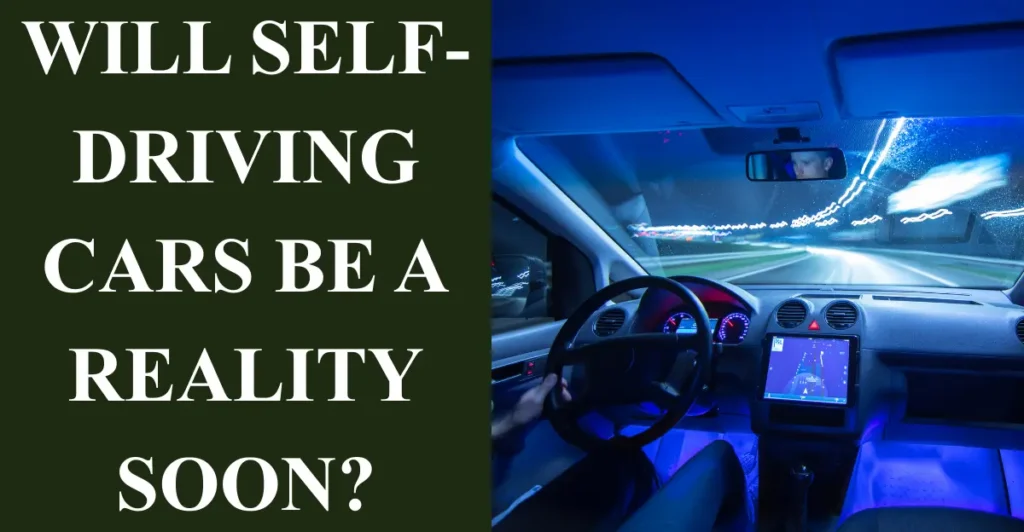
The journey of self-driving cars toward reality has progressed steadily over the past decade, with smart cars using HUD, autonomous mode, self-driving mode, graphic sensor, radar signal system, internet sensor, and connectivity to monitor metro city roads from an above view while integrating AI elements and artificial intelligence for emergency city braking, self-parking, and other impressive technology in the automotive industry.
While fully-automated cars promise driverless tech, human drivers who love driving and the inherent human unpredictability, including human thinking, human actions, and driving behaviour, remain a major obstacle alongside technology resistance, massive scepticism, safety concerns, and incidents where pedestrians or other road users have been injured or killed due to the wrong choice of AI.
Engineers and developers face slow development as they attempt to create smarter AI capable of compute, behaviour, and decision-making that approximates human understanding, yet uncertainty, public trust, and automation limits keep driverless cars in a near future state of technology reality.
Recent articles highlight driverless car fails and ongoing challenges in bringing robots and smart systems safely to local forecourts and city streets, showing that the role of technology in the future of driving is promising but still cautious.
I have personally tested smart cars in autonomous mode on busy metro city roads, experiencing firsthand how AI elements handle emergency city braking and self-parking, and I’ve seen how human unpredictability challenges driverless tech, proving that while the technology reality is impressive, public trust and safety remain crucial for the future of driving.
The Best (Almost) Self-Driving Cars in 2019
Audi A8
The Audi A8, an ultra-luxury saloon, brought driverless capability to a standard road-going car with Traffic Jam Pilot for slow-moving traffic under 37 mph, handling autonomous decisions with no driver input, start and stop function, and navigating motorway traffic while showcasing futuristic elements and semi-driverless vehicles that pushed automotive innovation and future mobility forward.
BMW 7 Series
The BMW 7 Series combined semi-autonomous features such as adaptive cruise control, self-parking, and remote parking, allowing the luxury sedan to accelerate, brake, and maintain traffic flow at speeds up to 130 mph while demonstrating autonomous driving and driverless tech as part of advanced cars for future mobility.
Ford Focus
The Ford Focus integrated autonomous technology with lane-centring technology, start-stop technology, and park assist, adjusting automatically to parking space size and shape, enabling safer driving, simpler driving, and showcasing futuristic elements in a road-going vehicle, emphasizing driverless tech and automotive innovation.
Honda Civic
The Honda Civic featured Intelligent Adaptive Cruise Control (i-ACC) to detect other cars, react to obstacles, and manage automatic braking and automatic acceleration, monitoring surrounding vehicles and potential hazards, providing semi-driverless features that blend autonomous driving with driverless tech for safer future mobility.
Mercedes E Class
The Mercedes E Class offered advanced features including active lane change assist, automatic lane switching, evasive steering assistance, accident avoidance, and automatic corner braking, using sat nav data to slow automatically at upcoming corners, demonstrating how driverless tech in almost self-driving cars is being applied to road-going vehicles with futuristic elements and autonomous driving.
I have personally driven the Audi A8 in Traffic Jam Pilot mode and tested BMW 7 Series remote parking, and experiencing how autonomous driving handles traffic flow, braking, and obstacle detection firsthand showed me that while driverless tech is almost self-driving, human oversight is still crucial for future mobility.