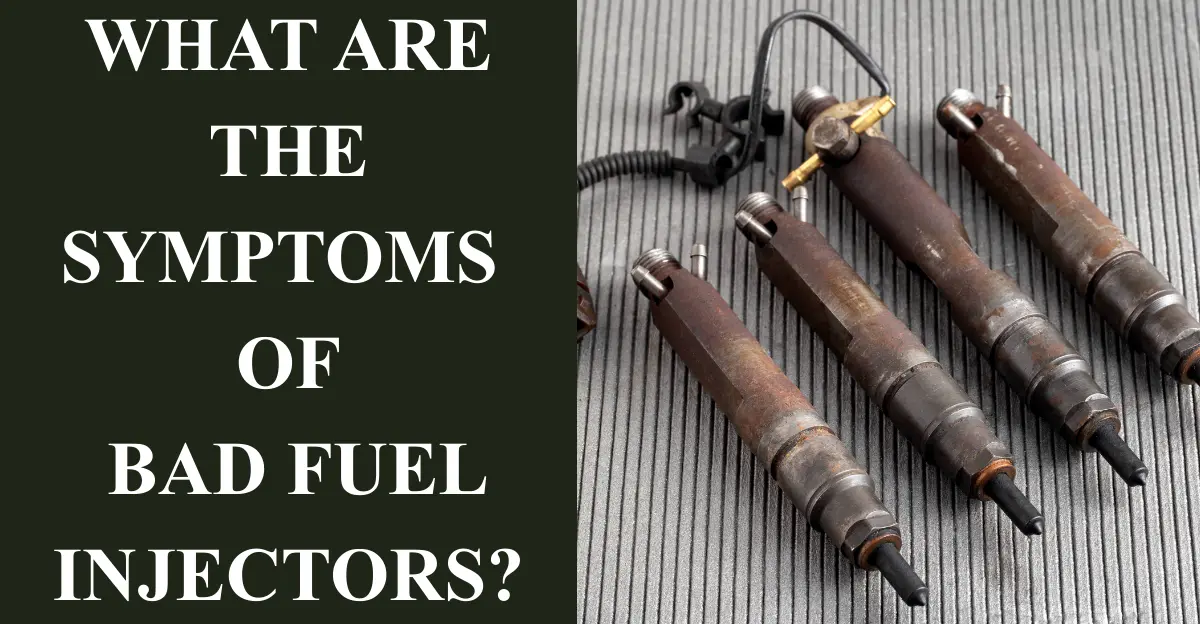
Fuel injectors are essential for your car’s engine, delivering fuel at the right time to ensure smooth and efficient combustion. Ignoring clogged or faulty injectors can lead to performance drops, but regular maintenance lets you spot and fix a bad fuel injector before it causes serious damage. Keep your engine clean and running optimally act now and schedule a service to protect your car’s performance!
Table of Contents
What Are Fuel Injectors?
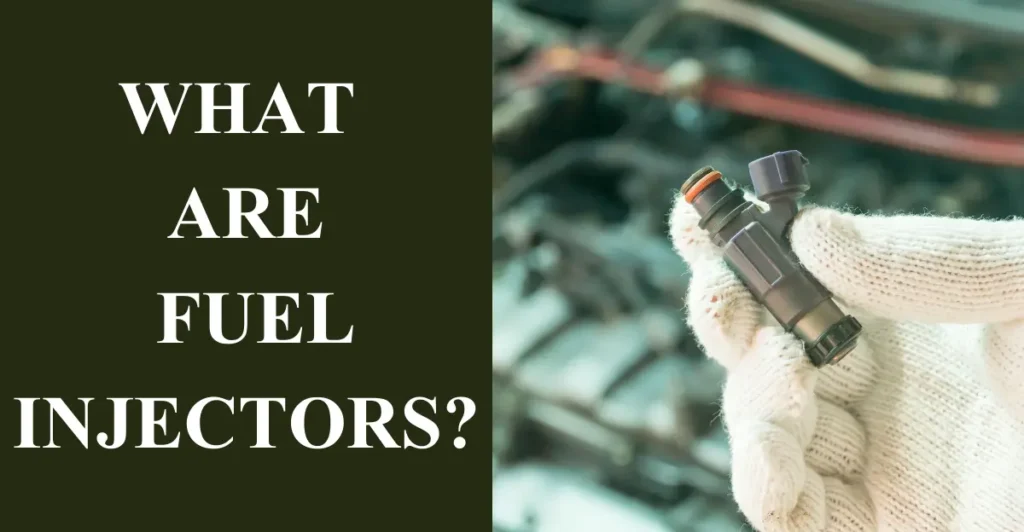
Fuel injectors are electronically controlled valves in your car’s engine that spray fuel through an atomising nozzle, distributing petrol or diesel evenly into each cylinder for optimum combustion and efficiency. Unlike the older carburettor system, modern engines use four fuel injectors in a four-cylinder setup to enhance fuel efficiency and reduce emissions.
These injectors operate with precise opening and closing to ensure a smooth drive performance, and signs that an injector may need replacement include rough idling, misfires, poor acceleration, or uneven fuel delivery.
Over the years, I’ve worked on numerous cars where neglected injectors caused noticeable drops in performance. Performing timely checks and cleaning or replacing fuel injectors not only restored engine smoothness but also significantly improved fuel economy, making every drive more reliable and cost-efficient.
How Do Fuel Injectors Work?
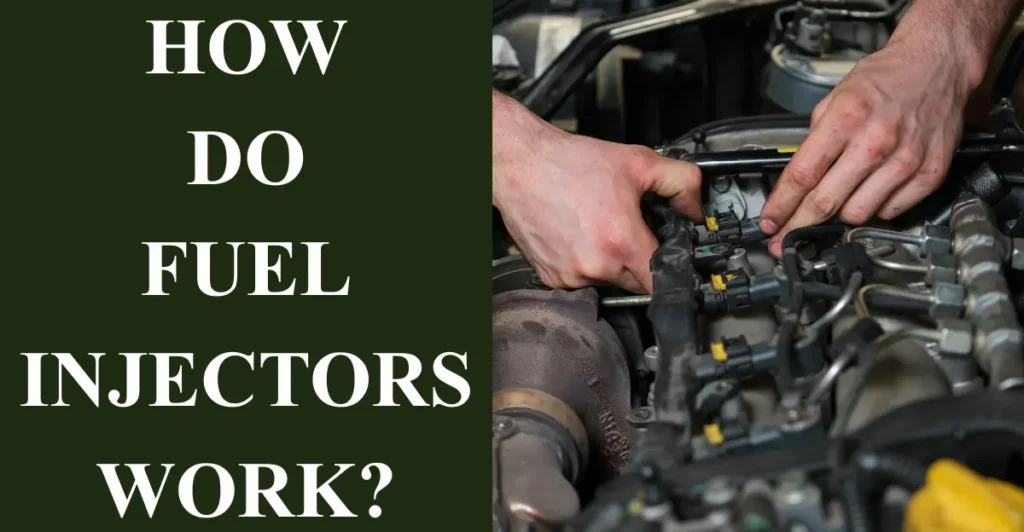
Fuel injectors control the volume of fuel delivered to each combustion chamber, ensuring the right amount is injected at the right time. Housed in the cylinder, they supply fuel at the exact moment for optimal responsive power and output, helping the engine achieve maximum efficiency.
The fuel pump pushes petrol or diesel through fuel lines to the injectors, while the ECU (engine control unit) and various sensors activate the injector, allowing pressurised fuel to spray through small atomised nozzles so it can burn efficiently in the combustion chamber.
From my experience, observing injector performance firsthand has shown me how critical timing and spray patterns are. Cars with slightly delayed or uneven injector firing often lose power and fuel efficiency, but a careful check and cleaning can restore maximum efficiency, making the engine run smoother and more reliably every time.
Types of Fuel Injection Systems
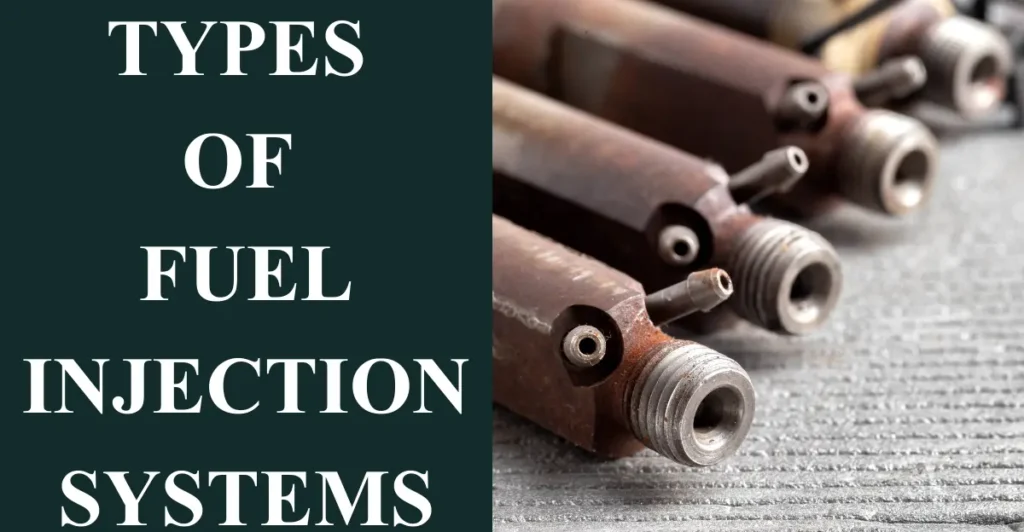
Over the years, technology has advanced and various types of fuel injection systems have emerged allowing engineers to design injectors that perform more efficiently with distinct benefits.
Single-Point Fuel Injection
Single-point fuel injection uses a throttle-body with single-point fuel injectors and is considered the basic type of injection system that can replace carburettors. It is inexpensive and easy to service but has a lack of precision and efficiency compared to modern injection systems.
Multi-Point Fuel Injection
Multi-point fuel injection employs multi-point fuel injectors positioned at each cylinder’s intake port to deliver vapourised fuel into the combustion chamber. This accurate and precise system maintains a consistent fuel-air ratio and enhances overall engine efficiency compared to single-point injectors.
Sequential Fuel Injection
Sequential fuel injection is an advanced multi-point fuel injection system where injectors fire independently in sequence with the spark plugs to fire one after another. This reduces lag time, improves efficiency, ensures consistent fuel delivery, boosts fuel economy and helps reduce emissions.
From my experience servicing different engines, I have seen how moving from single-point to multi-point or sequential fuel injection significantly improves engine responsiveness and fuel efficiency while maintaining smooth and reliable performance.
Signs and Symptoms of a Faulty Fuel Injector
Fuel injectors can develop faults over time which impact performance and may cause breakdowns. Issues like clogged nozzles, debris, mechanical issues or electrical issues can affect how the engine runs. Common signs and symptoms of a faulty fuel injector include
Check Engine Warning Light
A check engine warning light is a common sign of a bad fuel injector appearing on the dashboard. When an injector is adding too much or too little fuel the ECU triggers the light to indicate a problem with delivering fuel.
Misfiring or Vibrating Engine
Misfiring or a vibrating engine occurs when a car experiences a delay in the accelerator pedal response. Symptoms of a faulty fuel injector include clog or blockage in the nozzle failing to deliver the correct dose of fuel which disrupts the fuel-air mix in the combustion chamber and causes a sudden drop in acceleration.
Rough Idle
A rough idle happens when the idle noise feels rougher due to fuel injectors not delivering fuel properly. Injector nozzles may be clogged with particles that interfere with atomisation and spray fuel while other faults like a bad spark plug or dirty air filter can also contribute.
Engine Stalling
Engine stalling can cause the car to randomly stall or cut out from a lack of fuel in the combustion chamber. The ECU may stop the engine if a failed injector has badly blocked nozzles or a fuel leak as the injector connects to the fuel lines.
Fuel Leak
A fuel leak can be detected by a smell of fuel while driving. Older or poorly maintained injectors may show symptoms such as fuel on the fuel gauge or fuel on the ground close to the injector.
Poor Fuel Economy
Poor fuel economy occurs when a faulty fuel injector causes a significant drop in efficiency. The ECU may call for more fuel because the combustion chamber receives less fuel while clogged or leaking injectors make the engine consume more than necessary.
Failed MOT for Emissions Reasons
A failed MOT due to emissions reasons can happen when drivers do not reduce the volume of harmful emissions. A car producing excess smoke often has fuel injectors that are not clean or well-maintained resulting in a poor fuel-air mix in the combustion chamber where fuel isn’t burnt properly and the exhaust system suffers. Regular checking, cleaning and maintenance tasks prevent this issue.
Maintaining and inspecting fuel injectors early ensures smooth engine performance and avoids costly repairs while keeping fuel economy and emissions under control.
Maintaining Fuel Injectors
To maintain fuel injectors effectively, it is important to keep them clean using suitable fuel system cleaners for petrol or diesel engines. Specialist cleaning products can remove particles and blockage that build up over time, which helps reduce emissions and ensures better performance for MOT compliance and a cleaner environment. Advanced products and dedicated Emissions Reducers further support injector efficiency and prolong their lifespan.
In my experience, regular maintenance with quality cleaners not only prevents costly repairs but also keeps engines running smoothly and improves fuel economy, making every drive more reliable and efficient.
Conclusion
Keeping your fuel injectors well-maintained ensures optimal engine performance, improved fuel efficiency, and lower emissions. Neglecting clogged or faulty injectors leads to costly repairs and reduced driving performance. Regularly cleaning and servicing your injectors keeps your car running smoothly while maximizing fuel savings.