
Short journeys may seem harmless, but they can quietly impact your car’s engine, battery, and long term performance through repeated cold starts and low mileage use. Many drivers overlook how daily short trips add wear faster than expected, especially in city driving conditions.
Explore the insights ahead and apply practical habits today to protect your car and extend its overall lifespan.

Table of Contents
What Problems Can Short Journeys Cause Your Car?

Frequent short journeys can quietly damage your car by failing to allow the engine and fluids to reach optimal temperatures, which increase wear and tear over time. Bad driving habits like riding the clutch, dragging the brakes, or coasting downhill on quick trips only lead to further problems.
These actions can cause serious issues on the same way your vehicle is used every day. Even a couple of cold starts on multiple occasions adds up, and taking a moment to take a look at how these routines affect your car can prevent serious extent of mechanical damage.
From years of experience, I’ve seen engines lose efficiency and brakes wear unevenly simply from repeated short trips around town, making it clear that small changes in driving habits have a big impact on long-term vehicle health.
Drive a Diesel? Short Journeys Could Damage the DPF
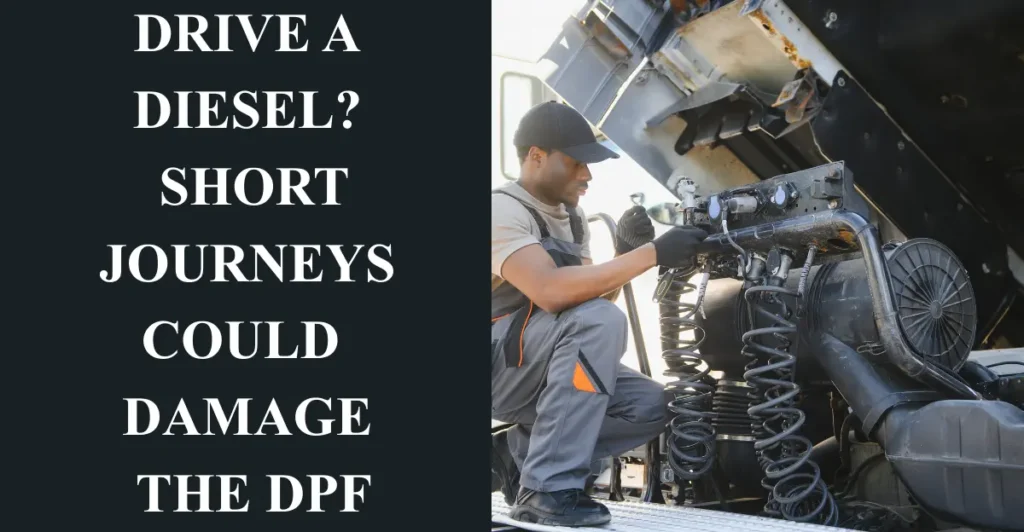
For a diesel driver, frequent short journeys in diesel cars can seriously affect the DPF or diesel particulate filter, which is designed to trap soot and other harmful particles produced from burning diesel.
Without a long enough run at hot temperature, the particulate filter cannot regenerate properly, leading to a clogged filter, blockage, and eventually mechanical issues that trigger safe mode or limp mode, potentially resulting in expensive repair.
Driving at 40mph or higher on longer journeys or at motorway speed is essential to burn off deposits, keep clean, and maintain the DPF in good working order.
Repeated quick trips that don’t allow the engine to reach temperature accelerate the diesel cars problem, trigger DPF warning light alerts, and increase breakdown risk if the filter is not cleared with a faster journey.
From my experience working with diesel cars, I’ve seen drivers ignore the DPF warning light until the particulate filter becomes heavily clogged, and a single long motorway run at proper speed can often prevent costly repairs and restore the DPF’s function efficiently.
Engine Wear and Tear from Cold Starts
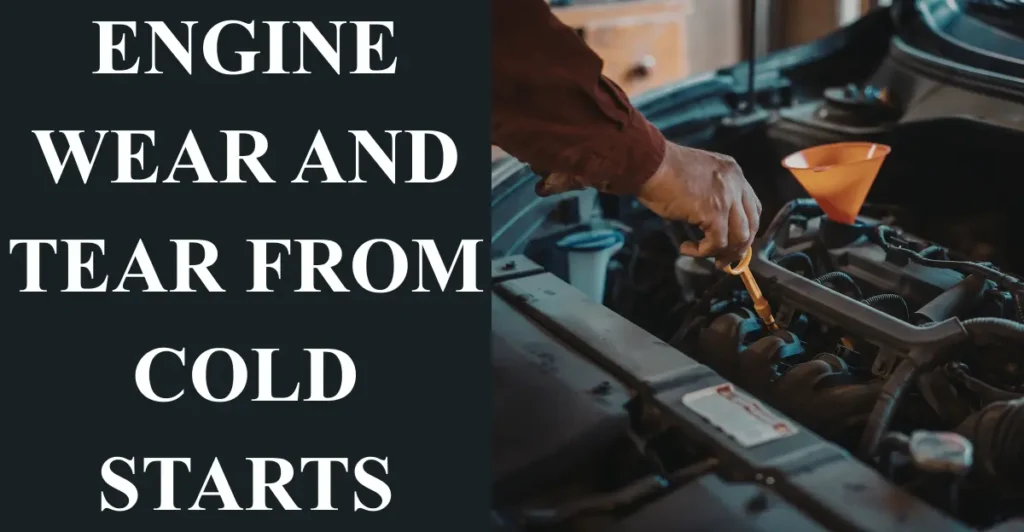
Frequent cold starts put engine wear and tear at risk because when starting up, the engine work hardest before oil circulation reaches optimum rate, creating additional stress on moving parts.
If you set off immediately without taking it easy during the first few miles, especially on a journey not long enough to reach optimum temperature, unnecessary acceleration and hard driving increase the chance of expensive repair bills in the future.
To reduce wear and tear, cut emissions, and protect your engine, it’s essential to take it easy, avoid hard acceleration, and drive carefully until the engine is fully warmed up. Quick trips that don’t allow the engine to reach proper up to temperature always leave lingering strain on components.
From my experience maintaining cars over years, I’ve noticed that cars driven gently for the first few miles after a cold start remain smoother, consume less fuel, and avoid minor mechanical failures that often accumulate into costly repairs.
Battery Problems

Frequent short journeys can lead to battery issues, especially in older cars, because car batteries rely on the engine running long enough to charge fully. Quick trips and driving less frequently, such as during the coronavirus lockdown, leave batteries down on power over time, making it harder to maintain power in the 12V battery, and even faulty units or those with a poor history can struggle to stay fully charged.
Without regular longer journeys or a single trip of decent length every couple of weeks, the battery can gradually run out of power, requiring extra recharge and attention to keep the power supply stable and normal.
From personal experience, I’ve seen older cars fail to start after just a few days of quick trips, and a longer run every week not only restores the battery to full charge but prevents unexpected problems down the line.
Driving Tips for Short Car Journeys

Here are the essential tips to protect your car during short journeys:
- Drive slowly and steadily for the first couple of miles to allow the engine to warm up to temperature, avoid hard acceleration, and keep rolling through traffic, lights, junctions, while reading the road ahead.
- Avoid over using electricals on short trips, including A/C and heated seats, to reduce load on the battery, helping it charge efficiently.
- Keep up with car servicing and maintenance schedule, check oil, coolant, and antifreeze levels regularly to ensure the engine is protected.
- Group quick trips into a single longer journey, running errands around town, to give the engine time to warm up, maintain good oil system, and battery health.
- Make sure tyres are at the right pressure, as underinflated tyres place additional strain on the engine and increase emissions around town.
- Check charge with a battery voltmeter, especially if the car is down on power, and schedule a longer journey to recharge.
- Invest in a battery charger to keep powered up between quick trips.
- Never ignore the car DPF warning light when it pops up on the dash.
- Take the car on a faster run straight away to clear the DPF and prevent blockage.
- Drive carefully and consistently apply these habits to protect engine, battery, and car longevity.
From my experience, following these steps has kept engines smooth, batteries charged, and prevented expensive repairs, especially in vehicles regularly used for short journeys around town.
Conclusion
Consistently managing short journeys with careful driving, regular maintenance, and proper battery and engine care helps prevent damage and costly repairs. Following these simple yet effective habits ensures your car stays reliable, efficient, and safe for daily use. Prioritizing longer runs, monitoring DPF and electrical systems, and avoiding unnecessary strain keeps your vehicle in optimal condition for years to come.
FAQS
Are frequent short trips bad for your car?
While driving short distances might seem harmless, frequent quick trips can actually damage your vehicles health over time. They can lead to engine wear and put a strain on your battery, which may result in costly repairs down the line.