Experience the timeless appeal of classic car features as older cars deliver unmatched driver enjoyment, fun, and charm. While modern cars focus on safety, fuel economy, and a wider choice of makes and models, the missing features of the past keep enthusiasts hooked. Discover how to bring back authentic vehicle enjoyment and embrace the character of true classics today.
Table of Contents
Manual Gear sticks
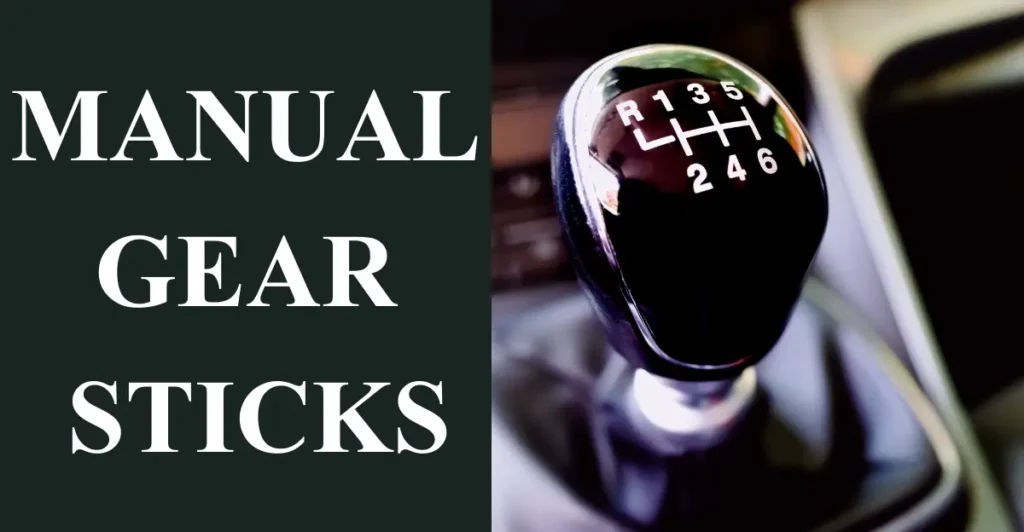
The manual gear stick remains a thing of beauty in classic cars, where old fashioned gear sticks gave driving purists the tactile joy of changing gears with a good old five stick or six stick. This is far removed from the flappy paddles, small toggles, or steering wheel column controls found in modern cars and premium cars today.
While manual gearstick use is becoming less and less common with hybrids and electrics slowly phasing in, the experience of exposed gear selectors that feel satisfying to use risks disappearing forever.
I’ve spent countless hours shifting through the gears of both classic cars and modern cars, and the precision, sound, and tactile feel of a proper manual gear stick is unmatched—it makes every drive genuinely engaging.
Handbrake Levers
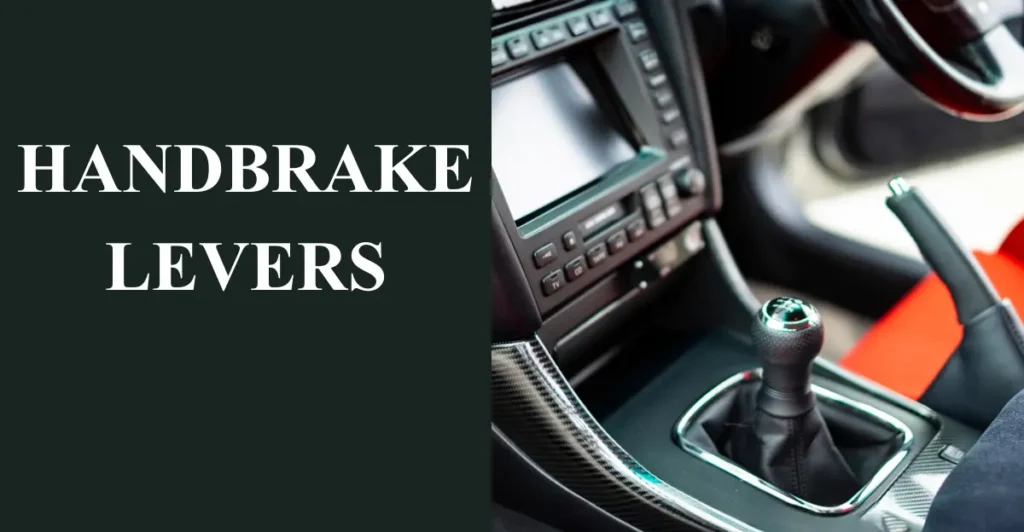
The classic hand brake is slowly disappearing from modern cars, replaced by electric handbrakes that save space and handle automatic road holding, leaving the traditional stick handbrake and good old lever as a nostalgic relic of the past.
Mastering handbrakes through learner driver exercises, practising hill starts, or even handbrake turns gave drivers a tangible connection, as the traditional handbrake lever was truly connected to the car, unlike the electronics in new cars.
From my experience restoring and driving classic cars, the satisfaction of pulling a genuine handbrake lever gives a level of control and confidence that modern electric handbrakes simply cannot replicate.
Actual Keys

The actual keys that allow you to key in the ignition in classic cars gave a reassuring feel and a solid feel every time you entered the car and started the car. Unlike start stop buttons, keyless entry, or other electronic gadgetry that rely on electronics and can sometimes let you down, the first set of car keys always made starting your car feel like a sense of occasion.
Whether you were turning the ignition or flipping out your key holder to press the button, there was a tangible ritual in every drive that made you feel truly connected to the car and the road.
Handling actual keys gave me a tangible connection to every car I’ve owned, making the simple act of driving feel deliberate and rewarding, a small ritual that modern systems can’t replicate.
Thin A-Pillars
Thin A pillars in classic cars, especially in 1970s cars and 1980s cars, allowed for big windows, maximised visibility, and the freedom to move around in your seat and see around corners or certain bends. This design also helped save on weight while keeping the driving experience open and engaging.
Today’s modern cars feature wide A pillars for roof strength and window strength, prioritizing safety reasons but limiting visibility and creating a real pain for drivers, making such pillars a feature sadly confined to history books unless manufacturers dare to make a comeback at the expense of safety.
From my experience driving classic cars, the combination of thin A pillars and large glass made every journey feel open and immersive, showing how driver enjoyment was prioritized alongside engineering.
Larger Rear Windows on Hatchbacks
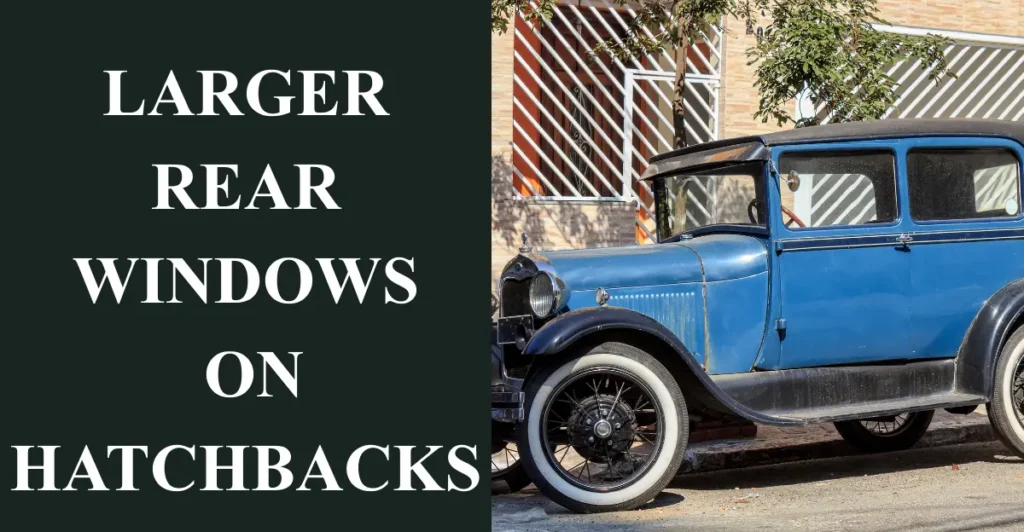
Larger rear windows on hatchbacks, like the retro Ford Fiesta or the original Fiesta, offered superb visibility in all directions, making driving much easier compared to modern hatchbacks or even new Ford Fiesta models, which often have a rear window small to strengthen bodywork and aid handling around corners.
While smaller windows improve safety and vehicle rigidity, the hatchbacks of old made every maneuver more intuitive, with bigger rear windows helping drivers see all directions and making easy to park a natural experience rather than a parking difficulty.
Driving older hatchbacks taught me how much rear visibility changes the confidence of a driver; I still prefer cars where I can truly see behind me without relying on mirrors or sensors.
Pop-Up Headlights
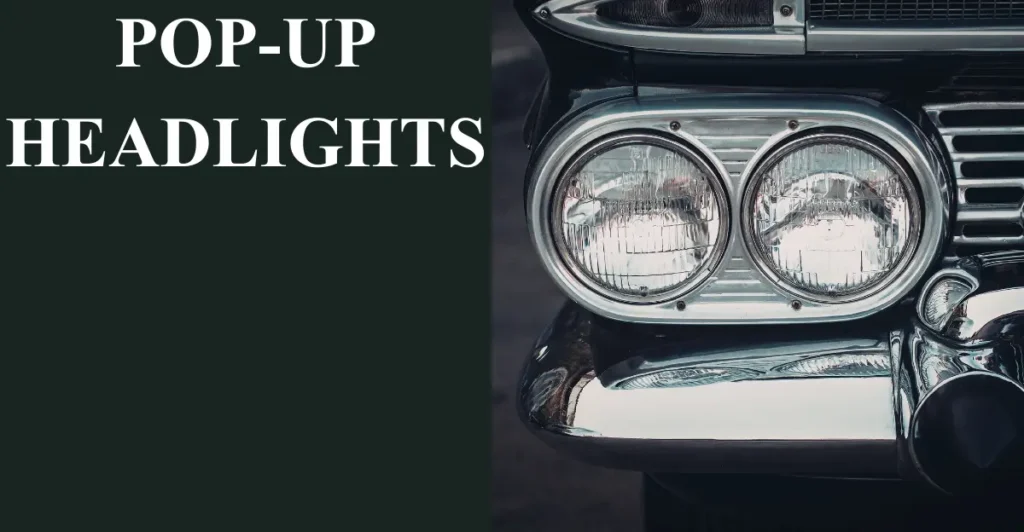
Pop up headlights, introduced as far back as the 1930s and popularized in 80s design on cars like the Lotus Elan, Saab Sonnet III, Lancia Stratos, and Lamborghini Countach, gave classic cars a space age flair, offering a sense of fun and sense of occasion when switching on lights.
Unlike electronic lights in modern cars, which are hidden from view and designed for clean design or sleek design, these head up lights were a playful interaction with the bonnet, appearing only when in use and adding personality to every night drive.
I’ve always found that pop up headlights make a car feel alive, and operating them brings back the excitement and engagement that modern cars rarely offer.
Vent Windows

Vent windows in classic cars, especially in 1950s cars and 1960s cars, were small panels built into the front windows that opened outwards, letting in a gentle breeze to improve cabin airflow without lowering the main side windows.
Popular in 1950s American models, these windows were practical for smokers windows, allowing drivers to flick ash and reduce smoke at the wheel, and also added a cool design element that is sadly absent in most modern cars.
Even as the decline of smoking made them less necessary, vent windows remain a stylish reminder of how function and form could blend seamlessly.
I’ve often driven classic cars with vent windows on hot days and loved how they provided fresh air and a sense of connection to the surroundings, something modern climate control just cannot replicate.
Retro Steering Wheels and Dashboards
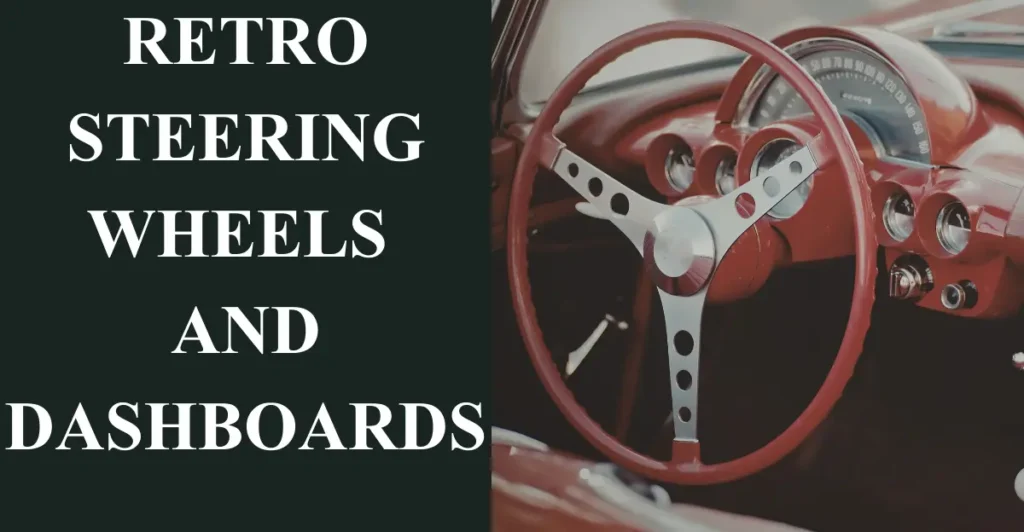
Retro steering wheels and dashboards, like the MG vintage steering wheel or the Jaguar E Type’s leather and chrome dash, gave classic cars an unmistakable retro appeal, combining wood trim, leather trim, and exposed metal with practical control panels.
In contrast, modern car dashboards often feel like a sea of plastic in black interiors or grey interiors, lacking character and sometimes feeling cheap and nasty, whereas old dashboards were reassuringly solid and offered a perfect driver seat view.
From my experience restoring classic cars, sitting behind a retro steering wheel gives a tactile pleasure and sense of control that modern plastic-laden dashboards simply cannot match.
Simplicity Under the Bonnet
Simplicity under the bonnet in classic cars made older cars a joy to tinker with, offering a simple layout that was easy for the average car owner to fix or service.
Unlike modern cars, which are complicated machines full of electronic wizardry, added electrics, and systems in newer cars that are often tricky to work on, classic cars remain collectable because their under-bonnet design invites hands-on interaction.
Working on classic cars has taught me patience and satisfaction, as identifying and repairing faults manually feels far more rewarding than relying on gadgets in new cars.
CD and Cassette Players
CD players and cassette players in vintage car radios offered nostalgic playback, letting drivers enjoy playing music in car from CDs, cassettes, or carefully curated road trip playlists.
Carrying tapes, CDs, a CD carry case, or storing them in the glovebox meant the right tape or disc slot was always at hand, a tactile experience that new cars with streaming music cannot replicate.
I’ve often reminisced about road trips where swapping cassettes or CDs added a fun, hands-on element to the journey that streaming apps simply cannot capture.
Bench Seats
Bench seats in early cars allowed friends or siblings to ride shotgun on the front seat, often cramming passengers together, cosying up with your better half, or simply enjoying the wonderfully retro layout reminiscent of films like Grease.
While not the safest or the most comfortable, these old cars offered a classic feature that encouraged social interaction and a shared sense of fun behind the wheel.
I’ve driven cars with bench seats, and the nostalgic feeling of stretching across the front seat or sharing a ride feels unmatched, giving every journey a playful, retro charm.
Conclusion
Rediscover the timeless charm and character of classic cars, from manual gear sticks to vent windows and retro dashboards, where driver enjoyment and fun come first. Embrace the joy to tinker and vehicle enjoyment that modern cars often lack. Explore our full guide to bring the spirit of classic features back to your drives today!
FAQS
What are the features of vintage cars?
Memory Seats (1980s)
Heads-Up Display (1980s)
Adaptive Cruise Control (1990s)
Rain-Sensing Wipers (1990s)
Night Vision Systems (2000s)
Voice-Activated Radio Controls (1990s)
Air Conditioning Controls for Rear Passengers (1960s)
Swiveling Headlights (1960s)