Choosing the right fuel for your classic cars is crucial because older motors were designed to run on high-octane and sometimes leaded petrol, ensuring the proper octane rating keeps your car safe on the road and satisfies enthusiasts’ expectations.
Since the majority of traditional fuels were axed for environmental reasons, it can be difficult to find the right alternatives, especially for vehicles typically maintained from the early 2000s. If you recently bought a classic car, buying the proper fuel is essential to keep your car running smoothly and preserving its performance.
Table of Contents
Why are Some Modern Fuels Bad for Classic Cars?
Modern unleaded fuels often aren’t suited for old cars because they lack the lead compounds that built engines need to protect valves and prevent wear. Older-style engines may suffer serious damage when ignition firing is affected, and the high octane level required for some pure petrol variants is almost phased out in the UK, leaving only a handful of suppliers offering pumps with good match fuels.
Ethanol, added in small quantity to make environmentally-friendly petrol, can be hygroscopic, meaning it:
- Absorbs moisture that condenses in the tank
- Causes rust in components, especially when stored for long periods
- Acts as a solvent, which can corrode materials like rubber and fibreglass, both of which are often found in classics
Diesel variants, launched later, contain greater corrosive compounds and produce less power, making performance not as good.
For owners who rely on older cars, it’s now even harder to find low ethanol fuels that work well, and companies that provided standard mixed fuels before 2000 have mostly banned them. This means careful selection of the right types is essential to keep engines safe and maintain performance over long-term storage.
From my experience working with classic cars, I’ve seen engines suffer valve wear when modern unleaded fuels were used for extended periods, and switching to low-ethanol or high-octane alternatives made a noticeable difference in performance and engine longevity.
Which Fuels Work Best in Classic Cars?
For collector cars, the good fuels are those containing little or no ethanol, keeping your car safe on the road and preventing corrosion. A few different options available come from specialist pumps or formulated fuels for older engines, ensuring smooth running and reliable performance.
High-Octane Fuel
A handful of suppliers in the UK still offer high-octane petrol often billed as performance-enhancing and designed for sports cars, and these fuels with a high-octane rating also suit older engines. Some still contain up to 5% ethanol, and products like Power Booster help control power levels so you get the right performance for your classic car.
From my experience, running high-octane fuel in a classic car that tolerates it brings sharper engine response, smoother acceleration, and a more connected feel to the steering, wheel, and interior.
Standard Low-Ethanol Fuels
High-octane fuel is ideal, but many classics run perfectly well on lower octane petrol, especially if ignition has been adjusted to counteract combustion rate changes. Many standard fuels now contain up to 10% ethanol, so you need to do research to find one with the lowest amount, searching different fuels and looking for the E sign showing percentage ethanol, e.g., E10 contains 10% while E5 contains 5%.
From my experience, using low-ethanol fuels keeps ignition stable, reduces corrosion, and ensures the classic car performs consistently on the road.
LPG
If you are willing to sacrifice some authenticity, a classic car can exchange its fuel system to run on LPG, a cheap, readily-available, and environmentally-friendly fuel. Converting to Liquefied Petroleum Gas is growing in the UK, with drivers favoring affordability and reduced CO2 emissions, though fuel tank conversion can be quite expensive, and car owners must accept the new fuel system.
From my hands-on experience, LPG conversions are excellent for regular driving, but they slightly change engine sound and feel, and some owners miss the original petrol character.
Converting to Modern Engine
Many classic car owners simplify the problem by converting to a modern engine system, allowing the use of standard fuel without worries. LPG conversions can be expensive, and some prefer to keep the original condition, so alternatives must be considered carefully if you top up regularly.
From my experience, modern engine swaps eliminate fuel headaches completely, though they alter originality, but proper planning ensures long-lasting performance and peace of mind.
What Will Electric Mean for Classic Cars?
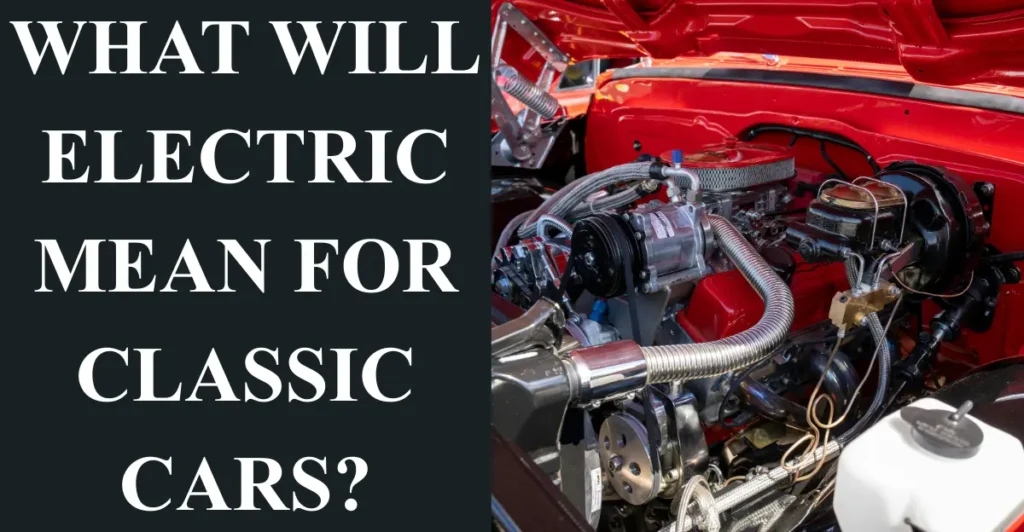
The rise of electric cars and the governmental push for sustainable, unleaded fuels means classic car owners are facing a time of technological progress that could make finding traditional fuel increasingly difficult at local forecourt stations.
Over the next five years, the UK government’s intention to continue promoting electric motoring and the ever-decreasing availability of super fuels means ownership of older cars will likely become less certain, leaving enthusiasts looking for reliable sources of fuel that don’t endanger their vehicles.
With VW and other companies producing the world’s first fully synthetic fuel, a successful, manmade, long-term solution could translate into compatibility for classic cars, but for now it remains a matter of speculation among industry experts about the future prospect and horizon of motoring.
From my experience, keeping a classic car running smoothly in this transitional era requires planning ahead, balancing traditional fuel use with an eye on emerging synthetic or electric-compatible solutions, ensuring your car stays roadworthy for years to come.
Conclusion
As electric cars continue to rise and traditional fuel becomes less readily available, classic car owners must plan for the future to keep their vehicles running smoothly. Exploring synthetic fuels or alternative sources now ensures long-term performance and preserves your classic car’s value. Stay ahead of technological progress and secure your car’s roadworthy future by researching the best fuel options today.
FAQS
What is the best fuel for classic cars?
For many classic cars, ordinary Euro 95 is more than sufficient. It is important however, to ensure that not too much ethanol has been added.
What kind of gas should I put in a classic car?
Depending on how you are going to drive it, regular 87 octane should be fine. If you hear an engine knock (detonation) then move up to premium. These engines were designed for leaded fuel and if the engine is all original and you are going to drive the car every day, then add a lead additive to the fuel.