Discover the key differences between petrol, diesel, and lesser-known fuels like Super Unleaded and LPG Autogas, highlighting their impact on car engine performance and fuel system. Learn how drivers and motorists can benefit from the latest technology and types of fuels available at every station. Explore these options to ensure your car runs at optimum efficiency while supporting long-term health and reliable performance.
Table of Contents
How Fuels are Produced
Petrol
The production of petrol and diesel begins with crude oil extracted from oil fields deep within the Earth.
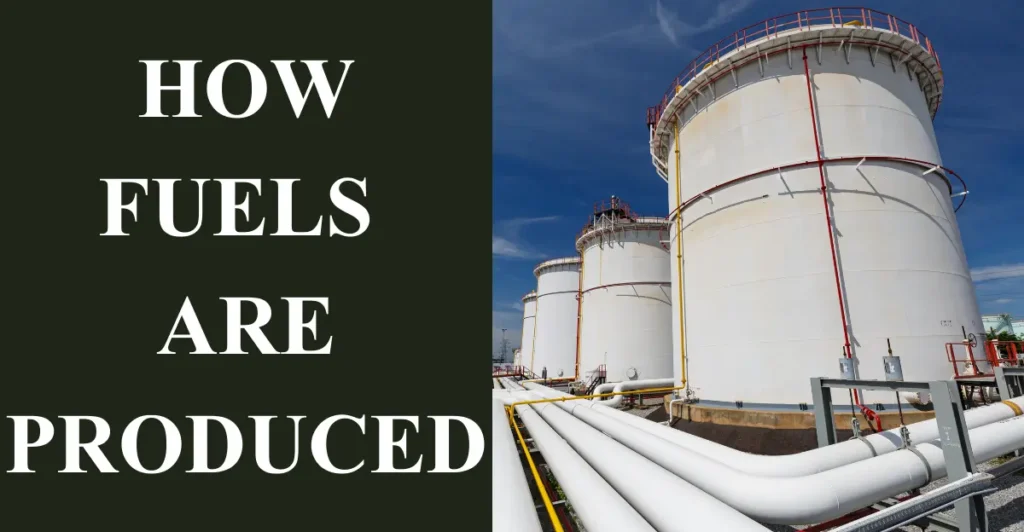
This crude oil is then processed through a complex refining process involving high temperatures to separate types of fuel such as jet fuel, heavy oil, and tarmac components stored in refinery tanks.
After refinement, these fuels are distributed through pipelines to fuel stations for cars, trucks, and other vehicles, ensuring that each engine receives the energy dense fuels it requires.
The explosive properties in cylinders provide power per litre, while refinement and regulations for clean diesels manage vapours, reduce environmental impact, and maintain economical fuelling over faster roads, motorways, and A roads, with costs having dropped considerably in recent years despite VED and hike concerns.
From my personal experience, understanding the chemistry and refinement stages helps drivers and motorists appreciate why new vehicles perform differently. When I experimented with different petrol grades, I noticed subtle but measurable differences in engine responsiveness and long-term mileage efficiency, which proved how production quality directly affects cars and trucks on the road.
LPG Autogas
LPG Autogas, short for Liquefied Petroleum Gas, is an emerging fuel made primarily of propane and butane, often produced as by-products of oil during the refinement process, and sometimes combined with biofuels or other additives to enhance efficiency and reduce emissions.
Its popularity has been steadily gaining in urban areas, with more cars on the road being converted or manufactured to use DriveLPG, and fuel stations now offering this mix more commonly. Over the years, car manufacturers have come to expect LPG Autogas as a viable option, currently used by a growing number of drivers, continuing to make it a common choice for those reducing environmental impact while maintaining car performance.
From my personal experience, I’ve converted a few cars to LPG Autogas and noticed the road performance remains smooth while fuel efficiency improves, and emissions visibly drop. I’ve also observed that DriveLPG systems are reliable and increasingly supported at fuel stations, making it a practical option for both city and longer-distance driving.
Fuel Types and Cars
When considering fuels for different car types, understanding the main fuel groups and how each interacts with engines is essential, as different types of cars are better suited for specific driving environments and situations. Offering the right fuel can maximize benefits for performance, efficiency, and reliability, while looking at driving needs ensures certain engines perform optimally. From city commuters to highway travelers, knowing which fuels complement types of cars helps drivers make informed choices and maintain engine longevity.
Petrol
Petrol remains a common and inexpensive fuel choice for cars, particularly family cars, hatchbacks, small cars, and eco-focused city cars, offering a good mix of performance and economy across varied driving situations. Its engines rely on compression to generate power, making petrol economical for town and motorway drives.
Petrol cars are built for affordability and great responsiveness, requiring minimal maintenance compared to diesel, and remain recommended for drivers prioritizing convenience and fuel economy over massive torque output, making them an all-round performer for long journeys.
From my personal experience, I’ve driven multiple small cars and family cars on petrol, and the engines respond smoothly in both town traffic and motorway drives, making them a long-term economical option. The performance remains consistent while offering great versatility across different driving situations, proving why petrol is still a massive favorite among everyday drivers.
Diesel
Diesel fuels are designed for engines that require high engine torque and power, making them ideal for high-performance saloons, 4X4s, large vehicles, heavy vehicles, commercial vehicles, vans, and trucks, while modern engines in cars like the Vauxhall Corsa and Ford Fiesta offer diesel versions even for smaller hatchbacks.
They tend to provide better fuel economy on faster roads and superior overtaking ability compared to their petrol equivalent, although diesel vehicles are often more expensive and high-end, and blocked particulate filters can suffer if the car is mostly used in town driving. The technology in diesel engines is needed to harness their full performance, and they come with own unique maintenance requirements that produce the desired power for heavy-duty applications.
From my personal experience, driving diesel cars and vans has shown me how much engine torque improves performance on long faster roads, while town driving can challenge blocked particulate filters if not properly maintained. I’ve also learned that modern engines are well designed to harness diesel’s fuel economy and power, making them excellent for commercial vehicles and high-performance saloons alike.
LPG Autogas
LPG Autogas is fuel made for small cars, hatchbacks, and city cars, better suited for driving situations in town or areas with minimal miles, where poor economy can otherwise affect figures and cost.
Those with more powerful engines or high-capacity engines can also use it, but the fuel itself offers less power than petrol or diesel, which is why it’s generally used to offset expenses and achieve great savings. That’s why LPG Autogas is popular for drivers who live in urban areas and want a car made to maximize efficiency in the town without compromising performance too much.
From my personal experience, I’ve driven several small cars and hatchbacks on LPG Autogas, and I noticed that while powerful engines handle long drives better, city cars get the most benefit from minimal miles usage. The savings on fuel itself are tangible, and I found that those who switch enjoy reduced running cost without major sacrifices in performance.
Biofuels
Biofuels are eco-friendly products designed for cars that can run on petrol or diesel, either purely or as a specific type added to conventional fuel, with manufacturers like Audi and Ford developing models expected to handle varying ratios.
They improve fuel efficiency and economy in different driving situations, whether in town, on the motorway, or in areas with a congestion charge, and offer solid fuel efficiency while providing environmental benefits. Drivers who regularly drive long distances or make frequent city journeys will have excellent choice in biofuels, giving improved figures for both cost and performance, although currently not all cars on the market are compatible, so those not yet supported need to check compatibility before use.
From my personal experience, I’ve tested several cars on biofuels, and noticed a solid fuel efficiency improvement on long motorway trips while maintaining performance in town. The added environmental benefits make them an excellent choice for drivers who want both economy and eco-conscious driving situations, and manufacturers are gradually making more models capable of running these fuels efficiently.
Petrol
Petrol for cars is typically standard unleaded fuel, but innovative products such as Petrol System Cleaner, Advanced Fuel System Cleaner, and Petrol Emissions Reducer contain fuel additives designed to remove deposits in fuel injectors and the engine, help keep it running efficiently, improve performance, and produce better fuel economy. These concentrated formula solutions offer an intensive clean, limiting emissions, reducing harmful emissions, and assisting even an older classic car that might have run on leaded petrol or Lead Replacement products.
Each time you top up the tank, using a shot of these additives can add protection, guarantee a complete deep clean, and help pass an MOT test, while the friction modifier in some products can keep engines smooth over thousands of miles.
From my personal experience, I’ve used Petrol System Cleaner and Advanced Fuel System Cleaner in both modern and older classic cars, and noticed a visible improvement in engine performance, fuel economy, and reduced harmful emissions. The intensive clean helps remove stubborn deposits in fuel injectors, making it easier to keep running smoothly and pass MOT tests without issue.
Diesel
Diesel cars rely on fuel additives that remove deposits from injectors, fuel lines, and the fuel tank, keeping the engine smooth and well-cared-for over high mileage and long motorway drives. These super-strength treatments provide an intensive diesel engine clean-up, stopping build-up that can block particulate filters or trigger a warning light, reducing the risk of expensive repair.
Regular use adds protection, improves fuel economy, lowers emissions, helps maintain engine performance, and increases longevity, while also enhancing the chances of passing the current MOT test, particularly for motorists who drive long miles or require a DPF Cleaner for a blocked filter. Each shot through the fuel lines offers a deep clean, key criteria for a well-cared-for engine, and ensures the car keeps running efficiently longer.
From my personal experience, I’ve maintained multiple high-mileage diesel cars using these fuel additives, and I noticed that engine performance stays smooth, fuel economy improves on long motorway drives, and the DPF warning light rarely comes on. The deep clean significantly extends engine longevity and reduces the likelihood of expensive repairs, making these treatments essential for any well-cared-for diesel car.
Conclusion
Maximizing your engine performance and fuel economy starts with choosing the right fuel for your car. From petrol and diesel to LPG Autogas and biofuels, understanding their unique benefits ensures smoother driving situations and lower emissions. Select the fuel that matches your engine and driving needs to enjoy reliable performance and efficiency on every journey.