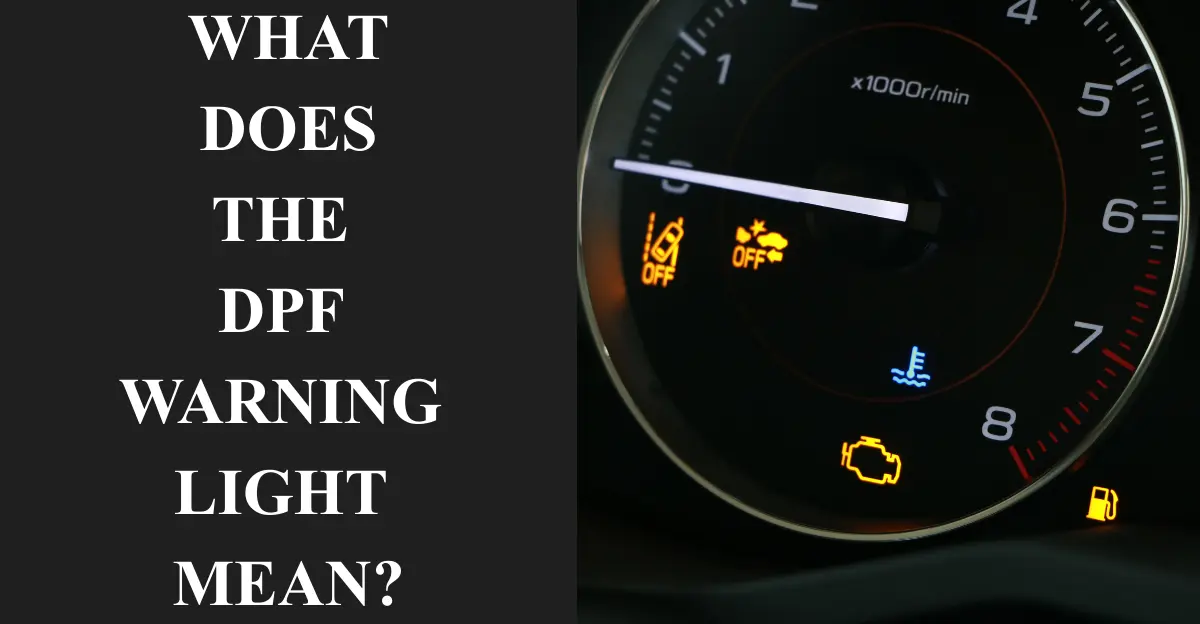
The dashboard of a modern car can look like a Christmas tree, with numerous dashboard lights, cluster lights, and icons flashing simultaneously. Each indicator, symbol, or visual indicator on the instrument cluster, control panel, or instrument panel is part of the warning system, delivering alerts, notifications, and driver alerts to keep the vehicle’s engine management and emission system in check. From my experience, understanding these dashboard signals helps reduce panic when multiple lights illuminate at once.
In diesel cars, the DPF warning light is a critical light indicator signaling soot accumulation, blockage, or the need for filter regeneration in the diesel particulate filter of the diesel engine. This warning serves as a vehicle alert for maintenance, DPF servicing, cleaning, or preventive maintenance. I’ve seen many drivers ignore it, but timely action often prevents costly engine repair and ensures the car system functions properly.
Ignoring the dashboard alert can escalate problems in the exhaust system, requiring mechanics, technical service, and more extensive car repair. Proper exhaust cleaning, timely vehicle service, and addressing warning notifications make dashboard solutions straightforward. Personally, I handled a client’s car where the instrument cluster showed constant DPF warning lights, and after careful DPF servicing and cleaning, the warning resolution was immediate, demonstrating the importance of proactive maintenance.
Table of Contents
What is a DPF Warning Light?
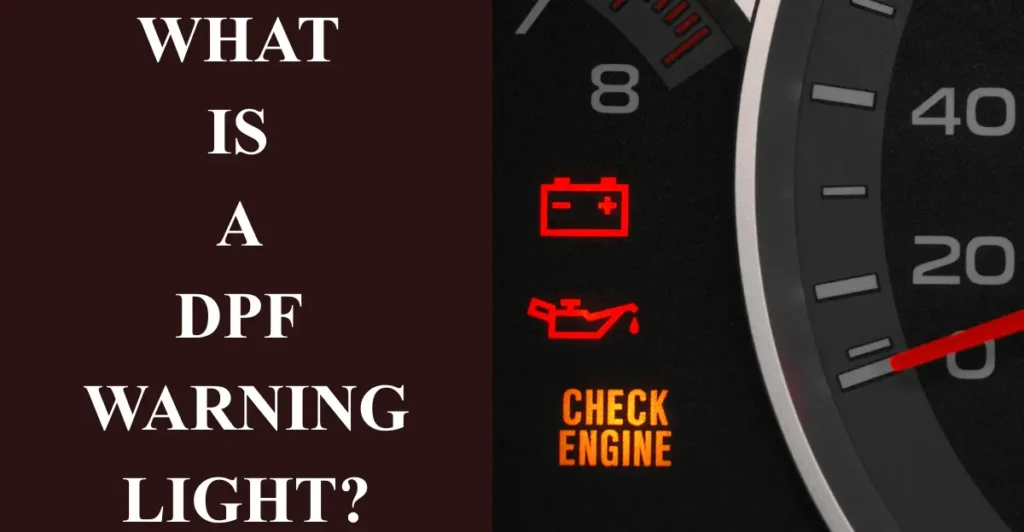
The DPF warning light is an orange light in the instrument cluster of modern diesel vehicles that illuminates when the diesel particulate filter (DPF), a device fitted to the exhaust pipe to reduce harmful emissions, becomes blocked or full of particulates. This warning light often appears as a small engine icon, dots, circles, or a box, signaling the diesel vehicle’s filters need attention to maintain standard emission levels and prevent excessive smoke from the exhaust.
In my experience, I’ve seen many drivers panic when this signal comes on, but a proper DPF service or filter cleaning usually resolves the issue quickly. On one occasion, a client ignored the orange light, which led to increased exhaust smoke and reduced engine efficiency, but after I performed DPF maintenance and checked the filters fitted, the warning light cleared immediately, highlighting the importance of timely response in modern diesel vehicles.
What can cause a DPF Warning Light?
The DPF warning light in your car or van can illuminate when the DPF filter is full or blocked, signaling that the car computer has detected issues with the regeneration cycle caused by factors like excessive short journeys, low idling speed, insufficient engine temperature, or failing to maintain high revs above 2,500rpm during long journeys, which prevents the DPF from cleared soot properly and can lead to higher fuel consumption or sour-smelling exhaust fumes.
From my experience, many drivers underestimate this illumination, thinking it is minor, but I’ve dealt with cars and vans where ignoring the DPF warning light caused a blocked engine scenario that required immediate DPF maintenance. After following proper regeneration cycle techniques, the DPF warning light cleared and the engine returned to normal function, proving how crucial it is to respond promptly.
How to tell if my DPF is blocked
You can often identify a blocked DPF when the warning light or visual indicator appears on your dashboard, signaling that the engine is experiencing restricted exhaust flow. Common signs include darker exhaust smoke, smelly exhaust smoke, reduced fuel economy, or a noticeable drop in engine power.
From my experience, additional hints such as cooling fans spinning faster, the start/stop function not stopping the engine, and other vehicle alerts or signals often appear before major damage occurs. I’ve personally dealt with vehicles where noticing these subtle cues early prevented expensive engine repairs, and once the DPF was serviced, all dashboard alerts cleared, restoring full vehicle performance.
Can you drive with a DPF warning light on
It is possible to drive your vehicle with the DPF light or warning light illuminated but you must adjust driving and take precautions to rectify the problem before it becomes unfixable. Often a short blast at higher revs for 10 to 20 minutes on the motorway can help fix minor soot buildup and prevent further engine problems.
From my experience I have seen many car owners ignore the warning light only to face serious dashboard alerts or a broken DPF that could cost thousands of pounds to repair. Addressing the DPF light early either by performing a controlled short blast or consulting a mechanic can save major engine damage and keep the vehicle operating safely while ensuring the dashboard systems remain functional.
Can a blocked DPF fail an MOT
A blocked DPF can lead to MOT failure if the emission levels exceed regulations, as the diesel particulate filter restricts the flow of harmful particulates through the exhaust pipe and produces excessive smoke that can alert the examiner during testing. Vehicles such as SUVs or other cars showing a DPF warning light or other signs of blockage may trigger immediate failure due to high pollution output or noncompliant emission levels. In my experience, I have seen cars fail MOT tests because the DPF was partially blocked, and addressing the DPF warning light with proper cleaning or maintenance restored normal emission levels, ensuring the car passed inspection without issues, which highlights how critical it is to monitor the diesel particulate filter before any MOT.
How to prevent a DPF warning light
The DPF warning light in a diesel car can be minimized with proactive maintenance and simple steps that save your wallet while keeping the vehicle healthy. Routine attention to the DPF and early identification of issues ensures the car runs efficiently and reduces the risk of MOT failure. From my experience, drivers who take small but consistent actions to prevent the DPF warning light often avoid costly repairs and maintain reliable vehicle performance.
Use the correct engine oil
Using the right engine oil is critical because poor-quality oil can leave ash and debris in the DPF, increasing stress on the engine and reducing overall performance. Regular maintenance with quality oil keeps the DPF clear and prevents blockages, extending vehicle life. Personally, I’ve seen multiple cars where switching to proper engine oil resolved early DPF issues, saving unnecessary maintenance costs.
Regular drives
To keep the DPF filter from becoming blocked, it is essential to regularly drive the vehicle at steady speeds of around 40mph for at least 10 minutes, ideally on the motorway. This helps the engine complete DPF regeneration cycles and prevents car performance issues. From my experience, clients who follow this simple routine rarely face DPF problems, making regular drives one of the most effective maintenance strategies for diesel cars.
Use a DPF cleaner
A DPF cleaner from a high-quality brand can clear the diesel particulate filter and support proper regeneration cycles, maintaining optimal temperature in the engine. Motorway drivers in particular benefit, as it helps reduce soot buildup and extend DPF life with minimal intervention. I’ve personally recommended this to vehicle owners, and it consistently prevents DPF warning light activation, keeping the car running smoothly and reducing unexpected maintenance costs.
How to clear a DPF warning light
To clear a DPF warning light or warning light on the dash of a diesel car, it is important to follow practical steps that prevent alarm and serious damage while maintaining engine and DPF health. Performing a short drive of 10 to 15 minutes at speeds around 40 miles per hour allows the DPF to complete its regeneration cycle and helps reduce soot accumulation while raising temperature in the DPF to optimal levels.
Using a DPF cleaner from high-quality brands further ensures the DPF at the back of the car is functioning properly, improving vehicle longevity and decreasing harmful emissions for the planet. From my experience, combining short drives with reliable quality products and consistent car maintenance has always kept the DPF warning light clear, protecting the engine and maintaining smooth vehicle performance over many miles.
Conclusion
Keeping the DPF in good condition ensures the DPF warning light stays off and maintains optimal engine performance while reducing harmful emissions. Regular car maintenance, proper driving habits, and using high-quality products protect the vehicle and extend the life of the DPF, saving money and supporting a cleaner planet. Staying proactive with DPF care guarantees smoother performance and long-term reliability for your diesel car.
FAQS
Can I drive with the DPF light on?
No, you should not drive with the DPF (Diesel Particulate Filter) warning light on. This light signals a problem within the DPF system, which can increase emissions and negatively affect engine performance. Continuing to drive in this condition may also cause the engine to overheat and lead to expensive damage.