The fuel warning light signals the need for immediate attention, allowing you to drive safely and reach a fuel station without stress. Monitoring your remaining fuel, fuel gauge, and mileage ensures proper trip planning and maintains peace of mind during every journey. Stay alert, refuel on time, and treat the fuel light as a cautionary guide to minimize risk and enjoy a smooth drive.
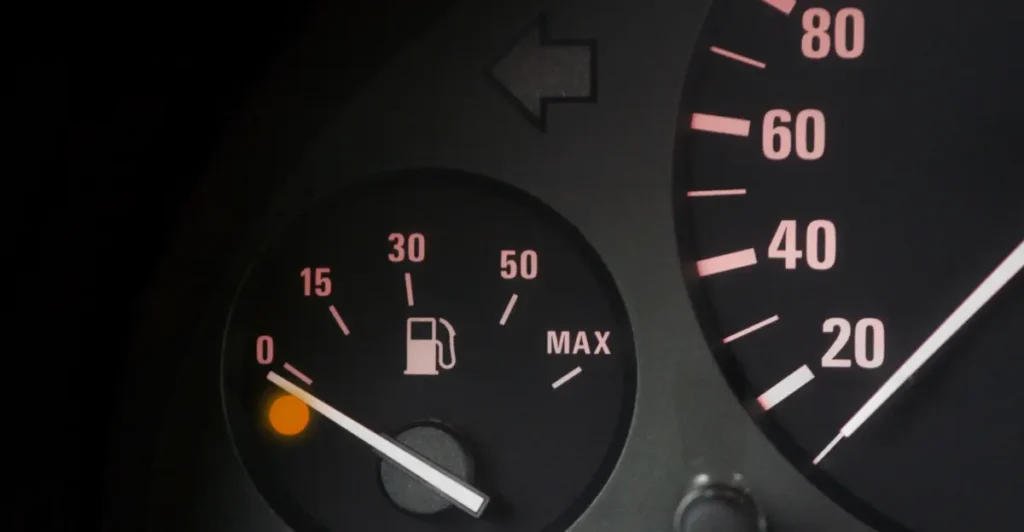
Table of Contents
How Far Can You Drive When Low on Fuel? Comparing Popular Car Models
The distance you can drive after the fuel warning or fuel light comes on depends on several factors including make, model, weight, passengers, driving conditions, and driving style. Car manufacturers often provide estimates for low-fuel warnings, but the exact figure varies between UK cars, best-selling cars, petrol, or diesel vehicles.
Most motorists can expect an average distance of 30 to 50 miles, though careful awareness of fuel level, steady versus flashing warnings, and timely refueling ensures safety and reduces risk of breakdown. Treat the fuel light as a cautionary tool, plan travel distance wisely, and always maintain preparedness for emergency stops to refill your tank.
Personal experience: In my experience with multiple car models, I have noticed that driving style heavily impacts the range after the fuel warning activates. On one trip with a best-selling car, staying steady and avoiding sudden acceleration allowed me to safely cover nearly the upper end of the average distance, proving the importance of awareness and caution over rushing to refuel.
Is It Illegal to Run Out of Fuel?
Running out of fuel while driving can turn into a nightmare of embarrassment and inconvenience, potentially causing disruption on a motorway or busy road. While running out of fuel is not automatically illegal, it can attract police attention if it leads to careless driving, inconsiderate driving, speeding, or road rage, risking accident and penalty points under driving rules.
Staying alert to the warning light, checking fuel level, and using apps or Google Maps to locate the nearest fuel station ensures safety and reduces risk. Responsible drivers always refuel before a fuel shortage escalates into an emergency, keeping travel, trip, and journey smooth while maintaining awareness of the impact of driving behavior on others.
Personal experience: On one long trip, I nearly faced running out of fuel on a remote stretch. By monitoring the warning light and quickly checking apps for the nearest fuel station, I avoided embarrassment and a possible violation, reinforcing the importance of caution, responsibility, and proactive fuel management while driving.
Can Running Low on Fuel Damage Your Car?
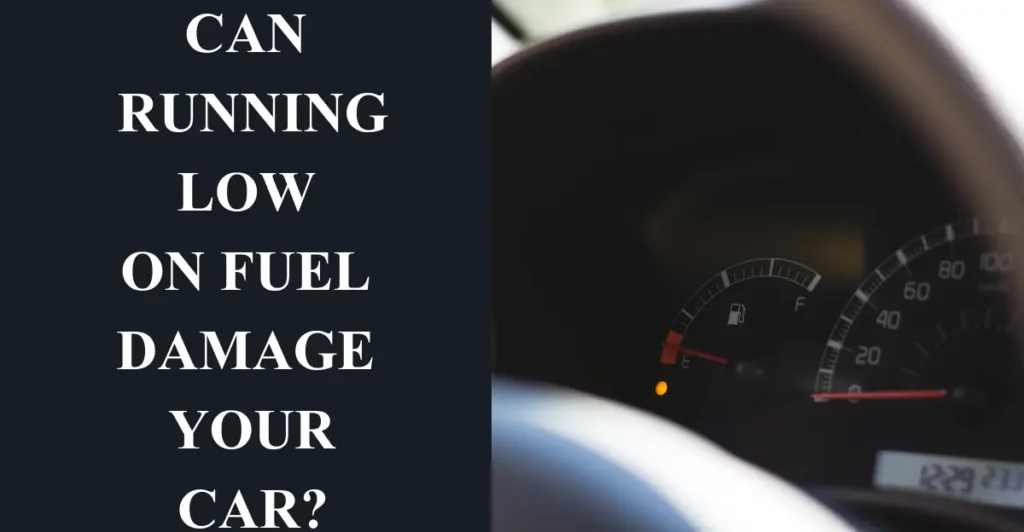
Maintaining fuel level is essential for vehicle performance and engine care, as running out of fuel or driving on a low tank can lead to engine damage and impact fuel system health. Dirt, particles, and corrosion at the bottom of the fuel tank can clog fuel lines, fuel injectors, and the fuel filter.
This reduces engine performance and strains the fuel pump, making regular refuel, careful fuel management, and awareness of warning lights crucial for safety. Such practices minimize risk and support consistent driving behavior while preserving overall vehicle health.
Personal experience: In my experience with multiple cars, I’ve seen low tank situations gradually clog fuel injectors when neglected, causing subtle drops in engine performance. By monitoring tank level and refueling before the warning light hits, I’ve avoided costly maintenance and kept driving smooth and safe, reinforcing the importance of proactive fuel management.
Conclusion
Maintaining awareness of your fuel level and responding promptly to the fuel warning light ensures safety, prevents engine damage, and maximizes vehicle performance on every journey. Understanding your fuel range, driving behavior, and refueling options reduces risk and keeps trips smooth and stress-free. Always plan your refuel, stay alert, and never ignore the warning light to enjoy a safe and worry-free drive.
FAQS
How many kilometers can I drive with the fuel light on?
There’s no hard and fast measurement—each automaker turns the light on with different amounts of gas left in the tank—but a general rule of thumb is between 50 and 90 kilometres.
Is it illegal to run out of fuel in the UK?
Whilst running out of fuel isn’t illegal in itself, under current legislation, drivers can be fined a minimum of £100 and three penalty points if their car obstructs the road as a result of an avoidable breakdown, or if running out of fuel is deemed to result in careless or dangerous driving.