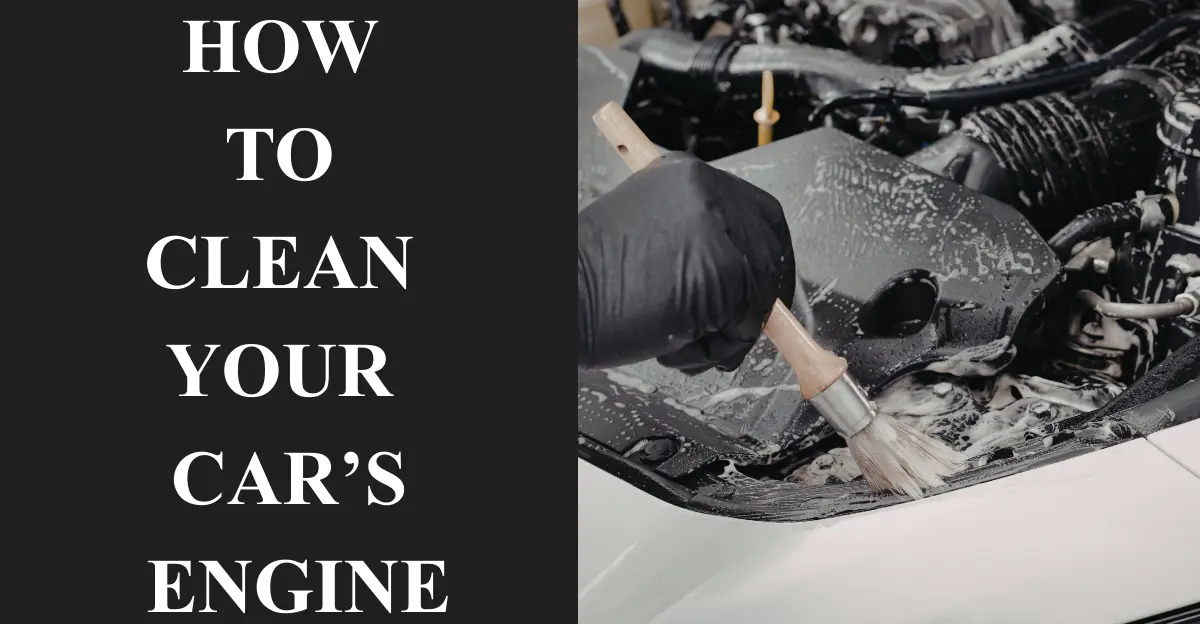
Keeping your car’s engine clean boosts performance and protects its resale value, ensuring every drive is smoother and worry-free. Many drivers neglect engine bay care, but with the right tools, products, and precautions, a gleaming and well-maintained engine is easily achievable. Start cleaning today by following our step-by-step guide to use the best techniques and tools for lasting results.
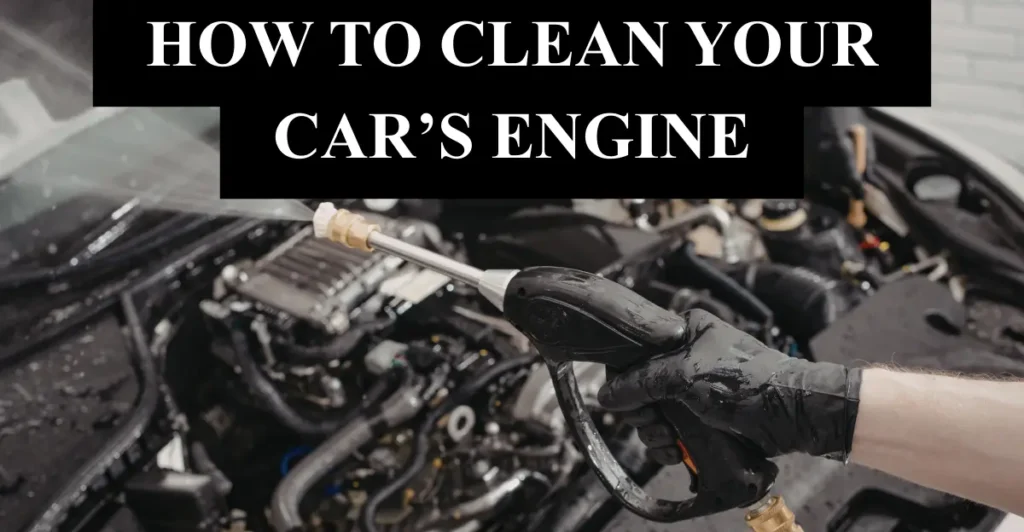
Table of Contents
What You’ll Need

Engine cleaning starts with gathering the right tools and products to reach every nook and cranny under the bonnet.
- Electrics should be protected with plastic food bags or cling film before applying quality spray cleaner, trigger-action spray cleaner, or engine degreaser to remove dirt, oil, and residue.
- Brushes with stiff bristles or a wheel cleaning brush help clean hard-to-reach areas effectively.
- Rinsing carefully with a hose or pressure washer protects connections while removing loosened grime.
- Drying with a microfibre towel ensures a polished finish and prepares the engine for engine enamel, providing a protective coating that is durable and withstands 800°C.
- Trim care with black plastic trim restorer or plastic covers keeps surfaces shiny, restored, and modern, maintaining the type and overall look of the engine.
From my personal experience, starting with proper engine protection and using the right tools makes cleaning faster and safer. Regular application of engine enamel and trim restorers keeps my engine gleaming, reduces maintenance effort, and gives me confidence before every drive.
Safety Tips and Precautions

Before cleaning your engine, it’s essential to take a few precautions to avoid damaging critical components.
Start by reviewing the safety tips provided and clean up any loose debris around the engine bay.
Paying attention to these things will help your engine look its best without worrying about accidental harm, making the process smoother and more efficient.
Cover Electrical Components
To protect sensitive electrical components while you clean your engine, it’s crucial to cover key areas such as wiring, wires, cables, battery housing, and alarm systems.
Use food bags, cling film, plastic wrap, or elastic bands to create a tight seal around exposed cables and electrical connections, keeping water and moisture away. Ensuring every electrical connection is properly shielded leads to fewer problems and maintains the best performance of your battery and other systems under the bonnet when applying cleaning solution.
From my personal experience, taking the extra time to cover electrical components properly has saved me from short circuits and damaged alarm systems on multiple occasions. I’ve found that using cling film combined with elastic bands for a tight seal makes cleaning easier, allowing me to work confidently without worrying about moisture reaching exposed cables or wires.
Don’t Try Cleaning a Hot Engine
When dealing with a hot engine, safety is the top priority, so never start cleaning immediately after a drive or while the engine is still running. Direct contact with hot parts can cause burning, and steam from cleaner meeting hot engine surfaces is dangerous.
It’s always a good idea to let the engine cool down until it’s warm or slightly warm, which helps dirt and grime loosen and makes it easier to remove. Applying cleaner on a cool engine ensures more effective results and reduces risk of injury, leaving your engine ready for safe maintenance.
From my personal experience, I once attempted cleaning a hot engine, and the steam from a small patch of grime was enough to make me pull back immediately. Waiting until the engine was slightly warm not only improved the cleaning results but also gave me peace of mind, preventing burns and avoiding accidental damage to delicate engine parts.
How to Clean an Engine in 5 Easy Steps
Cleaning your engine is easy and safe when you cover electrics, use the right spray, and follow simple steps for a shiny engine bay.
- Engine preparation is crucial; ensure all electrics are covered and the engine is cool before you work, following simple steps to keep the engine bay clean and shiny.
- Cleaning spray should be applied evenly to the engine bay, covering corners, nooks, and crannies, allowing grime on exposed parts to soften from the bottom up without oversaturating the paintwork.
- Use a stiff brush or wheel cleaning brush to agitate dirt and grime, methodically targeting each component and awkward area in a twisting motion, taking care around covered electrical components.
- Scrubbed engine surfaces and hard-to-reach areas are rinsed using a hosepipe or pressure, ensuring residual dirt and cleaner are removed so the engine is clean and ready for drying.
- Microfibre cloth or towel is used to dry the engine, reaching all areas for a streak-free finish, while letting some spots air dry ensures you don’t worry about moisture lingering.
- Protective coverings are carefully removed from electrical components and the bonnet, leaving the engine looking good, new, and properly maintained; don’t forget any covered parts.
From my personal experience, tackling each step methodically and covering electrics properly has saved me from accidental damage. Applying cleaning spray and using a stiff brush the right way makes the engine bay shiny and keeps it clean longer, while careful drying and removing protective coverings ensures a professional finish every time.
Conclusion
Keeping your engine clean enhances performance and boosts your car’s resale value while extending its lifespan. Following these simple steps ensures a shiny engine bay and protects sensitive electrical components. Start cleaning your engine today to enjoy smoother drives and a professional, well-maintained appearance.