Keeping your car fuel system clean is vital for smooth engine performance, strong efficiency, and dependable reliability, as harmful deposits can build up inside the tank, lines, and injectors.
Follow this practical guide to support your vehicle, protect critical components, and reduce the risk of costly damage through a consistent maintenance regime.
Table of Contents
Do You Need to Clean Your Car’s Fuel System?
Keeping your car fuel system in optimal condition is crucial for properly running injectors, pump, nozzles, and other parts, as accumulated deposits, dirt, and debris can block fuel flow and reduce MPG while causing emissions to rise.
Regular cleaning and maintenance, including attention to filler caps, oil, and cooling systems, ensures the combustion process works efficiently and prevents excessive wear and tear on systems that are technically designed to perform at their best.
Many drivers underestimate the importance of annual service, but in practice, a well-executed clean of the fuel system restores efficiency, stabilizes fuel consumption per litre, and keeps the car running smoothly. From experience, even lightly dirty systems can cause noticeable drops in performance, so I always advise consistent attention to cleaning before problems escalate.
In my years of hands-on work, I’ve seen dirty fuel systems with clogged injectors reduce efficiency dramatically. Routine annual cleaning not only restores MPG but prevents costly repairs and extends the life of critical components, making it one of the most overlooked yet rewarding maintenance tasks.
Can I Clean a Fuel System Myself?
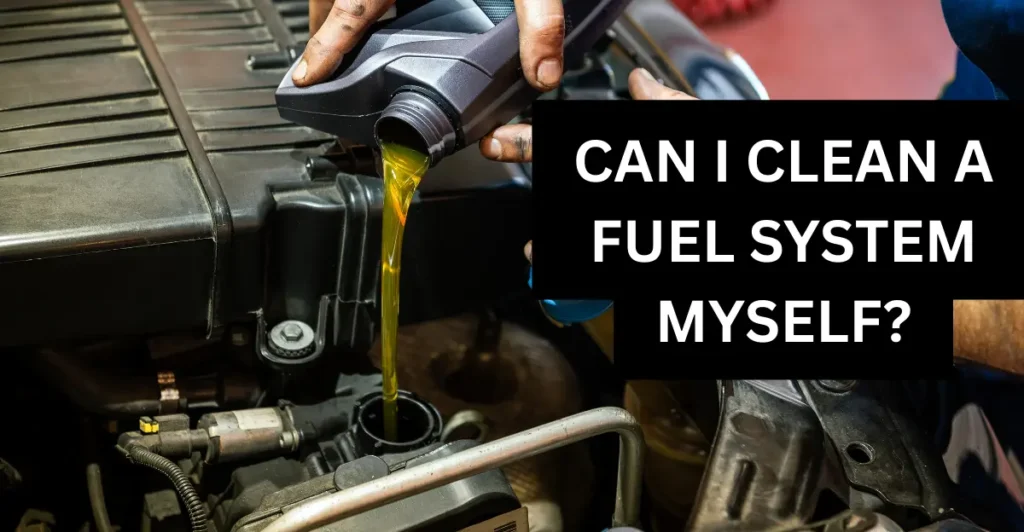
Cleaning a fuel system myself is possible with the right approach, products, and understanding of your car’s type, whether petrol, diesel, or hybrid, by taking the tank and lines apart or adding cleaner directly to the tank.
Using a range of specially formulated cleaners or a pressure washer carefully for blasting stubborn deposits allows the system to work the same way it would in professional cleaning, moving the fuel through injectors for better performance, reduced emissions, and maintaining peak efficiency.
This convenient method saves time while staying on top of cleaning and system health. In practice, I’ve developed routines where careful use of quality cleaners restores fuel flow and smooth operation in my own car, proving that DIY maintenance can be both safe and effective when done properly.
From experience, consistently cleaning my personal vehicles myself not only improved throttle response but also stabilized fuel consumption, showing that a hands-on approach with the right products and technique can maintain peak performance over years.
What Are the Benefits of Cleaning Your Car’s Fuel System?

Regular maintenance and cleaning of your car fuel system is a vital practice for maintaining the health of the engine and key components, ensuring that all parts function efficiently over the long time of vehicle ownership.
- Maintenance good practice: Consistent care of your own car and its fuel system, tailored to the model, ensures excellent health of components and parts, preventing premature wear and costly repairs.
- Improved engine health: A dirty fuel system can lead to clogged injectors, inefficient combustion, and increased strain on the engine, jeopardising performance and reducing the life of vital components.
- Optimal fuel economy: Keeping the system clean guarantees maximum mileage per tank, improving fuel efficiency in each combustion cycle and delivering better value, especially with fluctuating petrol and diesel prices or shortages.
- Reduce emissions and boost performance: A well-maintained fuel system helps reduce emissions while boosting performance, making the car run smoother and more responsively.
From personal experience, I’ve noticed that vehicles with consistently cleaned fuel systems not only run with smoother throttle response but also maintain higher fuel efficiency over years, proving that disciplined care pays off in both performance and long-term savings.
How to Use Fuel Additives to Clean Your Fuel System
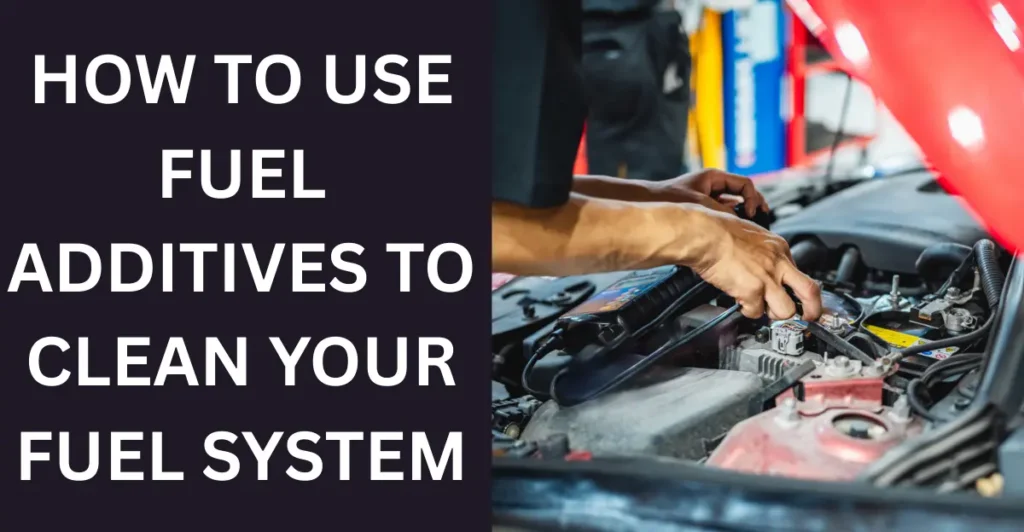
Using fuel additives is an easy way to clean the inside of your car fuel system, whether petrol, diesel, or hybrids, by adding the right product in the correct dose after refueling.
Most users find it quick and convenient, simply topping the tank, removing the protective cap, and inserting the neck of the filler with the marked dosages on the side of the bottle. The additives then work their way through the engines, injectors, and lines, removing deposits, dirt, and residue while reducing emissions.
This supplementary cleaning method is designed for specific jobs, ensuring normal driving restores performance and efficiency, letting the car fuel system stay clear and protected.
From personal experience, using the correct additives consistently has successfully prevented build-up in older engines and maintained smooth performance even on long trips.
I’ve also noticed that careful attention to marked dosages ensures injectors stay free-flowing, which is especially valuable for high-mileage vehicles and hybrids, saving time and avoiding costly manual cleaning.
Conclusion
Using the right fuel additives keeps your car fuel system clean, boosts performance, and protects engine components. Regular cleaning improves fuel efficiency, reduces emissions, and prolongs parts life. Add additives to your routine maintenance for smoother, more reliable driving.
FAQS
What are the symptoms of a dirty fuel system?
Contaminated fuel can cause engine sputtering, stalling, hesitation during acceleration, and decreased performance. You might also notice a check engine light.
Can fuel system cleaner damage a catalytic converter?
Since a fuel injector cleaner lubricates and then clears deposits, blockages, and silt. This does not hurt the fuel pump. However, be careful if your car has a newer system which can be manually cleaned or an older one. Fuel injector cleaner may cause problems with the catalytic converter or O2 sensors.