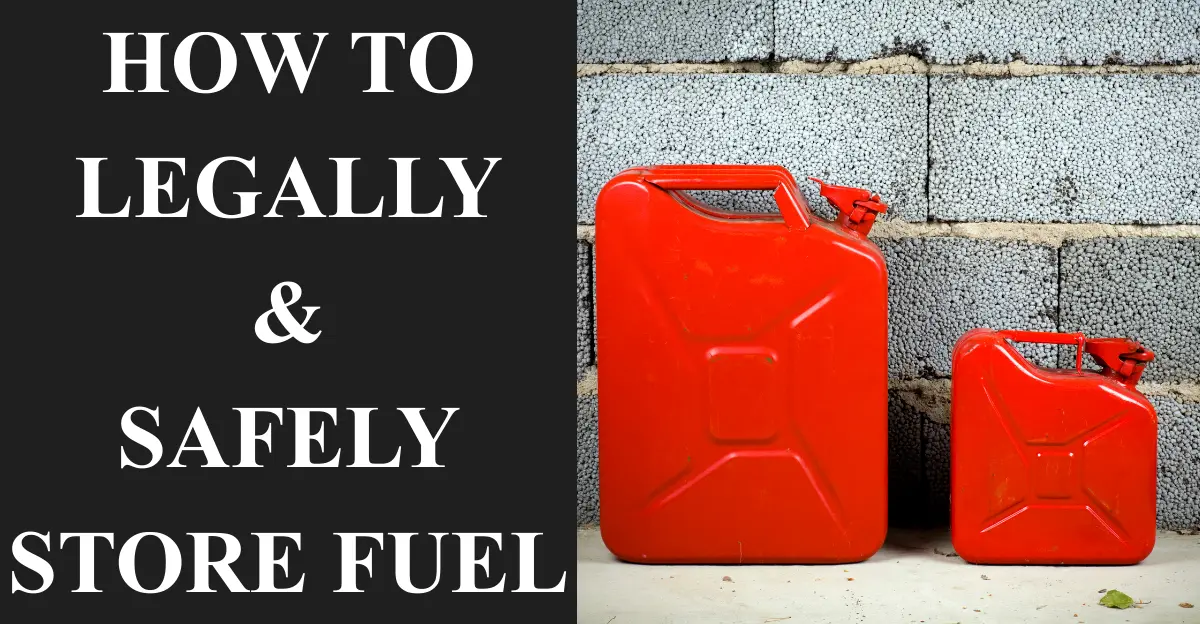
Proper fuel storage at home requires legal and safe ways to prepare for emergencies, unexpected situations, or agriculture needs, making safety paramount. Understanding professional methods for storing fuel ensures a reliable reserve while navigating the demands of modern life. Take action today to secure your fuel safely and confidently.
This blog serves as a guide for the intricacies of legally and safely storing fuel, covering permissible quantities, the right container types, safe storage locations, and shelf life considerations for different fuels. We delve into essential information that ensures your storage is compliant and secure, giving you peace of mind whether managing home reserves or larger professional supplies.
Table of Contents
What is a fuel can?
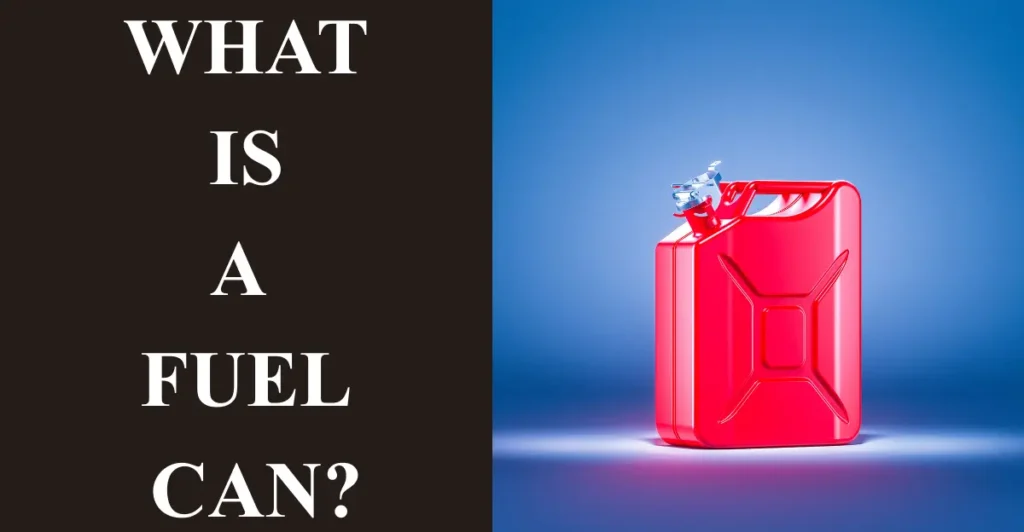
A fuel can is a vessel specifically designed to store petrol or diesel without the fear of corrosion or exposure to air, making fuel cans essential for professional occupations as well as farmers, gardeners, and vehicle drivers. Their capacity allows users to stock up at lower prices and maintain a reserve for emergency situations, while being aware of expiry dates ensures long storage for different fuels safely.
From my personal experience, selecting the right capacity and material of a fuel can has been critical in preventing leaks and maintaining fuel quality over time, especially when storing multiple types of fuels for extended periods.
How much fuel can I legally store at home?
Understanding how much fuel can I legally store at home is crucial for safe and compliant fuel storage. The Health and Safety Executive enforces rules for individuals to store no more than 30 litres of petrol without a licence, highlighting restrictions on the amount one can store in certain containers:
- Plastic container: up to 10 litres
- Metal container: up to 20 litres
- Demountable fuel tank: up to 30 litres
From my personal experience, following these limits not only ensures legal compliance but also minimizes fire hazards. I’ve worked with professional operators who often underestimate container types, and adhering to these restrictions has consistently helped maintain a safe home and professional fuel environment.
Is it safe to store fuel at home?
Storing fuel at home poses significant risks if not handled properly, but these can be minimised when safely precautions are taken. The main issues revolve around flammability, the potential danger of fumes, and the risk if ingested, making careful storage practices essential. From my personal experience, ensuring proper ventilation, using certified containers, and keeping fuel away from living spaces has consistently reduced hazards, making home storage manageable while still maintaining safety and compliance.
Where should I safely store fuel at home?
The correct storage container is half the battle, but ensuring it is kept in the correct place is incredibly important. Always store the container in a well-ventilated area, away from children, pets, and living areas. I often recommend a shed or garage where it is unlikely to be disturbed or accidentally tampered with. From my personal experience, choosing the right location and keeping fuel off the ground has prevented leaks and reduced the risk of accidents, making home fuel storage both safe and practical.
How long does fuel last when stored?
The time fuel can last when stored is dependent on a multitude of factors affecting long-term viability, including whether petrol or diesel is used, temperature, presence of contaminants, and how much it is exposed to air. Properly sealed containers in cool, well-ventilated areas can significantly extend storage life. From my personal experience, monitoring temperature and minimizing air contact has consistently preserved fuel quality for months, ensuring reliable performance for vehicles and equipment when needed.
How long does it last when stored properly?
When stored correctly, petrol can last up to 6 months before it begins to degrade and off petrol can cause damage to your car, limit performance, and lead to issues with starting the engine. Diesel, when kept properly, can store for longer, often up to 12 months, though off-diesel can become gummy, clogged-up filters, and damaging to the engine if neglected. From my personal experience, rotating fuel supplies regularly and using certified containers has preserved shelf-life, maintained engine performance, and avoided costly repairs, making long-term storage both safe and practical.
What happens if the fuel can leaks?
If a fuel can leaks, there is a good chance the fuel will go off quickly, especially when exposed to air, reducing full working order and making important components in the engine less efficient. It’s important to transfer any spilled fuel immediately into a proper container to prevent evaporation or contamination. From my personal experience, even minor leaks in petrol cans can degrade fuel quality, cause costly engine issues, and reduce performance, so maintaining sealed fuel cans and checking for cracks is essential for safe, reliable storage.
Does fuel go off?
Both petrol and diesel have short shelf-lives, making stocking up for a rainy day without proper precautions a bad idea. Petrol can last around 6 months, while diesel may go up to 12 months before lost energy and damage to vital components in your car occurs. Understanding how to safely store fuel in the right containers and storage locations, coupled with knowledge of shelf life for various fuels, helps navigate this world with caution. Expert help, advice, guides, and insights ensure your convenient reserve remains usable, remembering rules and regulations at all times. From my personal experience, following these practices has prevented engine issues and kept my home fuel reserves reliable for emergencies.
Conclusion
Proper fuel storage ensures safety, legal compliance, and optimal engine performance at home. Using the right containers, locations, and observing shelf-life guidelines allows a reliable fuel reserve for emergencies and everyday use. Act now to store fuel safely and protect your home and vehicles with confidence.
FAQS
How do you store fuel safely?
Store gas cans and portable fuel containers in well-ventilated, cool areas only. Never leave fuel containers open, always put the cap back on after use. Never smoke near gasoline or at a gas station. Always read the instructions.
What are the rules for storing fuel?
Never store fuel inside your house; storing it in a shed or garage is the best location for storage. Never dispose of or manually pump fuel from a storage tank. Prevent any nearby heat and ignition sources. Never use fuel in any other place other than the fuel tank of the combustion engine.