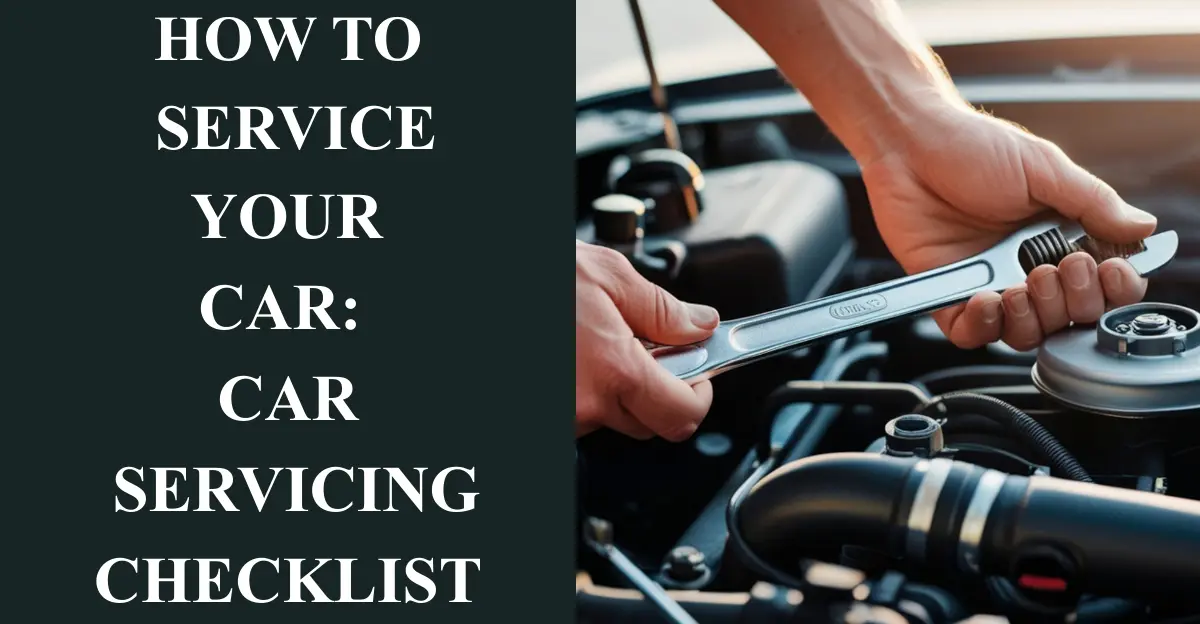
Regular car servicing keeps your car safe, reliable, and running efficiently while protecting your bank balance. Following a helpful checklist for car maintenance ensures all essential checks under the bonnet are done on time. Start carrying out these tasks today to maintain your car’s performance and keep every trip smooth and worry-free.

Table of Contents
Is it easy to service my own car?
With the right tools, information, and a good level of technical know how, it is possible to service your own car safely. Completing a basic car service yourself allows you to take control of your vehicle maintenance without relying entirely on a garage.
Attempting to service your own vehicle requires understanding how to fit parts correctly, handle fluids, and ensure the job is completed without breaking or damaging vehicle components. Many things can go wrong if an inexperienced person tries to handle maintenance, from risk of injury to invalidating the manufacturer warranty period by using the wrong or non-approved parts.
With proper access, the right equipment, and careful attention, most tasks can be done correctly in a couple of hours, allowing you to gain confidence in doing more of your car maintenance yourself. Outside the warranty period, the risk is lower, but using correct parts and following guidance ensures the process is conducted safely and reduces any risk to yourself or the vehicle.
From my experience, taking the time to really know your car, having approved parts on hand, and following step-by-step guidance makes servicing your own vehicle not only feasible but rewarding. I’ve found that completing a basic car service myself gives me a sense of control, and spotting minor issues early has prevented costly repairs and unnecessary trips to the garage.
What tools do I need to service my own car?
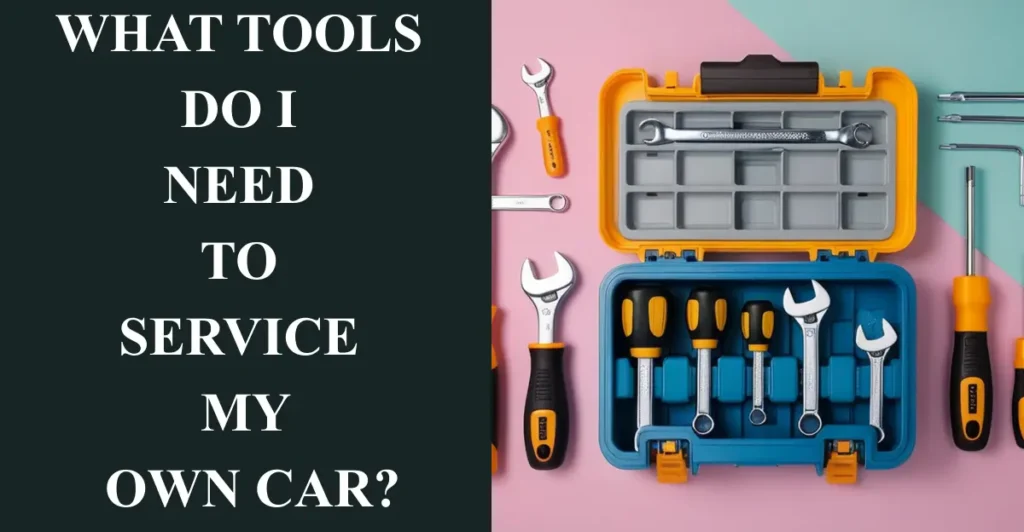
Servicing your own car safely and effectively starts with having the right tools and equipment to complete essential tasks without risk to yourself or other road users. A basic set of spanners, screwdrivers, and a socket set allows you to handle most nuts, bolts, and parts under the bonnet.
Additional tools are essential for more complex tasks and handling fluids safely:
- Spark plug removal socket
- Oil filter remover tool
- Car jack
- Axle stands
- Wheel ramps
- Chocks
- Funnel
- Oil drain tray
- Bucket
- Plenty of old rags
- Nitrile gloves
- Torque wrench
Using the right tools and putting everything in place beforehand ensures servicing your car yourself is done safely, correctly, and efficiently.
From my experience, having all these tools ready before starting a service makes the process smoother and avoids unnecessary mistakes. Proper use of the torque wrench and axle stands has kept me safe while giving me confidence that the car is ready for the roads.
Car service checklist
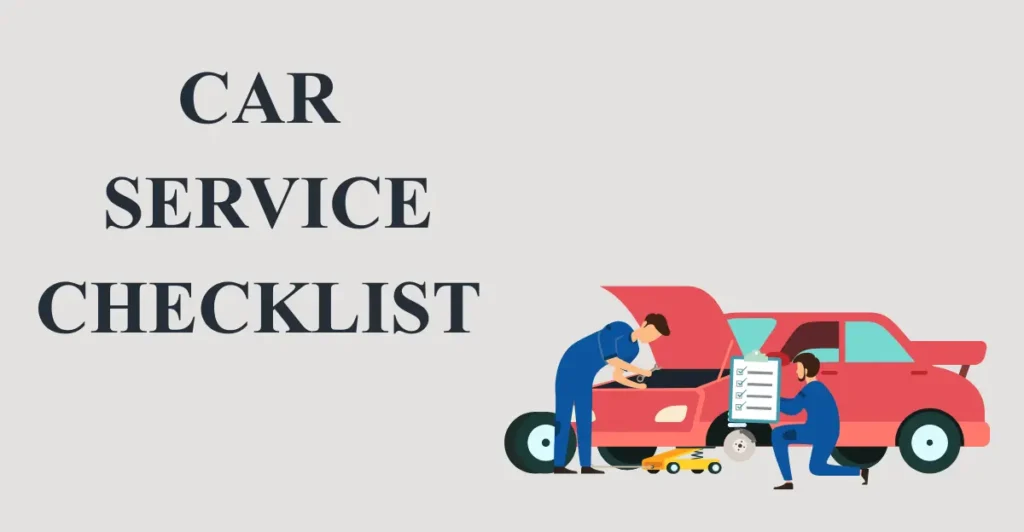
When looking to perform a basic service on your own car, a service checklist ensures all essential checks are completed. It covers inspection of key car components and helps keep vehicle maintenance organized and efficient.
From my experience, using a service checklist when I carry out maintenance on my own car has prevented small issues from turning into major repairs. It keeps every car component reviewed systematically and gives confidence that the vehicle is safe and performing at its best.
Oil change
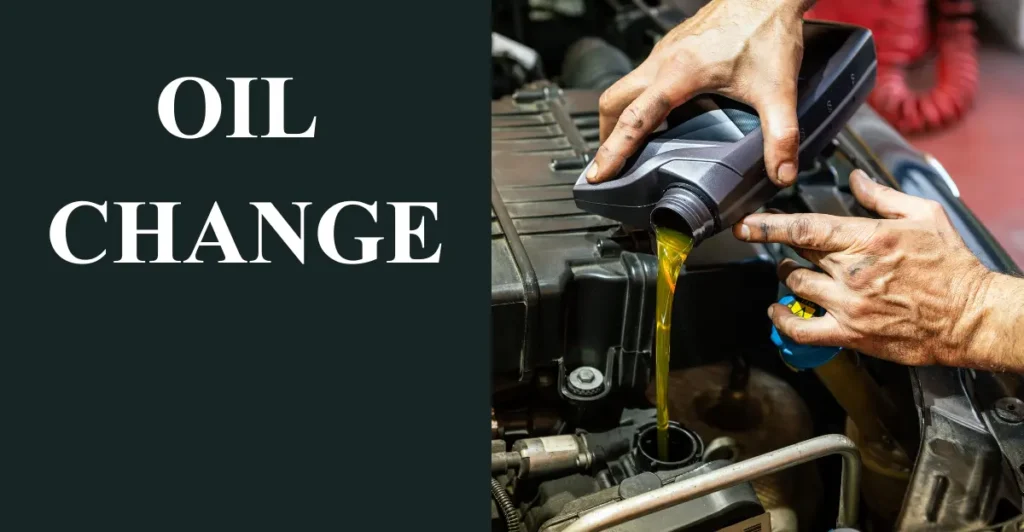
- Consult the owner’s manual to select the right oil and confirm the type of oil and correct fluid level for your car.
- Warm the engine by running it for a few minutes to allow the oil to flow more easily.
- Secure the car on level ground using a proper hydraulic jack at the correct jacking points, add axle stands and wheel chocks to prevent rolling and reduce risk of serious injury or car falling.
- Place a suitably deep drain tray underneath the engine, unscrew the sump plug, and allow the oil to drain out completely.
- Remove the oil filter using an oil filter remover tool, taking care to protect clothes with disposable gloves.
- Fit a new oil filter in the same position, lightly wetting the rubber seal with new oil, then refit the sump plug with a renewed washer.
- Lower the car carefully, then slowly pour new oil using a funnel into the oil sump, making sure not to overfill.
- Wait a minute for the oil to settle, then run the engine for 10 minutes to circulate the oil and check for leaks.
- Use the dipstick to confirm the oil level is at maximum level, not beyond, ensuring proper lubrication and protecting the system.
From my experience, following these steps carefully while using axle stands and a sturdy hydraulic jack makes the oil change safe and clean, and correctly fitting the new oil filter keeps the engine running smoothly without issues.
Tyre pressure/condition
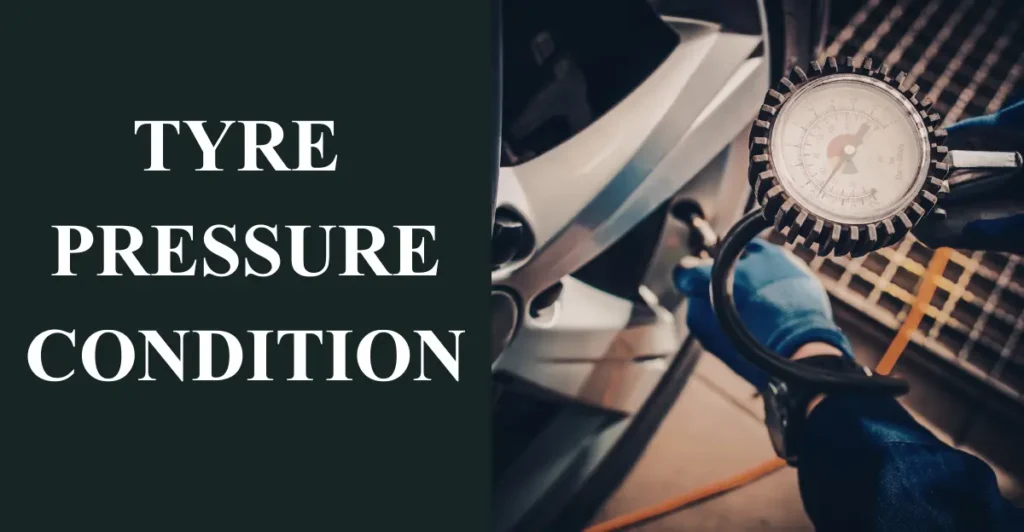
Checking tyre pressure and condition is an essential part of a basic service. Incorrect tyre pressures can lead to loss of performance, uneven tyre wear, poor road handling, and instability while driving.
Start by consulting the owner’s manual or the label inside the driver door shut or passenger door shut for the correct tyre pressure for your car, or verify it from trusted sources found online.
While checking, ensure making sure all worn tyres are inspected, and measure tread depth, which in the UK must meet the legal minimum requirement of 1.6mm, keeping your vehicle safe and roadworthy.
From my experience, regularly checking tyre pressures and tread depth prevents unexpected handling issues and improves fuel efficiency. I always keep a gauge handy and visually inspect for worn tyres, which has saved me from potential breakdowns on long trips.
Replace car fluids
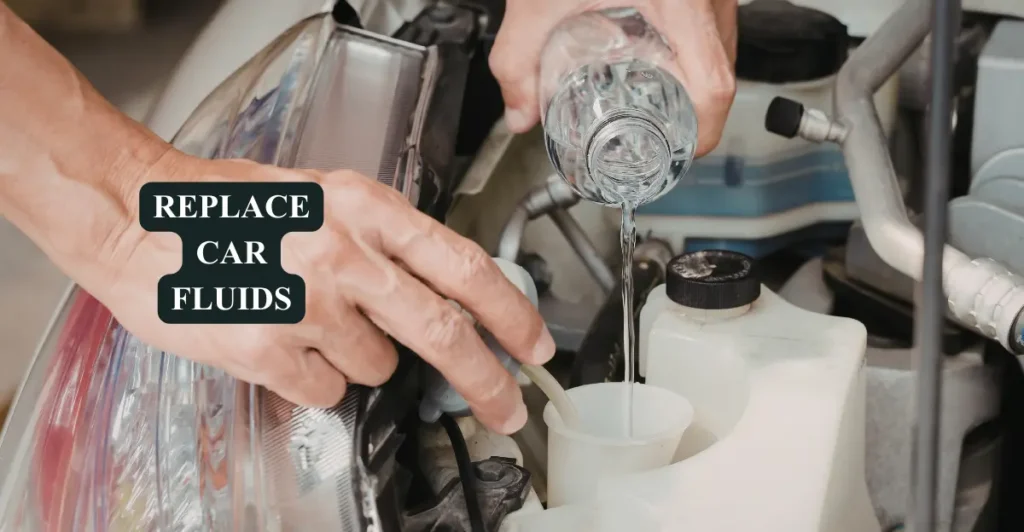
Replacing car fluids is a crucial part of a basic service, going beyond just changing engine oil. Always check fluid levels in your car, including screen wash and engine coolant, topping up any low levels to keep the car running smoothly.
For an older car, consider fully replacing fluids if they are dirty or old, ensuring proper fluids draining and refilling according to the servicing schedule. Also, gather information from the owner’s manual to check anti freeze concentration and maintain optimal fluid level throughout the system.
From my experience, regularly checking and replacing car fluids has prevented overheating and reduced wear on older car components. Following the servicing schedule and topping up screen wash and engine coolant keeps trips worry-free and the car reliable.
Check and replace coolant

- Ensure the engine is cold and the car is on level ground.
- Locate the coolant reservoir, a plastic tank near the radiator, and remove the cap.
- Use labelled coolant or antifreeze of the appropriate type, often a 50/50 mixture with water, following the instructions on the coolant bottle.
- Topping up the engine coolant, fill to the full mark and replace the cap.
- Start the engine and let it run for a few minutes, then turn it off and check the coolant level again.
- If needed, add more coolant until the level reaches the full mark.
From my experience, following these steps carefully and using the correct labelled coolant keeps the engine cool, prevents overheating, and ensures the vehicle continues running efficiently without issues.
Replace spark plugs
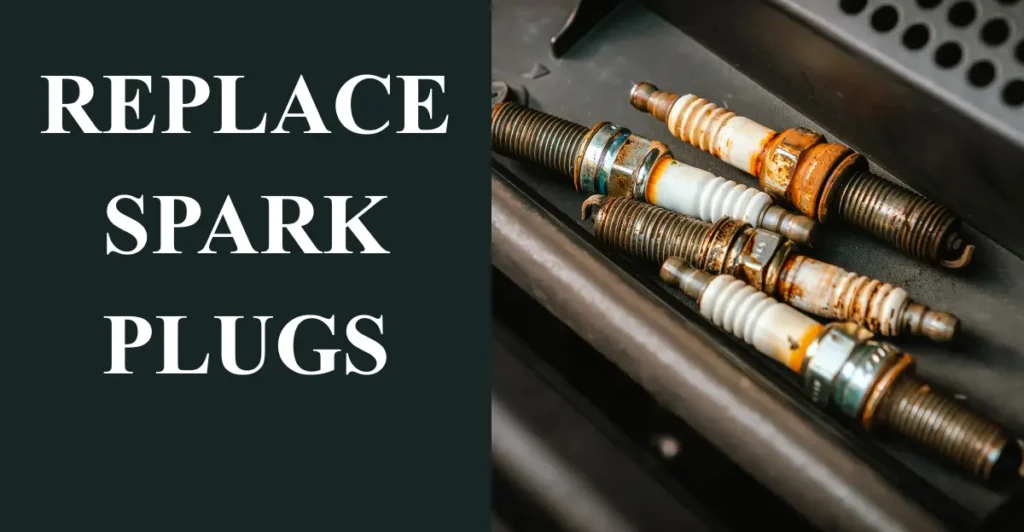
Replacing spark plugs is an important task recommended by manufacturers, typically every 30,000 miles, though recommendations vary depending on engine type and manufacturer guidance in the service literature. Start by checking if your own vehicle shows signs like car struggling to start or vibrates, which may indicate the need for new spark plugs sooner.
Begin by removing the HT leads and unscrewing plugs using the correct socket, making sure to clean the area thoroughly before inserting new plugs. Lower each plug into position, checking the gap as specified, then tighten by hand before using a torque wrench at the correct setting, ensuring not to over tighten the threads, which could cause a huge problem. Keep a note of the next replace interval to maintain smooth engine performance.
From my experience, carefully following the manufacturer’s recommendations and using a torque wrench ensures the spark plugs are fitted correctly and prevents engine misfires or damage. Replacing them on schedule keeps the engine running efficiently and avoids starting issues.
Replace air filter
Replacing the air filter is one of the simpler checks in a basic service that can improve engine performance. Start by unclip the airbox and carefully remove the dirty air filter or used air filter. Insert the new clean air filter and secure it in place by re-fastening the airbox, ensuring a snug fit for optimal airflow.
From my experience, regularly replacing the air filter keeps the engine breathing freely and improves fuel efficiency. It’s a quick task that makes a noticeable difference in car performance without much effort.
FAQS
What does a basic service include on a car?
A car service check typically includes inspections, maintenance and/or repairs to ensure that your car is running safely and efficiently. Typically, it will include a range of checks, including checking the oil, tyres, brakes, suspension, exhaust and other components.