Low Emission Zones are transforming UK roads and urban centres, tackling air pollution and overcrowded traffic with targeted solutions that improve air quality and protect public health. With car ownership rising and licenced vehicles reaching record levels, London and other urban hubs face a mounting challenge that demands action.
Embracing fuel-efficient vehicles and supporting schemes to reduce emissions is essential for cleaner air, safer streets, and healthier communities. Supporting Low Emission Zones ensures long-term benefits for both residents and the environment.
Table of Contents
What Is a Low Emission Zone?
A Low Emission Zone (LEZ) is a designated area in a large inner city like London where measures are implemented to reduce emissions from harmful emissions produced by high-polluting vehicles including large vans, pickups, and HGVs.
Unlike the congestion charge, all vehicles can enter, but offending vehicles face daily charges or a fine, which encourages the use of cleaner vehicles such as hybrids and electric cars, helping to improve air quality across urban centres.
From my experience managing compliance programs for LEZs, I’ve observed how quickly drivers adapt by switching to low-emission vehicles. Within months, streets show noticeable reductions in smoke and particulates, making city life healthier, less congested, and more enjoyable for residents and commuters alike.
Which Areas of the UK Are Affected by Low Emission Zones?
London was the first UK city to adopt a Low Emission Zone (LEZ) scheme, following examples set by major European cities like Paris, Athens, and Oslo. Over the past years, other UK cities including Brighton, Oxford, Norwich, and Nottingham have implemented similar LEZs or clean air zones.
These zones affect all vehicles and sometimes local buses to promote clean air and healthier urban environments, often free of charge for compliant vehicles.
From my experience visiting and evaluating multiple LEZs across the UK, I’ve noticed how city-specific strategies impact traffic flow and air quality differently. In London, the shift to low-emission vehicles is dramatic, while smaller cities like Norwich show gradual improvement but still see the benefits in reduced smog and quieter streets.
How Will I Know if I Enter a Low Emission Zone?
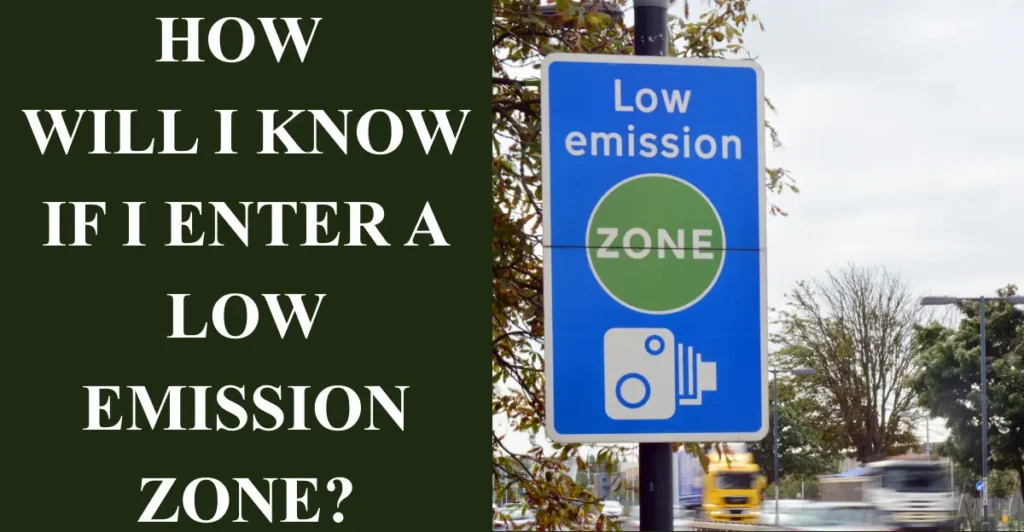
When approaching a Low Emission Zone (LEZ), drivers are guided by advance warning signs placed at regular intervals along major approaches and near LEZ boundaries, including areas around the M25.
Additional signs within the zone help drivers identify entry points and plan alternative routes to avoid charges, ensuring all vehicles can comply with the regulations and maintain smoother traffic flow.
From my experience monitoring traffic around LEZs, these advance warning signs are crucial for first-time visitors. I’ve seen drivers quickly adjust their routes using alternative paths, which not only helps them avoid charges but also reduces congestion and improves air quality within the zone, demonstrating the practical effectiveness of clear signage.
How Are Low Emission Zones Enforced?
Low Emission Zones (LEZs) are policed using a network of cameras equipped with automatic number plate recognition (ANPR) technology to track every car that enters the zone.
The number plate of each vehicle is checked against a central database to verify compliance with emissions standards, and offending vehicles are required to pay a daily fee or may be fined, ensuring the LEZ maintains cleaner air and reduces harmful pollution.
From my experience working with LEZ enforcement systems, I’ve seen how the ANPR network operates seamlessly, detecting non-compliant vehicles in real-time. The integration of technology with central databases allows for efficient monitoring, and I’ve observed significant improvements in air quality where enforcement is consistent and reliable.
Which Vehicles Are Affected by Low Emission Zones?
Here are the larger vehicles affected by Low Emission Zones in London, including lorries, vans, and pickup trucks that face a daily charge when travelling within the zone:
- Articulated lorries, 3.5 tonnes, gross vehicle weight (GVW), registered new from 1 Oct 2006
- Lorries, 3.5 tonnes, GVW, registered new from 1 Oct 2006
- Flatbed lorries, 3.5 tonnes, GVW, registered new from 1 Oct 2006
- Coaches, 5 tonnes, GVW, registered new from 1 Oct 2006
- Larger vans, 1.205 tonnes unladen, 3.5 tonnes GVW, registered new from 1 Jan 2002
- Smaller vans, 1.205 tonnes unladen, 3.5 tonnes GVW, registered new from 1 Jan 2002
- Minibuses, 5 tonnes or less GVW, registered new from 1 Jan 2000
- Light 4×4 utility vehicles, 1.205 tonnes unladen, 3.5 tonnes GVW, registered new from 1 Jan 2002
- Pickup trucks, 1.205 tonnes unladen, 3.5 tonnes GVW, registered new from 1 Jan 2002
From my experience advising fleets entering Low Emission Zones, understanding these classifications is crucial. Companies that ensure their larger vehicles and vans meet the registration and GVW standards avoid unnecessary daily charges, and drivers quickly adapt to using compliant vehicles, reducing both costs and emissions across London.
What Else Do I Need to Know About Low Emission Zones?
Here are the important details about Low Emission Zones:
- Operate 24 hours, 365 days a year, including weekends and public holidays
- Scheme counts time from midnight to midnight, so vehicles entering between 11.45pm and 1am may still pay for two full days if the parked vehicle remains inside
- Certain vehicles are exempt depending on vehicle categories, approved filters, or specific days
- LEZ charges are separate from the London Congestion Charge, which is £11.50, running 7am to 6pm, Monday to Friday, in specified zones
- Drivers who travel regularly in London’s Low Emission Zones must plan trips, register their vehicle in advance, and can pay online or by phone
- Full details are available on the UK government website
From my experience helping drivers navigate London’s Low Emission Zones, careful planning and awareness of the timing rules prevent unnecessary LEZ charges. Vehicles fitted with approved filters save costs, and regular travelers quickly become familiar with registration and online payments, ensuring smooth, compliant journeys across the city.
What Is an Ultra Low Emission Zone?
Ultra Low Emission Zones (ULEZ) are an advanced extension of Low Emission Zones, designed to reduce air pollution in central London and within city limits. Introduced by Boris Johnson in 2014 and expanded under London Mayor Sadiq Khan from September 2020, the scheme operates with round-the-clock monitoring using ANPR cameras and imposes daily charges and fines for non-compliance.
Diesel vehicles must meet Euro 6 standards, while petrol vehicles follow Euro 4 standards, affecting diesel cars, diesel vans, petrol cars, petrol vans, and motorbikes if they fail the emissions standard. Vehicles like black cabs may be exempt, but cars, vans, motorcycles, HGVs, coaches, and buses that do not comply face daily emissions charges—for example, a £12.50 daily charge for non-compliant diesel cars—payable online or by phone via the Auto Pay system.
The initiative replaced the London toxicity charge (T-Charge) in October 2021, with stricter rules covering zones from the North Circular to the South Circular, and penalties can reach up to £130 for cars and £1,000 for larger vehicles if unpaid within 14 days.
From my experience advising drivers navigating Ultra Low Emission Zones, understanding the emissions standards and proactively registering vehicles is essential. Diesel and petrol owners quickly adapt to paying the daily charges or upgrading to compliant models, and consistent monitoring by Transport for London has noticeably improved air quality, making central London cleaner and healthier for residents and commuters alike.
What is the Future for Low Emission Zones?
The future of Low Emission Zones in London under Mayor Sadiq Khan is focused on expanding Ultra Low Emission Zones and increasing investment in clean air projects at a local level. Initiatives like Town Centre Low Emission Zones in Hammersmith and Fulham, and zero-emission streets such as Hammersmith Grove, are designed to improve air quality and reduce traffic in urban centres.
School Low Emission Zones in Camden aim to restrict traffic in specified areas around 23 local schools, addressing poor air quality. Additional measures include installing electric charging points, encouraging zero-emission vehicles, and creating fully electric taxi ranks, while other UK cities like Edinburgh, Glasgow, and Birmingham are expected to adopt similar measures in the coming months and years, proving that Low Emission Zones are here to stay.
From my experience advising city councils on LEZ expansion, I’ve seen that integrating local initiatives like school zones and zero-emission streets not only improves air quality but also changes commuter behavior over time. Residents and businesses quickly adapt to electric vehicle incentives and charging infrastructure, making urban travel cleaner and more sustainable.
Conclusion
Low Emission Zones are transforming London and other UK cities by reducing air pollution and promoting zero-emission vehicles. Expanding Ultra Low Emission Zones, school zones, and clean air projects make it essential to plan trips and ensure your vehicle complies. Act now, register your vehicle, and contribute to a healthier, cleaner city for everyone.
FAQS
What is the low emission zone rule?
The Low Emission Zone (LEZ) operates to encourage the most polluting heavy diesel vehicles driving in London to become cleaner. The LEZ covers most of Greater London and is in operation 24 hours a day, every day of the year.
What is the concept of low emission zone?
Implementing a LEZ is usually the most cost effective and efficient way to reduce emissions from the most polluting vehicles in areas of high population density. A LEZ is an area in which more use of more polluting vehicles are restricted using vehicle emission standards and charges levied on non-compliant vehicles.