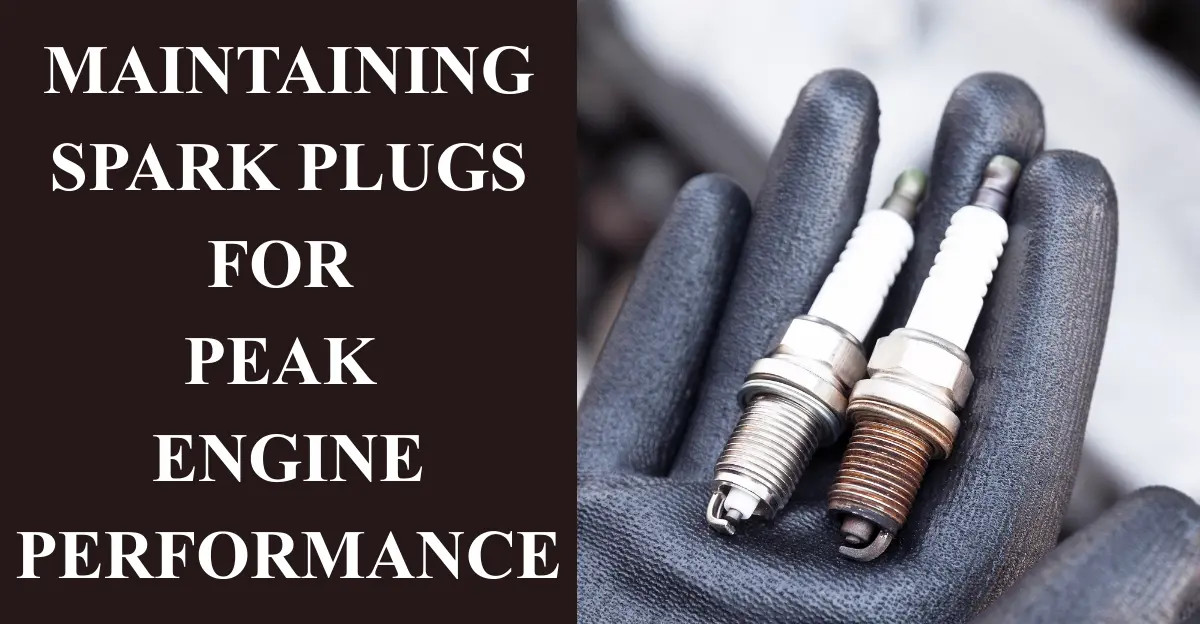
Maximize your car’s performance and efficiency by mastering spark plug maintenance, the secret behind every smooth-running engine. Follow essential tips for checking and buying the right spark plugs to keep your motoring experience at its very best. Take action today and give these unsung heroes the care they deserve for lasting engine health.

Table of Contents
What Do Spark Plugs Do?
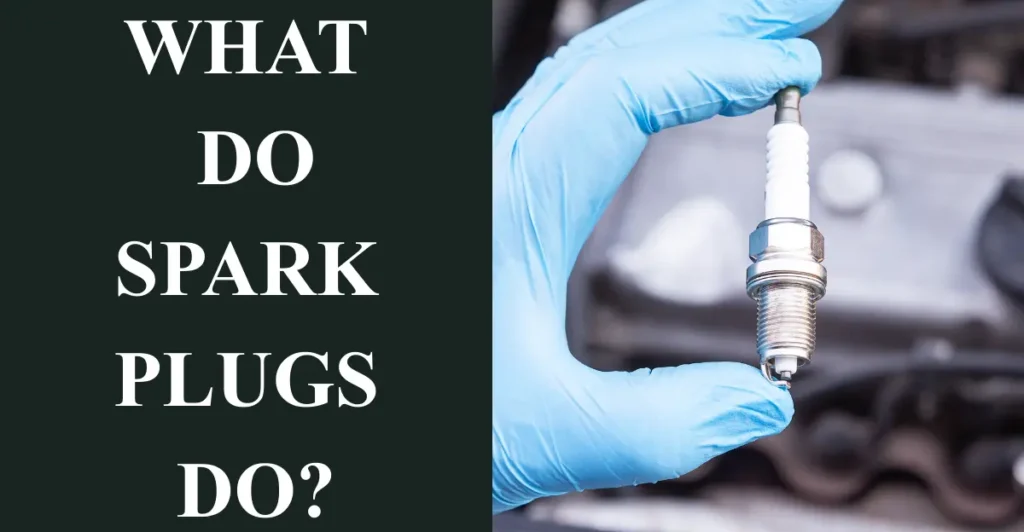
Spark plugs play a critical role in igniting the fuel-air mixture inside the combustion chamber, ensuring smooth burning fuel and consistent engine performance. The electrodes and tip work together to produce a precise electrical spark at the right volts, overcoming extreme temperatures and resisting contaminants or particles from the fuel system.
The housing and plug design maintain the optimum temperature, allowing the electrical current to travel efficiently and the spark to fire reliably every time. Proper understanding of each electrode and careful maintenance can maximize your engine’s efficiency and longevity.
In my personal experience, inspecting the spark plug electrodes and replacing worn tips revealed a dramatic improvement in throttle response and fuel efficiency. I’ve often seen engines hesitate or misfire simply due to carbon buildup on the plug, and regular checking ensures the electrical spark fires exactly when needed for seamless operation. This hands-on attention makes a noticeable difference in every drive.
How to Check and Change Spark Plugs
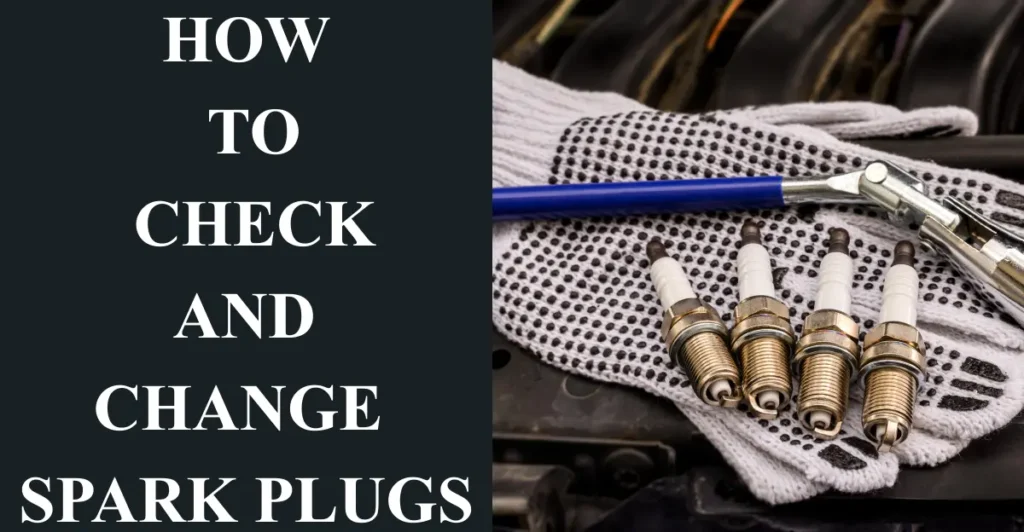
Maintaining spark plugs that are durable and can withstand extreme temperatures is key to ensuring your engine works efficiently over thousands of miles, despite everyday wear, tear, and build-up that can lead to problems like preignition or premature wear. Regular checking of their condition, cleaning off deposits, and replacing them when performance drops ensures the spark plug fires correctly under all conditions.
Step 1 – Identify all spark plugs in your car’s engine by checking the engine casing, locating the wires, main cylinder head, 4-8 wires, and confirming the layout in the owner’s manual.
Step 2 – Carefully disconnect the wires from the ignition coil and each spark plug, using a wrench, spark plug adapter, and if needed an extender to reach cylinder cavities and leads, removing them in order.
Step 3 – Check the condition of each spark plug for deposits, damage, wear, a bad spark plug, worn electrode, tip, or rusty spots, and clean off build-up like white limey build-up.
Step 4 – Begin adding and installing new spark plugs carefully.
Step 5 – Ensure the current spark plugs and new spark plugs are gapped correctly using a spark plug gapping tool according to the car’s manual and the recommended gap.
From personal experience, taking the time to check and clean the spark plugs regularly prevented misfires on my older vehicles, and correctly gapping new plugs restored lost performance immediately. I’ve seen engines hesitate when a single worn electrode went unnoticed, and following a structured process ensures every spark plug fires reliably and your engine runs smoothly over time.
How Often Should You Change Spark Plugs?
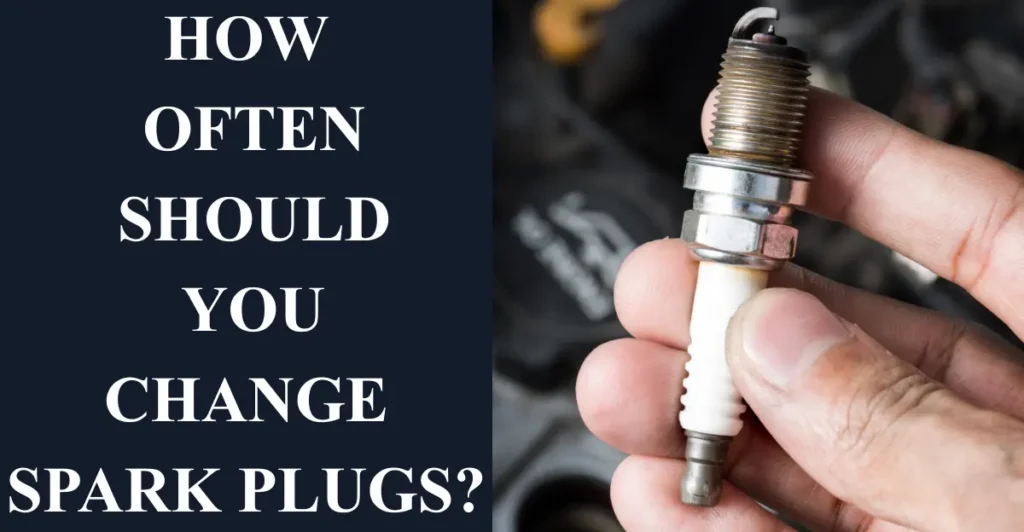
Spark plugs should be inspected regularly and replaced according to your car’s manual, typically around 30,000 miles or during an annual service depending on average annual mileage and driving conditions.
A robust and durable plug may last longer, but keeping an eye on engine light warnings and performing routine checks ensures your engine maintains optimal performance. Accurate information about your spark plugs prevents premature wear and keeps the ignition system running smoothly.
In my personal experience, I’ve seen drivers ignore spark plug replacement until the engine light came on, and it often led to rough idling and reduced fuel efficiency. By scheduling inspections aligned with the manual and considering average annual mileage, I’ve consistently kept engines firing efficiently, and a simple check during routine service prevented costly repairs down the road.
What Are the Symptoms of a Bad Spark Plug?

A bad spark plug can cause your car to fail to start and may lead to starter problems.
It can also result in a misfiring engine and rough idling due to worn, damaged, or incorrectly spaced electrodes, while faulty spark plug wiring prevents the spark from igniting the fuel-air mixture properly.
These issues lead to poor acceleration, decreased performance, a dip in accelerative performance, and poor fuel economy caused by fuel wastage and inefficient burning fuel, ultimately reducing overall engine efficiency.
From personal experience, I’ve seen engines hesitate or stumble when a single worn spark plug went unnoticed, and replacing it immediately restored smooth acceleration and proper fuel efficiency. Regular inspection of the spark and wiring prevents unexpected starter problems and keeps the car performing optimally even after thousands of miles.
Types of Spark Plugs
Spark plugs come in various types and materials, each designed with specific features that affect engine performance.
Manufacturers provide guidance on the recommended spark plugs for your car in the owner’s manual, and understanding the different ways each type impacts ignition and longevity helps ensure proper replacement when needed.
Choosing the correct spark plug type based on materials and features allows the engine to operate efficiently and maintain consistent performance over time.
In my personal experience, switching from standard copper spark plugs to platinum types in a high-mileage engine significantly improved throttle response and fuel efficiency. Following the manufacturer’s recommendations closely has consistently prevented misfires and extended the life of the ignition system in every car I’ve worked on.
Conclusion
Maintaining spark plugs is essential for maximizing your engine’s performance and efficiency while preventing costly repairs. Regular checking, timely replacement, and choosing the right spark plugs ensure your car runs smoothly for thousands of miles. Take action today to care for these unsung heroes and keep your engine firing at its very best.
FAQS
Do spark plugs improve engine performance?
Replacing your spark plugs will help ensure your engine runs efficiently, saving you money at the pump. Another benefit of replacing your spark plugs is improved engine performance. With lousy spark plugs, you might experience misfires when they fail to ignite the air-fuel mixture.
How do you maintain spark plugs?
Inspect your spark plugs. If the spark plug is only lightly soiled, you can try cleaning it with sandpaper. You can start by removing any debris on the outside of the spark plug. Next, use 220-grit sandpaper to gently sand away buildup – use a light touch, as you don’t want to damage the metal.