Choosing between a petrol or diesel vehicle requires careful consideration of fuel efficiency, ownership costs, and emissions regulations. Staying informed about automotive technology, market trends, and alternative fuel options ensures a smart purchase decision. Follow this guide to evaluate mileage, maintenance, and future transportation needs for confident car ownership.
Table of Contents
Should I Buy a Petrol, Diesel, or Electric Car? Key Things to Consider
Choosing between petrol, diesel, and electric cars involves careful evaluation of options and factors with attention to the 2030 deadline for carbon emissions targets. Understanding forecourt availability and purchase context helps in weighing choice and making a sound decision. A thorough analysis, assessment, and comparison of insight, knowledge, and understanding ensures a well-informed selection.
Initial Purchase Price
The initial purchase price is a major consideration between petrol, diesel, and electric vehicles as brand-new models like the Fiat 500 range from £12,000 to £20,000. Outright cost can deter buyers but lease or hire options make EVs more affordable and feasible while future ownership, value, and investment remain key factors.
Lack of EV Charging Infrastructure
The availability of EV charge points in the UK especially in rural areas or terraced houses limits the practical option for many drivers. New laws mandating EV chargers in new-build homes help but access remains an issue for flats, driveways, and private parking.
Cost of Repairs and Servicing
Petrol, diesel, and electric vehicles differ in maintenance and servicing costs. EVs typically have fewer moving parts reducing wear but repairs can be expensive due to battery defects or specialized garages. Support, local repair availability, and reliability are key considerations for sustainable ownership.
Range Limitations
Electric car ranges are limited by battery capacity offering fewer miles per single charge compared to a full tank of petrol or diesel. Rapid chargers reduce downtime to a minimum of 30 minutes but planning for long trips or weekend travel requires careful consideration of driveable range and mobility needs.
Environmental Factors
Government policies promote electric cars to reduce fossil fuel dependence but materials like lithium, cobalt, and manganese used in batteries have environmental and sustainability implications. End-of-life disposal, energy sources, and long-term reliance on rare metals are key for future-proof green transportation.
Over years of advising drivers and buyers, I have seen that balancing cost, efficiency, practicality, and environmental considerations leads to the most satisfactory purchase decision. Observing market trends, charging infrastructure, and maintenance realities helps in selecting a vehicle that aligns with both current needs and future ownership goals.
The Pros and Cons of Buying a Petrol, Diesel, or Electric Car
Here are the key pros and cons to consider when choosing between petrol, diesel, and electric cars:
Petrol

Here are the pros and cons of petrol cars:
Pros
- Lowest initial purchase price
- Cheaper fuel
- Ideal for short trips in town
- Affordable maintenance
- Reliable performance
- Good economy
- Convenience
Cons
- High emissions
- Clean Air Zone restrictions in UK cities
- High tax
- Thirsty petrol cars
- Faster depreciation affecting long-term value
Diesel

Here are the pros and cons of diesel cars:
Pros
- Efficient for long journeys
- Durable engines
- Modern diesel cars
- Affordable maintenance
- Strong fuel availability
- Good running costs
- Reliable performance
- Economical
Cons
- High emissions
- Clean Air Zone penalties
- DPF system maintenance
- Regular servicing
- Rising fuel costs impacting ownership
Electric
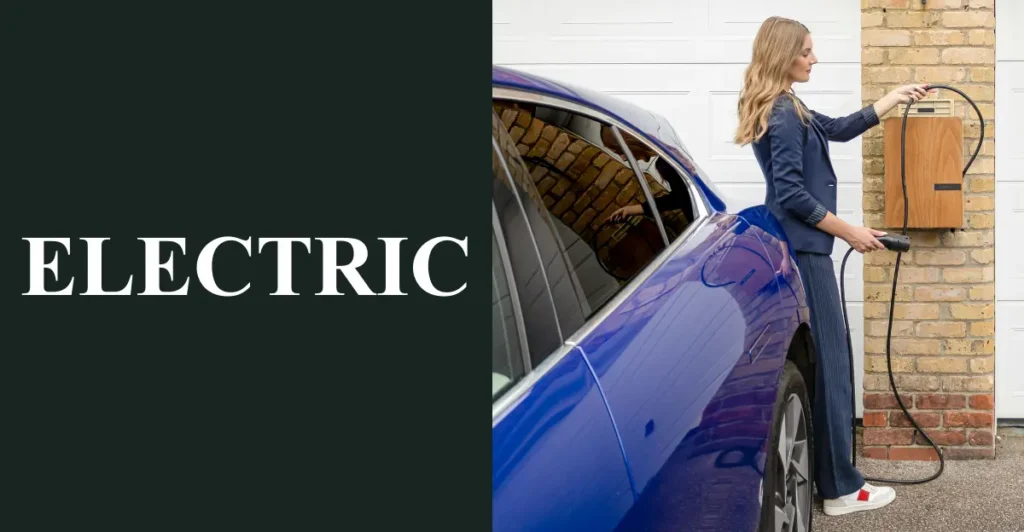
Here are the pros and cons of electric cars:
Pros
- Extremely convenient
- At-home charging
- Exempt from Clean Air Zones
- Cheaper day-to-day running costs
- Lower tax
- Strong resale value
- Lower depreciation
Cons
- Expensive purchase price
- Range limitations
- Charging infrastructure availability
- Maintenance
- Servicing
- Environmental resource concerns related to batteries and climate change
From my work with drivers and vehicle buyers, understanding the pros and cons of petrol, diesel, and electric cars while factoring running costs, practicality, and future ownership trends ensures the most informed purchase decision.
Conclusion
Choosing between petrol, diesel, and electric cars requires careful consideration of running costs, efficiency, and future-proofing your vehicle. Evaluating maintenance, emissions, and practicality ensures a smart purchase decision that aligns with your lifestyle. Take action today to select the car that offers the best value and performance for long-term ownership.
FAQS
Is it better to buy a petrol or diesel car?
While diesel engines generally emit lower levels of carbon dioxide (CO2) than an equivalent petrol engine, they also emit considerably higher levels of nitrogen oxides (NOx) and particulate matter.