
A strong smell of petrol while driving is a clear sign of issues that need attention in your car. Broken fuel lines, residual odour from filling up, and other common causes can make the petrol odour linger on clothes and hands. Learn how to spot and fix these problems easily to keep your car running safely and smoothly.
Table of Contents
Why does my car smell of petrol?
A whiff of petrol during regular use of your car is often a sign that something is going wrong with the petrol tank or fuel system. Filling issues, small leaks, or getting vapours trapped inside and outside the car are common reasons for the smell that you shouldn’t ignore. From my experience, even a few drops spilled while filling can leave a lingering smell, and I’ve learned to always check the car carefully so I’m able to spot issues early before they worsen. With regular use, paying attention to these signs helps maintain your car’s performance and keeps the smell from returning, which I’ve personally found saves time and money on repairs.
Problems with the petrol cap
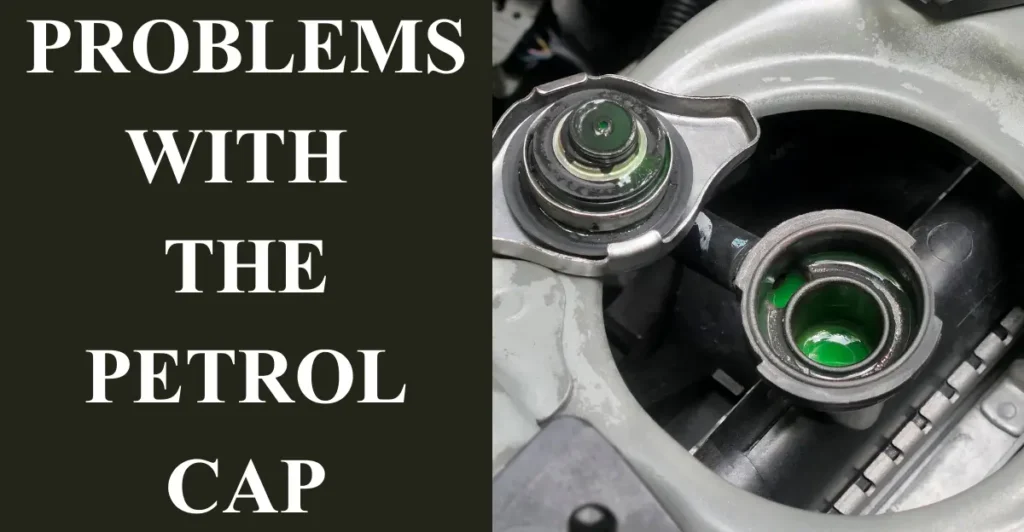
The petrol cap plays a crucial role in keeping petrol fumes from seeping out of the petrol tank into the cabin, and a properly working seal is essential to avoid a pungent odour. If the cap isn’t tightened correctly or is damaged, water and other contaminants can enter the fuel system, potentially leading to serious issues. The first thing I always do when a smell is noticeable is check the cap, and in many cases, it’s a simple job to purchase a replacement cap and install a new one on the filler neck. From my experience, caps are often overlooked, but a properly fitted cap immediately stops the problem and prevents further petrol fumes from affecting the car, making this an easy and effective fix.
Put too much petrol into the car
Putting too much petrol into your car’s fuel tank can sometimes wreak havoc on the fuel pumps and filtered fuel system, even though most cars have an automatic cut-off to prevent overfilled tanks. Excess fuel can smell in the surrounding area, illuminate the engine warning light, or cause the engine to run too low efficiency at high RPM, and in some cases, you may need to call out a specialist to drain the tank safely. The first thing I do after putting too much petrol is assess the situation, wipe up any spills, and drive carefully while letting the engine burn off the excess. From my experience, being cautious while filling saves time and prevents problems that mechanics often deal with due to possible tank overfill.
Petrol in the EVAP tank
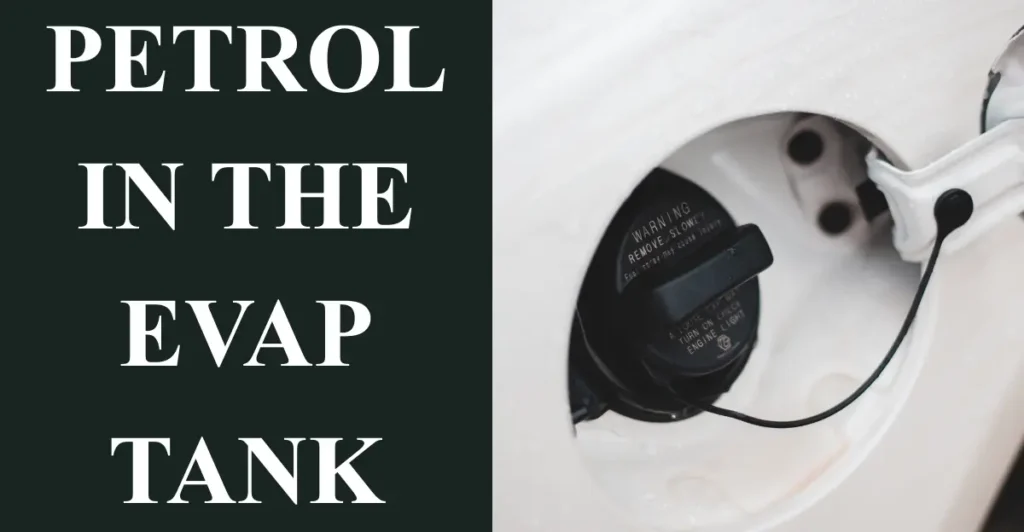
The EVAP tank is responsible for capturing fuel vapours from the fuel tank and storing them instead of letting petrol leaking or vapour escape, which can cause a petrol smell inside your car. If liquid petrol enters the EVAP tank due to overfill or various aspects of the fuel system, it can disrupt the air-fuel mixture and damage components if not burned or released correctly. Depending on the consequence, you may need to replace the EVAP tank or call a mechanic, although sometimes doing nothing temporarily will allow little petrol to stay and evaporating naturally. From my experience, when familiar petrol smell lingers despite regular use, carefully inspecting the EVAP tank and fuel system often determines the solution and saves further health risks or damage.
Loose spark plugs
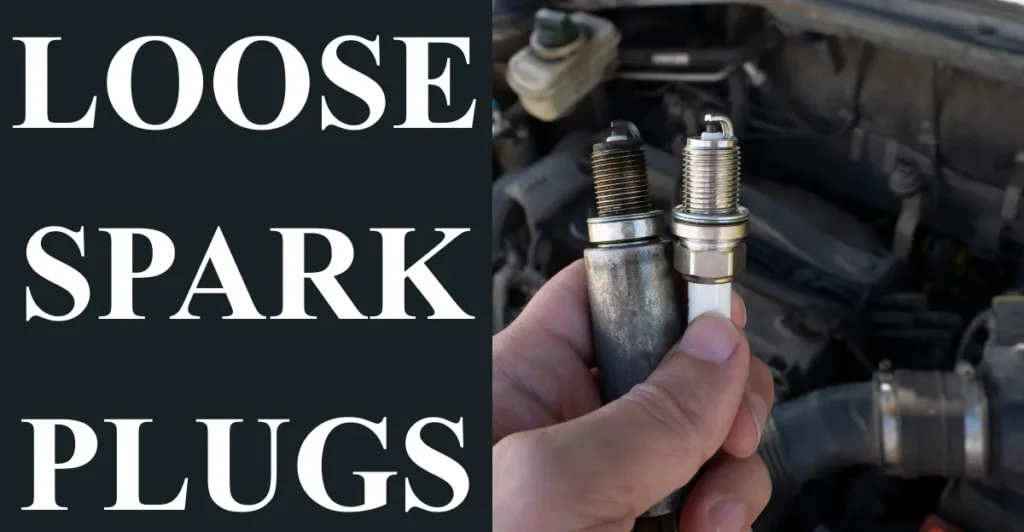
Loose spark plugs are a common cause of petrol smell inside the car, often manifesting as loss in power, lower MPG, or occasional stalling. When a plug is only partially inserted or has damaged threads, fuel can escape around the spark plug head, creating a strong smell that’s hard to ignore. In some cases, a qualified mechanic may need to drill a larger hole and insert a new thread to ensure the plug fits snugly. From my experience, I’ve attempted minor fixes myself, but properly securing loose spark plugs is critical, and noticing the early signs can prevent a plethora of issues down the line.
Injector leak
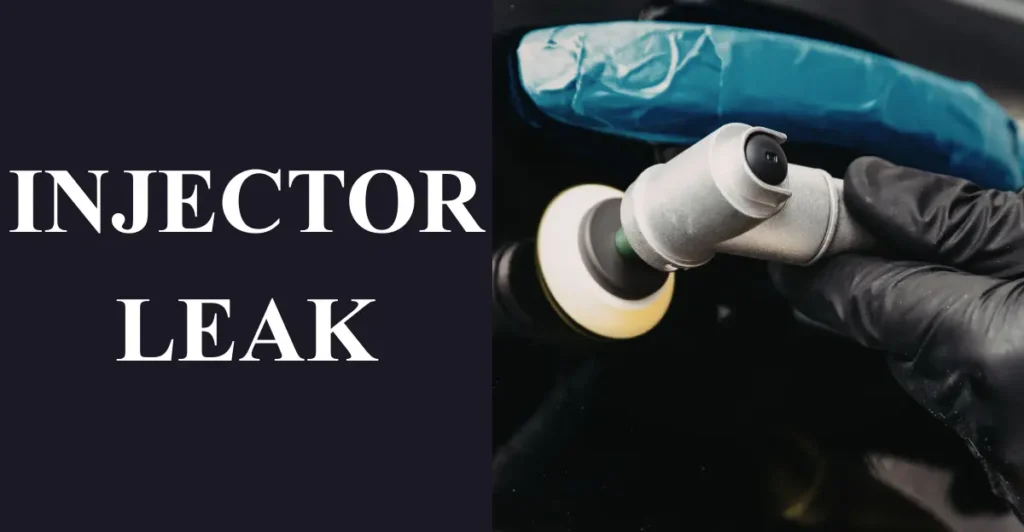
Leaking fuel injectors are a common source of strong smell of petrol, often caused by O-ring failure, cracked injector body, or nozzle wear, especially in older cars. This problem can also result in poor performance, reduced fuel economy, and difficulty starting the engine, with sprayed petrol sometimes not fully burned off. A professional mechanic can determine if the leak is right place and whether to replace the injector or fix the O-ring, and I’ve learned that having the ability to spot a leak early makes you more confident the job is done correctly. From my experience, even subtle smells often point to injector issues, and inspecting the engine carefully prevents bigger fuel system troubles.
Clogged air filters
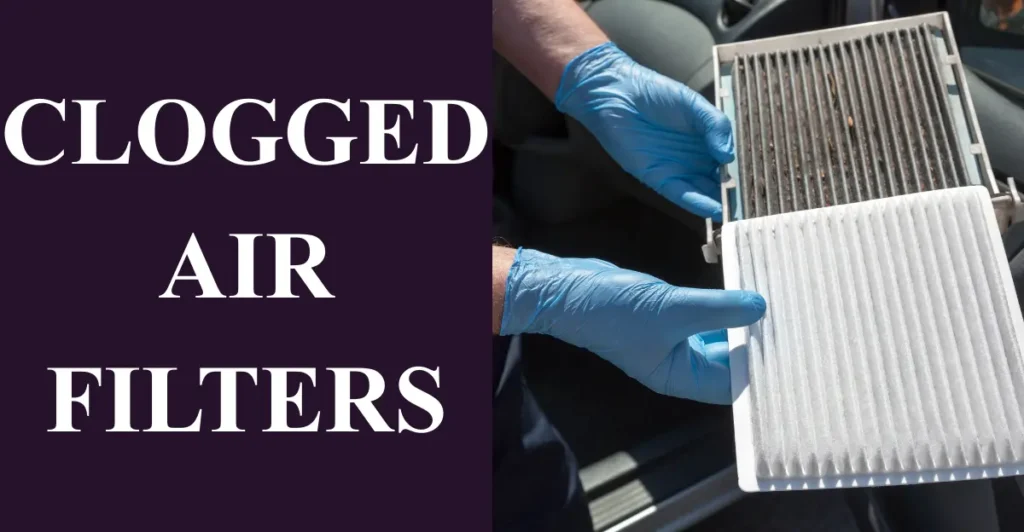
A clogged air filter can disrupt the air-to-fuel ratio, causing unburned fuel to pass into the exhaust and produce a noticeable petrol smell in your car. Air filters naturally get clogged over time depending on vehicle usage and lifespan, typically between 15,000-30,000 miles, and should be replaced during annual service or sooner if familiar signs appear. Thankfully, this is an affordable and easy part of maintenance that you can attempt yourself by lifting the bonnet, though a mechanic can ensure it works efficiently. From my experience, keeping both the fuel and air filters in check gives you confidence in the car’s performance and prevents problems that often go unnoticed.
How to temporarily get rid of a petrol smell in a car
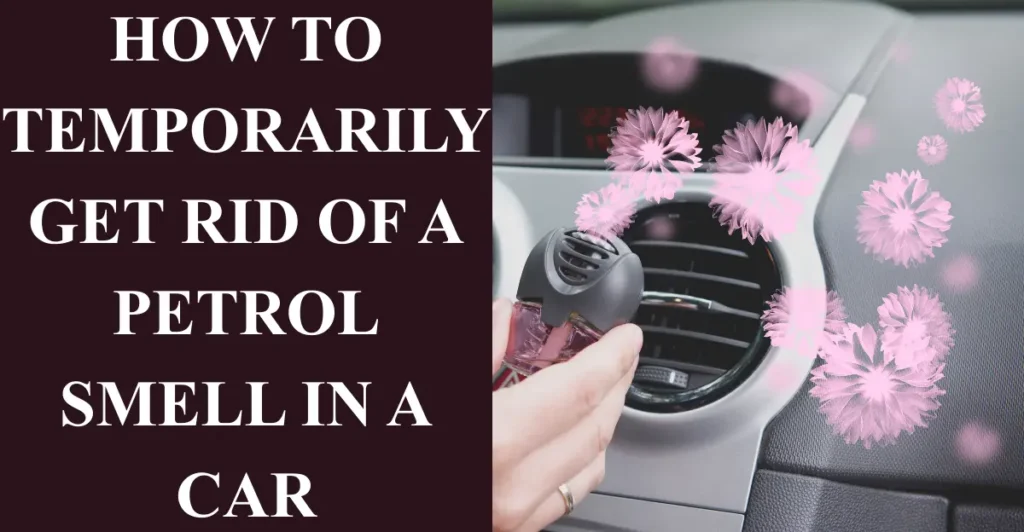
If your car has a lingering smell of petrol and you’re unable to have the issue fully fixed immediately, there are a number of ways to temporarily get rid of it. You can park up with windows open and let the fans run with recirculate off to allow the lingering smell to dissipate, or leave the vehicle running briefly while ensuring proper ventilation. Using high-quality maintenance products like Petrol System Cleaner can help clean the fuel system and reduce emissions, achieving a temporary solution until the source or potential causes are fully addressed. From my experience, taking these steps while carefully inspecting the car and fuel system allows you to look for the same thing later without panic and keeps the vehicle in perfect working order.
Conclusion
Keeping your car free from a petrol smell ensures safety, comfort, and optimal performance. Identifying the source early, whether it is leaking injectors or clogged air filters, allows you to fix issues efficiently and prevent costly repairs. Take action by inspecting your fuel system, using high-quality maintenance products, and maintaining your car in perfect working order.
FAQS
What causes petrol smell in cars?
A number of issues may lead to the smell of petrol invading your car. These can include loose or faulty petrol caps, a leaking fuel injector, loose spark plugs, an EVAP system failure, or, most seriously, a fuel leak. Any of these can cause a petrol smell to drift into your car through the air con.