In the world of motoring, speed remains one of the most talked-about and controversial areas, filled with myths, mistruths, and long-standing issues that drivers often ignore.
This collection of 10 common speeding beliefs shows how poorly enforced ideas can put people on the wrong side of the road, affecting the result of safety and failing to help them stay safe or drive within the law.
Understanding these truths empowers every driver to navigate roads responsibly, avoid unnecessary risks, and maintain control in every situation.
Table of Contents
1. Speed cameras only work when you’re travelling in a certain direction
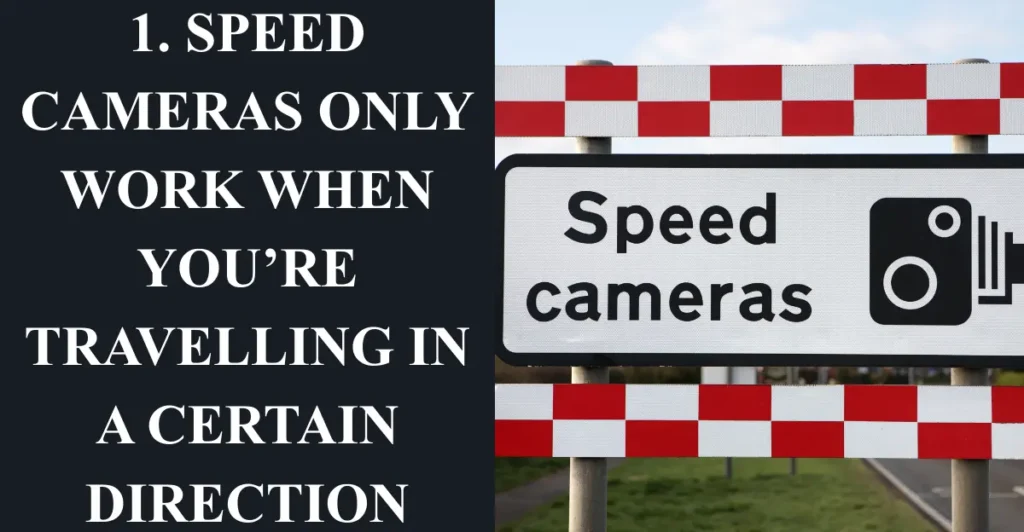
Many drivers assume that speed cameras are pointing only one way and monitoring traffic travelling in a certain direction, but in reality, cars on each side of the road, whether single-carriageway or dual carriageways, have the same chance of being caught speeding.
On two cameras side by side or approaching from opposite directions, the system is normally watching whichever side of the carriageway a vehicle is on, making it easy to think you can avoid them, but speeding in any case carries equal risk.
From my experience with traffic monitoring projects, I’ve seen firsthand how even seasoned drivers often overestimate their ability to evade cameras, thinking direction matters, until they get booked unexpectedly.
2. Police speed camera traps have to be visible
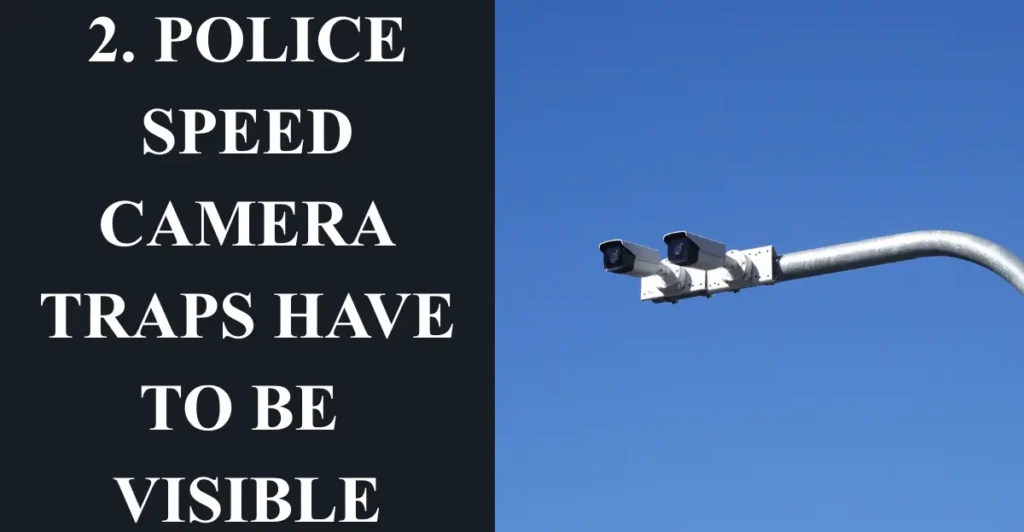
Many drivers believe that police speed traps or speed cameras must be well marked and visible on a country road or highway, stating that their purpose is only a deterrent rather than catching people out.
The good news is that most of the time, a camera is indeed right where you can see it, remembering that police use these traps not just to scare but to enforce law and prevent reckless speeding, so thinking you can ignore them is risky and drivers need to know that speed matters next time they are behind the wheel.
From my personal experience on traffic safety initiatives, I’ve observed how many assume that only visible cameras matter, but even seemingly quiet or hidden setups consistently influence driver behavior and reduce accidents.
3. The UK has more speed cameras than anywhere else in the world
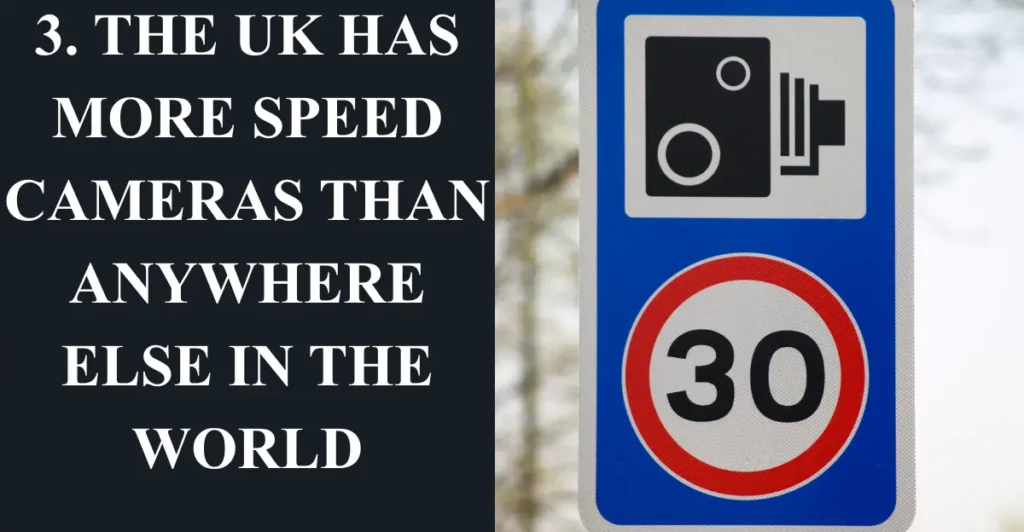
Many drivers think the UK is the heavily policed speed restricted country with speed cameras on every corner, but this is an exaggeration.
While Britain has approximately 7,000 cameras, including 3,340 on major roads, countries like France, Italy, Malta, and Belgium also have a significant number, making the world average far from it. On average, this still amounts to just 80 per square mile, a price worth paying for safer speed limits and one of the safest driving environments for drivers.
From my experience monitoring traffic systems across Europe, I’ve noticed that many assume the UK dominates globally, but the reality shows cameras are more evenly spread than commonly believed.
4. If you only go 10% over the speed limit, you won’t get a ticket
The 10% rule is a truth that often comes with a pinch of salt because a range of factors affects whether a speed trap catches you going over the limit.
Authorities’ discretion, tolerances, and slight inaccuracies in your car’s speedo or other speed measuring devices mean even a simple breach can lead to a ticket, regardless of driving just 10% above the speed limit, proving that responsible drivers cannot rely on this as a safe loophole.
In my years of consulting on traffic enforcement, I’ve seen many drivers falsely trust the 10% buffer, only to be prosecuted for minor oversights because devices and human judgment don’t always align.
5. Switching lanes will prevent ANPR cameras detecting you while speeding
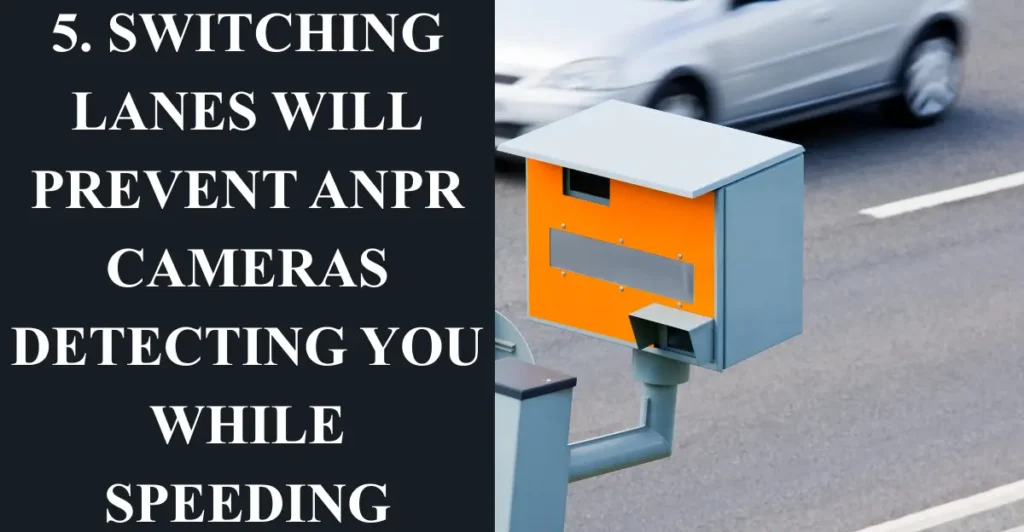
Many believe switching lanes can prevent ANPR or automatic number plate recognition cameras from catching speeding, but this sits among the biggest myths and mistruths.
Since the technology launched across UK roads, it uses an array of systems that work seamlessly and cannot be beaten, fooled, or tricked. On a motorway, these systems track every car, making it almost impossible to hide, even behind bigger vehicles, because the technology has come a long way and follows vehicles for longer than you think, proving this is one of the biggest myths still believed.
From my hands-on experience reviewing enforcement tech demos, I have seen ANPR follow vehicles across lanes effortlessly, even in heavy traffic where drivers felt invisible.
6. You can speed between average speed cameras, and slow down when you pass them
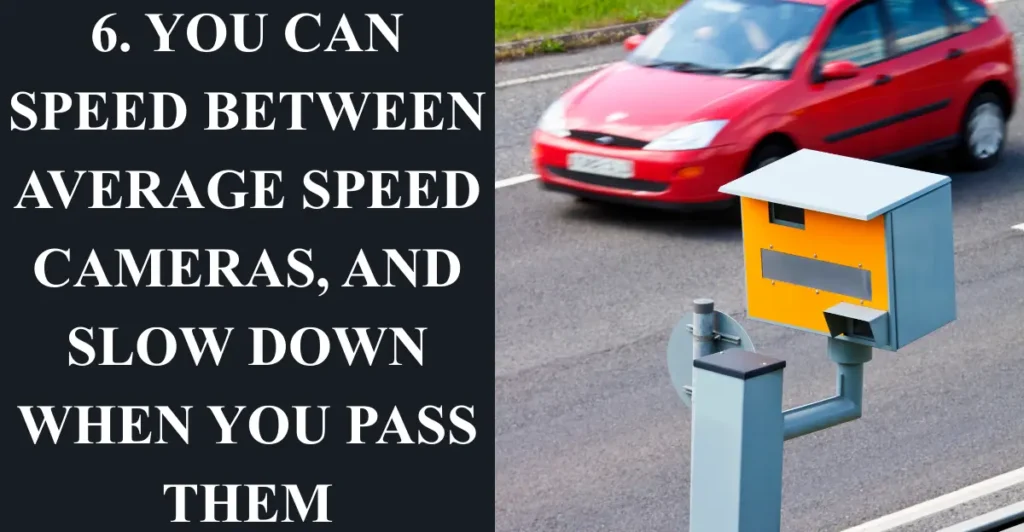
Some drivers think average speed cameras are a pain you can dodge by slowing down at each point and then get away with speeding in between, but this is simply wrong.
These systems work out your average speed over a set distance, often miles apart on a motorway, such as 10 miles, calculating recorded speed by the time taken from point A to point B, meaning even quick bursts above 50 mph or the average speed limit raise your higher average speed, and the cameras will know no matter how much you slowed down.
In my experience analyzing speed data logs, I have watched drivers confidently accelerate between cameras, only to be caught because the math never lies.
7. Speed cameras have to be painted yellow, or they’re not legal
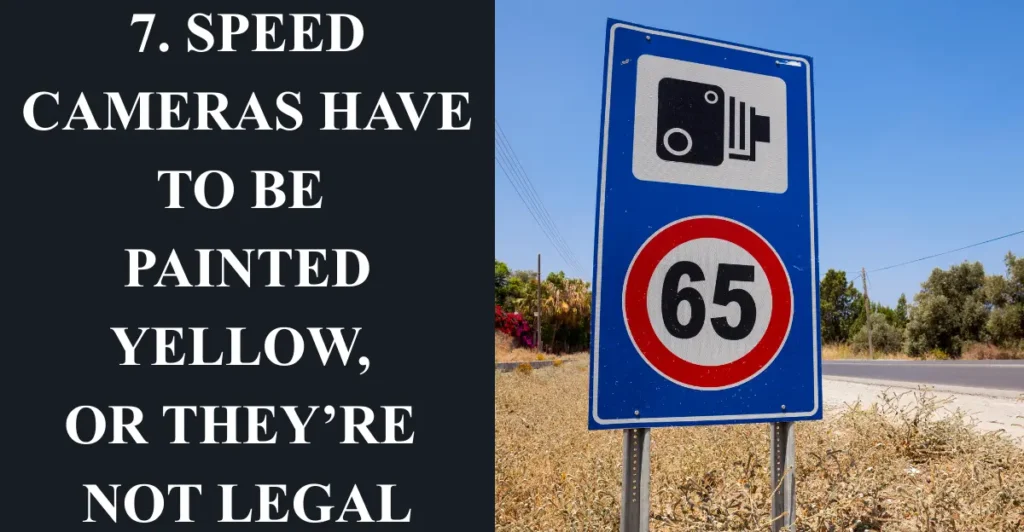
Many people believe the myth that speed cameras must be painted yellow to be legal, but this is no truth and has obscure origins.
There is no legal requirement for a stand-out colour on UK roads, and courts have repeatedly confirmed that speed cameras are legally enforceable regardless of visibility point. The painted yellow idea may serve as a reminder to slow up, but relying on it for compliance or thinking it affects legality is misguided.
From my experience reviewing traffic enforcement regulations, many drivers are surprised to learn that colour does not affect a camera’s authority, and overconfidence in this myth leads to unnecessary risk.
8. You don’t have to tell your insurer if you’ve been on a speed awareness course
In recent years, a speed awareness course has become a grey area, but people assume they don’t need to declare it to their insurer, which is hotly debated.
The main reason to always declare is that failure to do so could invalidate your insurance policy, render it null and void, and make you liable for horrendous costs if you need to make a claim. Even if the overall insurance cost is a small amount, not declaring it exposes drivers to far greater financial risk, and definitely should be part of responsible driving.
From my work advising drivers on insurance and safety, I’ve seen firsthand how misunderstanding this can lead to unnecessary disputes and costs, making honesty the safest choice.
9. If there’s no speed camera warning sign, you can’t be fined
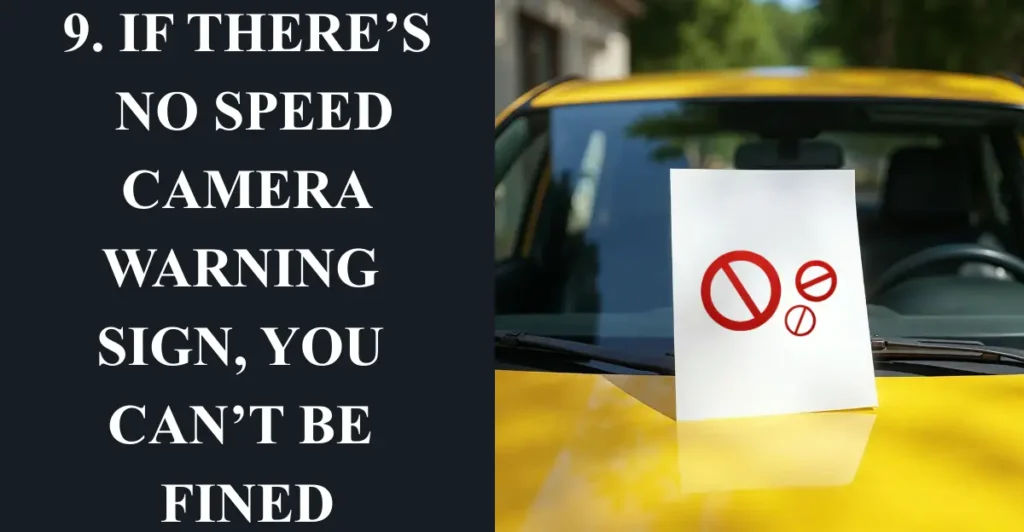
It is not true that the absence of speed camera warning signs means you cannot be fined. While signs are a common sight on roads and act as a deterrent, there is no law requiring them for fixed speed cameras or mobile speed cameras.
These cameras may be marked or unmarked in a speed camera zone, and even in an area free from signs, the chance of encountering a speed trap is real. Drivers tempted to put their foot down on a quiet stretch of road should remember that enforcement is still active.
From my experience patrolling and analyzing camera zones, many drivers overestimate the protection of missing signs, only to be fined unexpectedly, highlighting the importance of constant vigilance.
10. Speed cameras are just there to make money
Many people complain that speed cameras exist simply to make money, believing the main goal is collecting fines or penalty fees from speeding drivers.
In reality, the system means much more: since 1992 to 2016, speed traps and speed cameras in place have reduced accidents by 17-39% and fatalities by 58-68% within just 500 metres of enforcement, showing significant safety benefits from data collected rather than revenue.
In my years working with road safety data, I’ve seen firsthand how camera enforcement genuinely prevents accidents and saves lives, proving they are not just a money-making tool.
Conclusion
Busting common speeding myths helps drivers stay safe, follow the law, and avoid costly fines. Understanding how speed cameras, average speed zones, and enforcement really work makes every journey on roads and motorways safer, smarter, and more responsible.
FAQS
What is the best excuse to appeal a speeding ticket?
21% say they are late for work. 25% tell police there is a medical emergency. 20% say they have to use the bathroom. 14% say they didn’t see a speed limit sign.