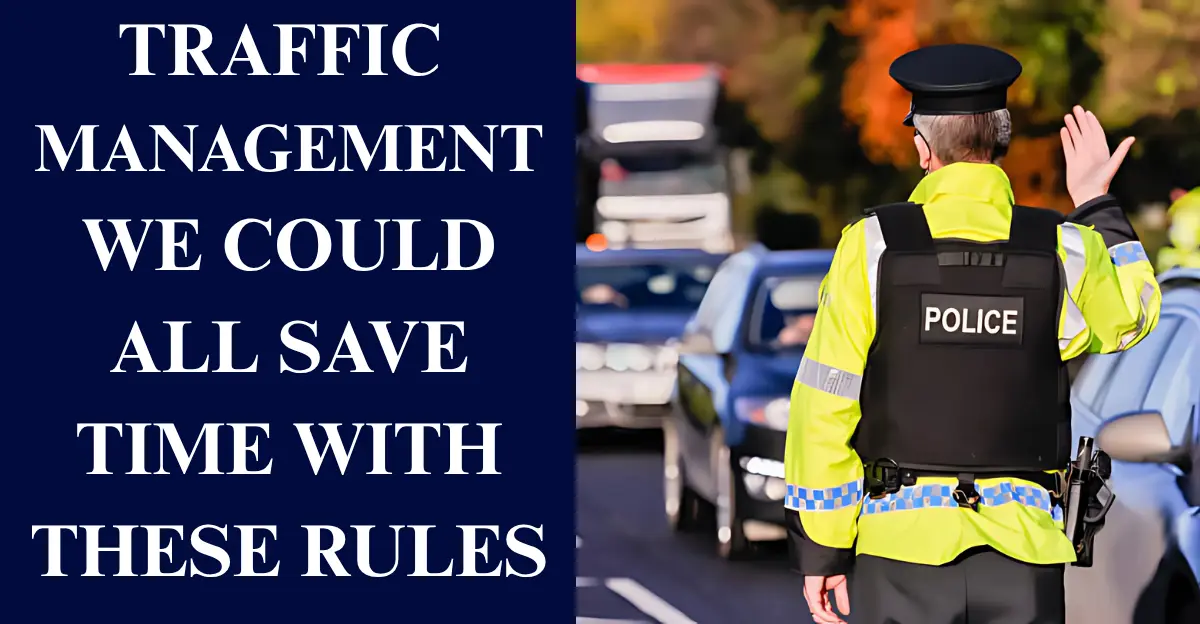
In 2017, the average driver in the UK spent 32 hours each year sat in traffic jams, with the country ranked the third worst in Europe for congestion. Recent data shows this worsening trend is costing Brits billions in direct and indirect expenses. Follow these traffic management rules to help keep Britain’s roads jam-free and improve every journey.
Table of Contents
1. Ease Merge Queues with the ‘Zip Merge’
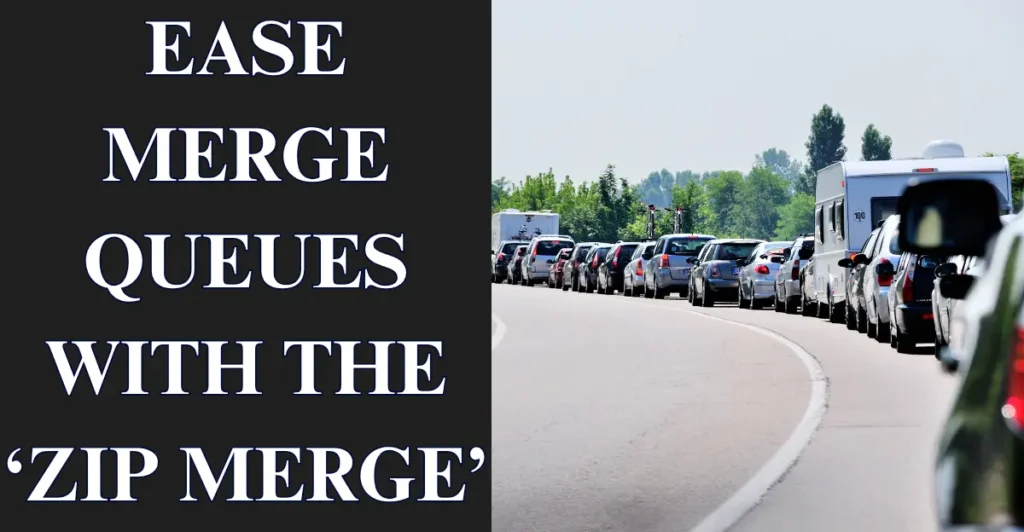
On a busy motorway, merging can spark conflicting rules and opinions among drivers, with some believing merging early is the best and fairest approach. However, on a carriageway where every inch should be used to the point of closure, the zip merge model, popular in North America, offers a smarter option. Here, lanes of cars alternate at reduced speed, making it easier to merge without leaving others disadvantaged, while maintaining the pace and flow to reduce the impact of road rage and the likelihood of back-ups.
When moving through sporadically congested areas, advocates of this method point to cuts in tailbacks by up to 40%, meaning you might get home earlier. While the behavioural shift to more courteous driving and better signage instructing proper lane use is still unlikely across all UK roads, this method remains one of the most effective tools in traffic management.
From my own experience, driving in cities where the zip merge is the norm has shown me just how much calmer and quicker journeys can be. In the UK, I have often been stuck behind hesitant motorists who merge too soon, creating unnecessary tailbacks. But when I apply the North American style merge, the traffic seems to breathe, pace improves, flow is steady, and I have even avoided arriving late on days when every minute mattered.
2. Don’t Hog the Middle Lane
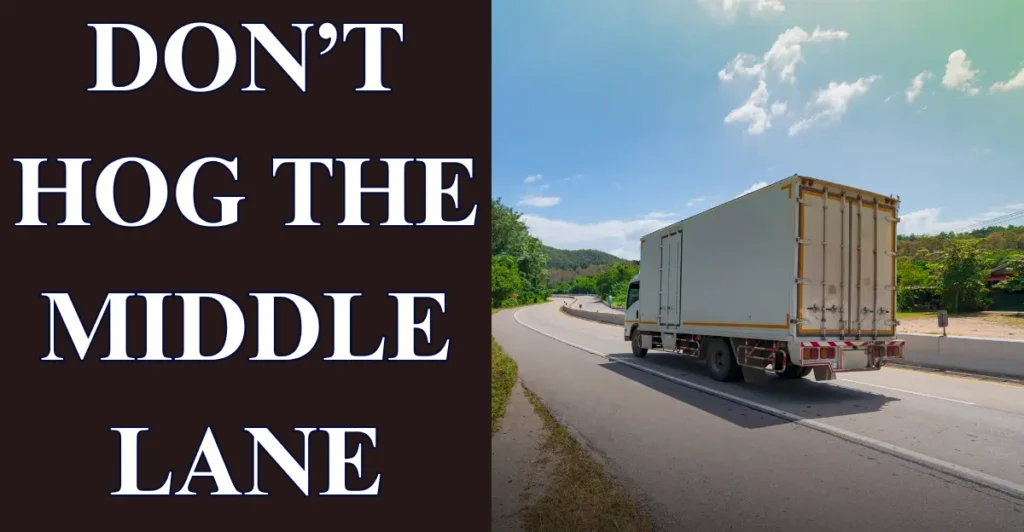
In 2013, the government announced plans for a £100 fine and penalty points to target drivers hogging the middle lane on a motorway, aiming to ease congestion and improve travel along the UK’s 2,173-mile motorway network. The risk of being deterred did not stop the dreaded driver, like the young man I once saw driving his car while eating food, from causing traffic issues in the wrong way.
Middle-lane hogging reduces capacity by effectively removing a third of the carriageway, leaving an empty but busy left-hand lane for others to overtake. This behaviour increases volume and slowing in traffic, yet remains prevalent due to a reluctance to undertake. In British driving culture, slow-moving vehicles should be overtaken and then moved back left, but too often these no-nos are ignored, especially on fast roads where speed is vital to increase the chance of avoiding tailbacks and bottlenecks.
From my own time on the UK roads, I have noticed that middle-lane hogging is one of the most frustrating yet avoidable causes of delays. I have driven on stretches where one slow-moving vehicle in the middle has caused a ripple effect of slowing traffic for miles. When I keep left except to overtake, not only does my own journey stay smooth, but I can see in my mirrors that the overall flow of traffic improves for everyone.
3. Maintain a Large Space Ahead of Your Car on the Motorway
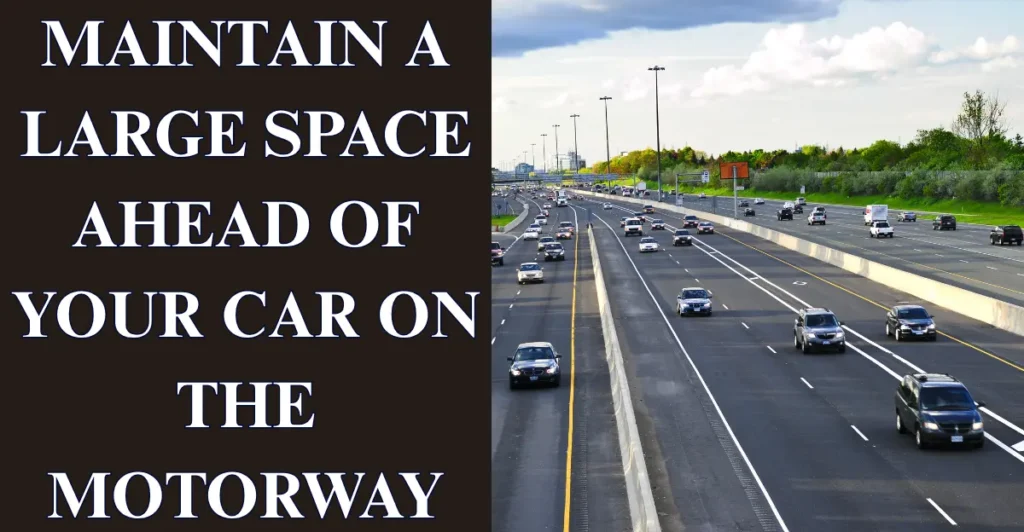
Tailgating is not only dangerous and illegal, it also worsens congestion by disrupting the flow of traffic on the motorway. A responsible driver follows the two-second rule, leaving enough space between vehicles so that any lane change or overtake can be done freely without causing sudden brake reactions that lead to tailbacks.
When cars are grouped too closely, they can become stuck behind a slow-moving vehicle or truck, with repercussions such as slowing the overall pace, increasing the risk of dangerous lane changes, and making moving at consistent speed harder. Keeping a safe gap, using road chevrons as guidance, and being prepared for unexpected stops are signs of good driver behaviour and courtesy, whether in the middle or fast lane.
From my own driving experience, maintaining that two-second cushion has saved me from more than one near miss. I have seen impatient motorists tailgating in the fast lane, only to slam on their brakes and cause a ripple of slowing traffic behind them. By consciously keeping a gap, I not only feel more in control, but I notice how the vehicles behind me also settle into a smoother flow.
4. Don’t Make Unnecessary Manoeuvres When Driving in Town

There are times when I have been held up behind a fellow motorist attempting a tricky manoeuvre on a busy road in the middle of town, only to realise it was an illegal three-point turn that created a queue of people on their way to work. Ill-advised manoeuvres like this hold up roads, make a journey slow, and disrupt the flow of traffic in towns and cities.
Common examples include turning from a main carriageway into a quiet side street without warning, or making a manoeuvre that affects other vehicles in the same lane. Even parallel parking can become a problem when drivers attempt to park in a space too small, holding a queue for an unnecessarily long time with repeated attempts. These situations waste time, cause stressful manoeuvring, and show a lack of courtesy to other road users who simply want to move on quickly without incident.
From my own years driving through busy city centres, I have learned to anticipate when a car ahead is about to waste time with awkward manoeuvres. By avoiding these mistakes myself and planning moves where they do not interrupt the flow of others, I find my journeys are smoother, less stressful, and far more considerate to everyone sharing the road.
5. Drive at a Constant Speed to Reduce Traffic Jams
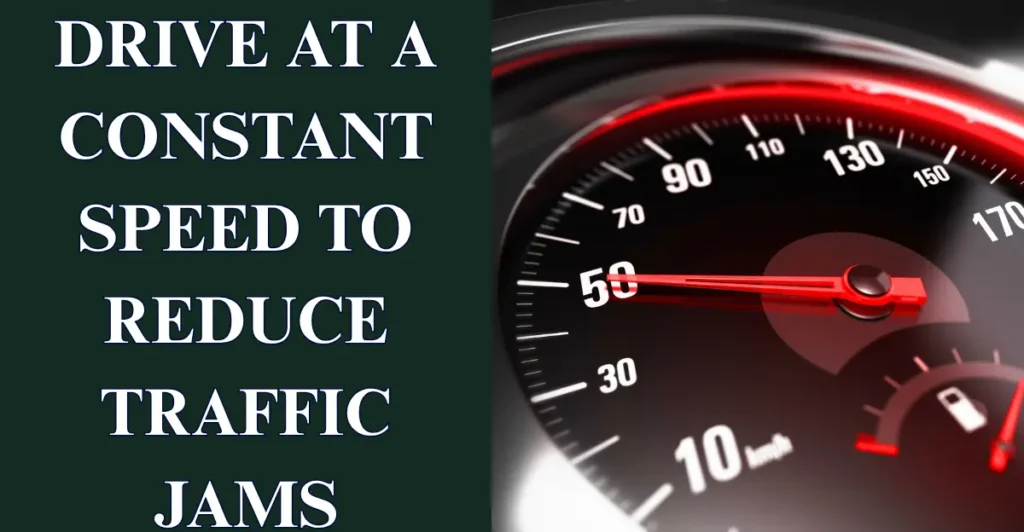
Driving at an erratic speed is not only dangerous but also one of the main causes of traffic jams, as motorists who frequently hit the brake create a chain reaction of lights that inhibits safe overtaking and leaves cars stuck in the middle lane. This behaviour can clog a carriageway, slowing everyone down unnecessarily.
Using the cruise control feature on a motorway can help maintain a steady, constant pace, ideally around 70-80mph where legal, making journeys safer and helping to reduce the likelihood of queues and hold-ups for all road users.
From my own driving experience, I have found that keeping a consistent pace, especially on long motorway stretches, makes every journey smoother and calmer. When I lock into a steady speed instead of reacting to every minor slowdown, the traffic behind me also flows better, and I can often avoid getting caught in stop-start jams altogether.
Conclusion
Adopting smart traffic management habits such as maintaining a steady speed, avoiding middle-lane hogging, and using the zip merge can significantly reduce congestion and keep journeys smooth. Consistent driver behaviour helps prevent traffic jams and enhances safety for all road users. Apply these rules today to experience faster, calmer, and more efficient travel on the UK’s roads.
FAQS
How can we manage traffic?
Smart Approaches to Resolving Road Traffic Problems.
Promoting Public Transportation.
Carpooling Initiatives.
Modernizing Infrastructure.
Non-Motorized Transport.
Intelligent Traffic Management Systems.
Use of Alternative Routes.
Developing Park-and-Ride Facilities.