
Owning classic cars demands dedicated care, constant attention, and consistent effort to keep a vintage motor in good condition. With proper vehicle maintenance, upkeep, and preservation, your classic car stays looking sharp and performing at its best condition. Follow expert hints and tips for effective automotive care and protect your investment.
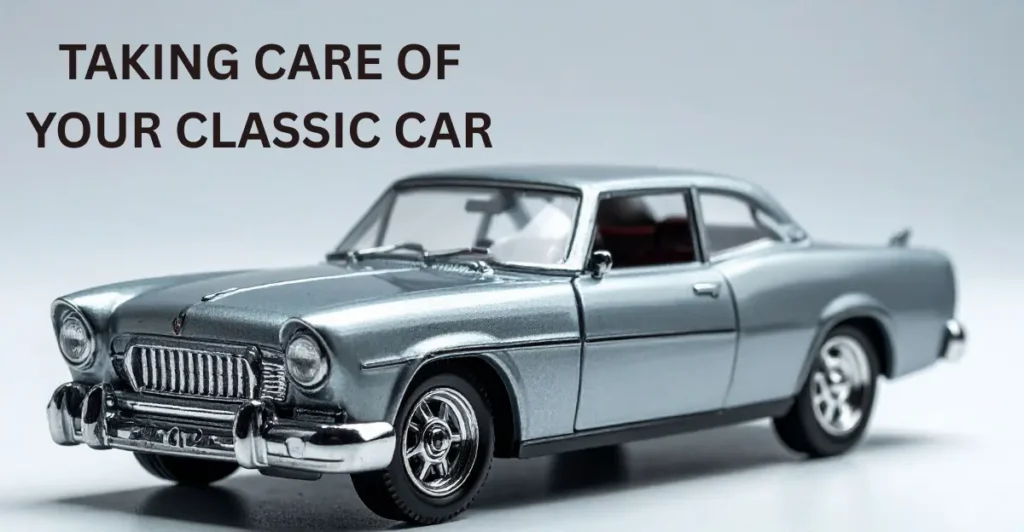
Table of Contents
Check Your Fluids Regularly
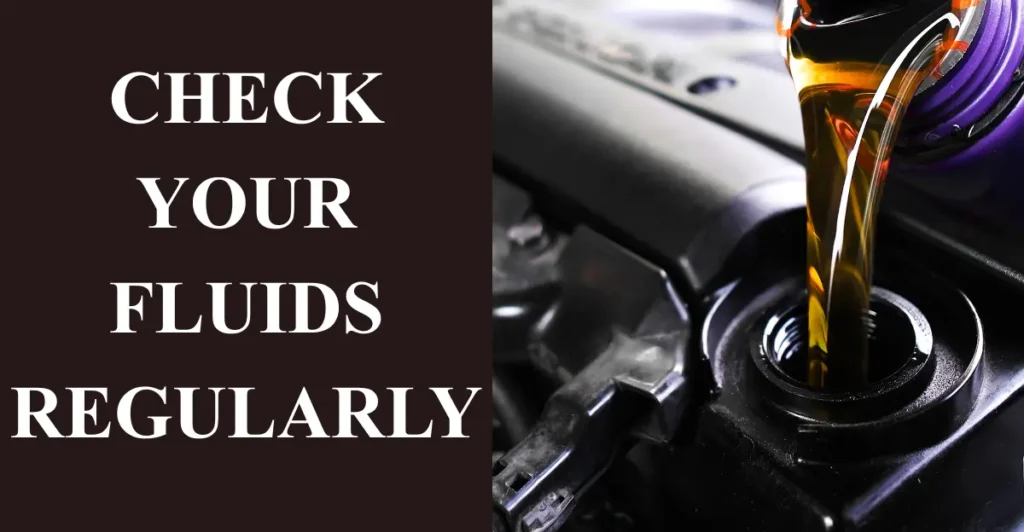
Monitoring fluid levels in your classic car is essential for optimal performance and long-term maintenance, including coolant, oil, and brake fluid. Always inspect for contamination, milky appearance, particulate, or unusual colour, as these signs indicate rust, corrosion, or moisture in the system. Use distilled water mixed 50/50 with anti-freeze for proper coolant flush, check oil filter and change oil according to miles or weeks, and ensure brake fluid is replaced before brake failure risks appear. Watch for leak, grit, or dirt, spin the wheels to detect issues, and maintain regular inspection to keep your vehicle performing at its best condition.
Over years of working on vintage motors, I’ve found that a simple, disciplined routine of checking fluids before every drive prevents costly repairs and keeps the classic car both safe and reliable, giving peace of mind while preserving originality.
Take Good Care of Your Tyres
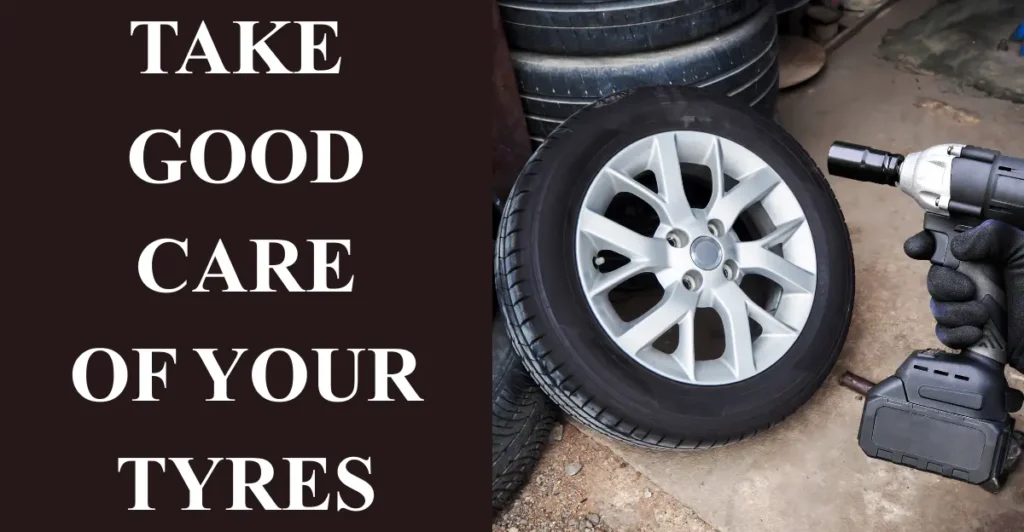
Regular maintenance of tyres is the first step to ensuring a classic car stays safe, reliable, and delivers excellent handling, grip, and comfort.
- Perform tyre pressure checks each month or before a trip.
- Conduct visual inspection of tread depth, damage, cuts, slashes, bulges, cracks, or embedded glass and nails.
- Avoid overinflated or underinflated tyres.
- Replace worn-out tyres or old tyres, and never use illegal tyres to prevent hefty fines, points, or licence issues.
- When parked for long periods, prevent flat spots by placing the car in neutral, allowing wheels to roll, or removing wheels and storing horizontally in a dry environment free of moisture to protect the rubber from cracking and deforming under the weight of the vehicle.
From years of restoring and driving vintage motors, I’ve learned that meticulous care of tyres, even when the car sits for months, dramatically improves ride comfort and prevents costly replacements while keeping the classic car safe and reliable on every journey.
Keep Your Classic Car Well Maintained
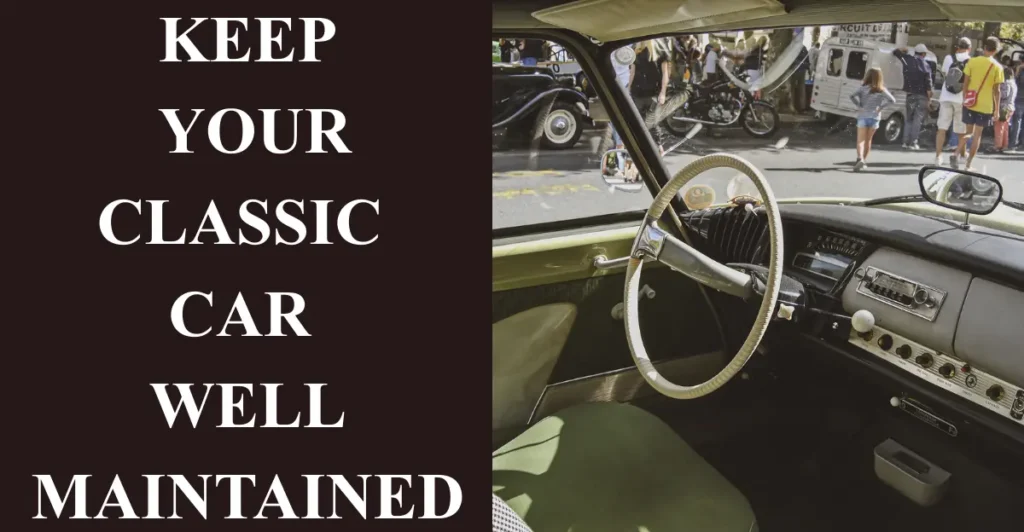
Here are the key points to keep your classic car in peak condition:
- Perform visual inspections under the bonnet to check spark plugs, terminals, belts, hoses, and battery health.
- Replace faulty plugs and clean accumulated deposits with a baking soda and water mix or petroleum jelly to prevent corrosion and residue buildup.
- Monitor belts and hoses for splits, bulges, hardening, leaky hoses, faulty belts, or sheared teeth on the timing belt to avoid engine failure.
- Spin the engine regularly, allow it to warm up in cold weather, and ensure proper oil and grease circulation to prevent melting, wear, cracks, or condensation issues.
- Stick to scheduled services, miles, and regular driving to maintain engine life, prevent starting problems, and reduce unusual noises across all models.
From my years of hands-on experience, carefully checking spark plugs, belts, and hoses during each inspection has kept even older classic cars running smoothly, avoiding costly repairs and preserving reliable performance.
Keep Your Car Clean
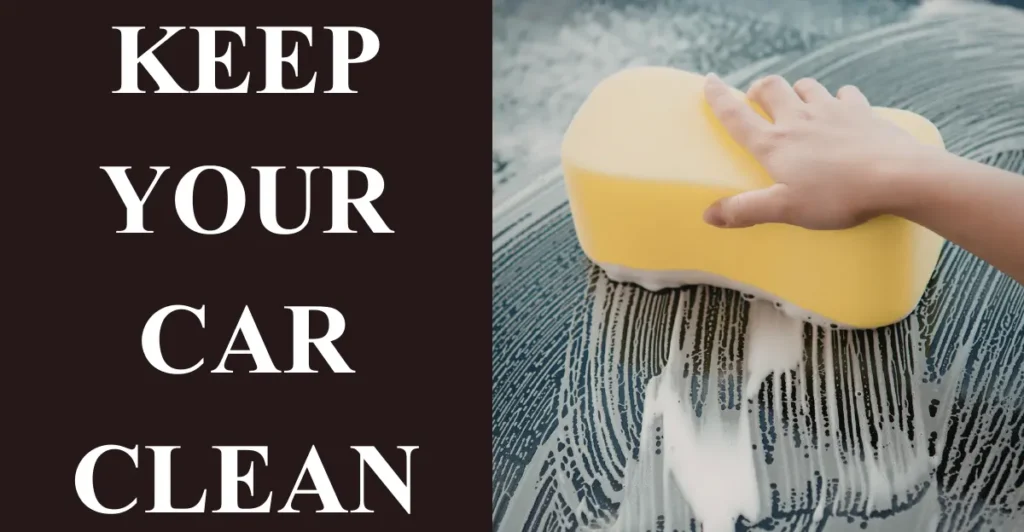
Here are the key points to keep your classic car spick and span and protected from corrosion:
- Regularly clean the bodywork, undercarriage, wheel wells, and engine compartment to remove dirt, grime, debris, salt, and other impurities that cause lasting damage.
- Wash by hand each month or after a trip, paying extra attention to airborne contaminants, paint chips, scratches, bird droppings, tree sap, and dust that settle on paintwork.
- Apply quality wax, sealant, or anti-corrosion spray to maintain a glossy finish and prevent rust formation, especially during colder months, autumn, or winter months when frost, damp weather, and harsh roads increase the risk of corrosion.
- When parking outside, use a car cover with a soft inner lining to shield the vehicle from rain, falling leaves, and other elements, ensuring extra care in harsh conditions.
- Regular cleaning and protection of vintage motors helps classic car owners maintain their vehicles in top condition while avoiding formation of rust or lasting damage over the years.
From my experience, taking the time to wash by hand and protect every corner of a classic car, even during winter months, preserves paintwork and keeps the car looking flawless while preventing costly rust repairs.
Make Sure Your Classic Car Is Stored Correctly

Keeping your classic car stored correctly is essential to preserve its shape, performance, and value while sitting idle for long periods.
- Store the vehicle in a dry, ventilated garage with an ideal climate to prevent moisture, corrosion, mould, and mildew from affecting fabric, soft-top, or hood folds.
- Use a dehumidifier or airflow tent to maintain circulation and lift wipers off the windscreen to avoid sticking.
- Place wooden chocks to prevent the vehicle from rolling away and turn the handbrake off to avoid seizing.
- Disconnect the battery or maintain it with a trickle charger to prevent power loss during inactivity.
- Fill the fuel tank with ethanol-free petrol and add fuel stabiliser to protect fuel lines and the engine from water, debris, or lasting damage.
- Proper storing ensures the classic car stays protected from the elements and ready to drive after months of inactivity.
From years of managing vintage motors, I’ve learned that controlling the environment, monitoring the battery, and safeguarding the fuel system prevents costly engine and corrosion issues, keeping a classic car in pristine condition no matter how long it’s parked.
Conclusion
Proper storage and diligent maintenance keep your classic car in peak condition, protecting it from corrosion, engine damage, and wear over time. Regular checks of fluids, tyres, spark plugs, and bodywork, combined with careful storing practices, ensure your vintage motor remains safe, reliable, and performing at its best condition. Following these expert tips preserves your vehicle’s value and extends its lifespan for years of enjoyable driving.
FAQS
How do you maintain a classic car?
Use the correct type of gas.
Select the right oil.
Check the brakes.
Check fluid levels.
Pay attention to odors.
Inspect your tires.
Keep an eye on the battery.
Wash your classic the right way.