
A classic car deserves careful storage, and this guide protects the time and money you have invested to keep it in good condition during long periods of not using it in winter or a holiday, making preparation important. With smart thought, proven tips, and simple checklists, it will help you keep your car safe, properly store it, and use quick links to jump to any section with ease.
Table of Contents
Where to Store a Classic Car
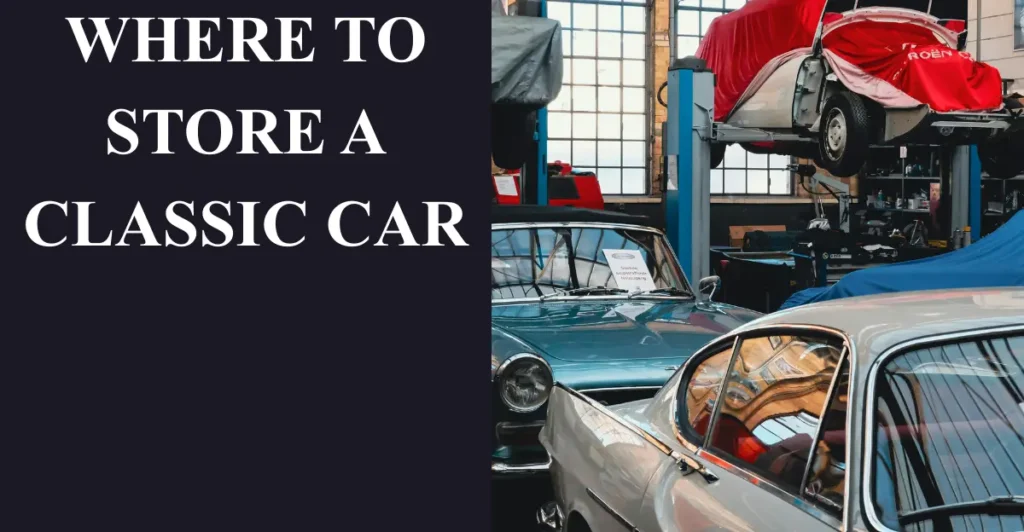
Choosing where to store a classic car is important because the right space must offer real protection from harsh weather, sudden temperature extremes, and damaging moisture, while also remaining secure, and among the most common places where cars are kept, only those that truly provide consistent conditions follow proven tips for protecting the car from harmful elements without risking long term deterioration.
From my own experience working with stored vehicles over many years, I have seen well chosen storage spaces preserve originality and value, and I personally rely on controlled environments after learning costly lessons early in my career.
Classic Car Cover

A classic car cover is essential for covering and protecting your vehicle in cold weather, designed to prevent condensation and maintain a close fit that matches the purpose built specification of your car, avoiding issues if it is slightly too big, and when properly pegged and fully covered, it ensures maximum protection against dust, moisture, and other damaging elements.
From my personal experience, investing in a high-quality, fitted cover has saved my vehicles from paint damage and rust during winter storage, proving that the right cover is as crucial as the storage location itself.
Brick Garage
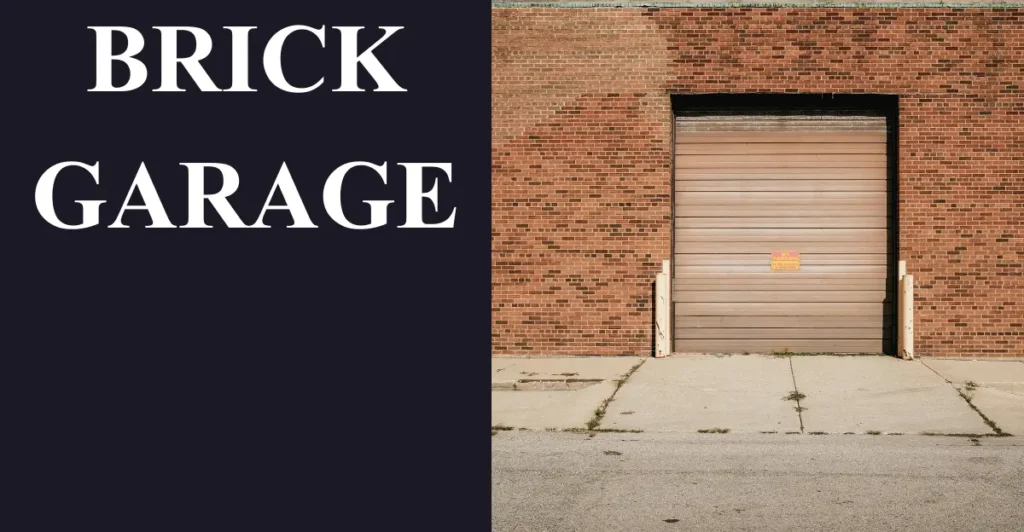
A brick garage offers the best protection for a classic car, whether attached to the house or a standalone unit, with solid bricks providing stable temperature and a moisture free environment, preventing condensation even in cold conditions. Carefully managing any gap around the garage door and covering the vehicle in cold weather ensures the temperature inside stays balanced throughout winter and summer.
Owners should take action to upgrade locks, as standard locks are easy to break, using padlocks for a more secure setup and leaving open windows slightly to let air circulate without compromising safety.
From my experience storing classic cars in brick garages, maintaining proper ventilation and reinforced locks has kept my vehicles safe from moisture damage and theft, making this approach a reliable long-term solution.
Pre-Cast Concrete or Wooden Unit
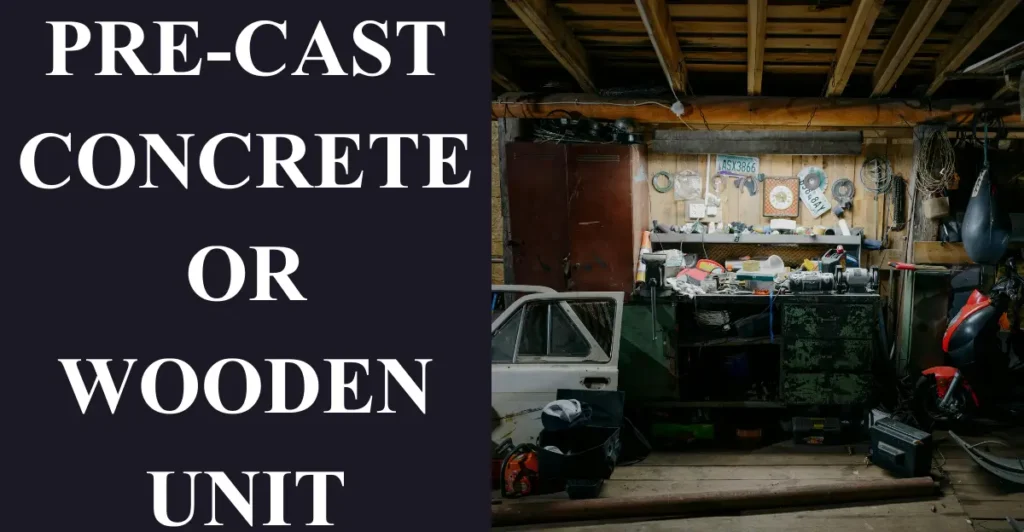
A pre cast concrete or wooden unit offers a quicker option than a brick garage, making efficient use of space, time, and budget while still protecting your car from the worst elements. These units are often used as a barn or outbuilding on property, can be built for secure locking, and covered to keep animals out while avoiding damp.
Unlike temporary pop up structures or a gazebo, which are easy to put up but less sheltered, maintaining breathability is essential, as reduced flow of air can let mould and mildew develop, so combat this by adding fans to circulate air and prevent stale conditions.
From my experience, well-planned concrete or wooden units with proper ventilation and secure locks can protect vehicles almost as effectively as traditional brick garages, while offering flexibility for properties with limited space.
Outdoors
Storing a classic car outdoors can be a viable option if you properly protect your investment with a cover that is purpose built for the type of car, ensuring maximum protection through a close fit to prevent wind rub and match the exact specification, while avoiding issues if it is slightly too big, and when properly pegged in place, it shields the vehicle from direct sunlight, bird droppings, tree sap, moisture, and rain.
To further safeguard, lift the car off the ground, supporting tyres, wheels, and the undercarriage, and choose a tarpaulin rather than a standard tarp or plastic sheeting to breathe and reduce condensation, preventing mould and mildew from developing.
From my personal experience, carefully covering and elevating vehicles outdoors has kept my classic cars safe through harsh weather, but only when using high-quality, breathable covers that fit correctly and allow airflow.
How to Store and Lay-Up a Classic Car

- clean the car thoroughly inside and out, removing all dirt, dust, salt, and moisture, as these substances left on exposed surfaces or in the interior can cause rust, corrosion, mould, and bad odours, making this step essential for long term storage.
- Apply a good hard wax to paintwork to keep it protected from rust, moisture, and damage; a proper wax can last a few months, keeping the finish shiny when you next drive, while always inspecting and treating rust spots straight away.
- Lift windscreen wipers slightly away from the windscreen to keep them clean and dry during storage.
- Remove the battery if planning to leave the car laying up for longer than a month, preventing it from draining charge.
- Raise the car on blocks or jack stands, remove the wheels, and carefully place the vehicle to preserve the shape and condition of the tyres, relieving stress on the suspension.
- Use wheel chocks instead of relying solely on the handbrake, which can seize over time, a good idea to keep off and hold the car safely in place.
- Open windows slightly to encourage air flow, which is important in a well ventilated space for long term storage, allowing the cabin to air out; using fans once a week further ensures safe air circulation.
From my experience, following these steps meticulously has preserved multiple classic cars over winters and extended periods, preventing rust, odours, and mechanical stress, proving that careful preparation is key to long-term vehicle preservation.
Maintenance Tips When Your Classic Car is in Storage
- check the car regularly for condensation and moisture that can gather inside, as this can lead to mould and bad odours forming during storage.
- turn the engine over from time to time, allowing oil to circulate through the engine, which is important to prevent internal parts from seizing up or developing faults; aim to switch on and run the car for 5 minutes every week.
- take the car out to spin it in dry weather, a good idea to take out and drive briefly to replenish engine fluids, charge the battery, and improve air flow; remember to clean the undercarriage with a hose to remove salt and road dirt before laying up again.
From my experience, performing these maintenance routines weekly or biweekly has prevented moisture damage, kept the engine in top condition, and ensured the battery remains charged, making long-term storage much safer and less stressful for classic vehicles.
Conclusion
Proper classic car storage keeps your car in good condition, preventing rust, mould, and mechanical faults. Following expert tips and maintenance routines ensures it stays safe, preserved, and ready to drive, providing maximum protection and long-term value.
FAQS
What’s the best way to store a car for a long time?
Best option: climate-controlled indoor storage — stable temperature and low humidity greatly reduce corrosion, interior degradation, and mold. Good alternative: dry, well-ventilated garage — keep off direct concrete (use wooden blocks/plywood under jack stands) and use a breathable car cover.
Is it worth keeping a classic car?
Many classic cars hold value better than modern counterparts. They also tend to hold value better than other motorized ‘toys’ such as boats, snowmobiles, motorcycles, etc. Also, many professionals such as lawyers use a classic car as a way to gain entry into groups of wealthy persons likely to need their services.