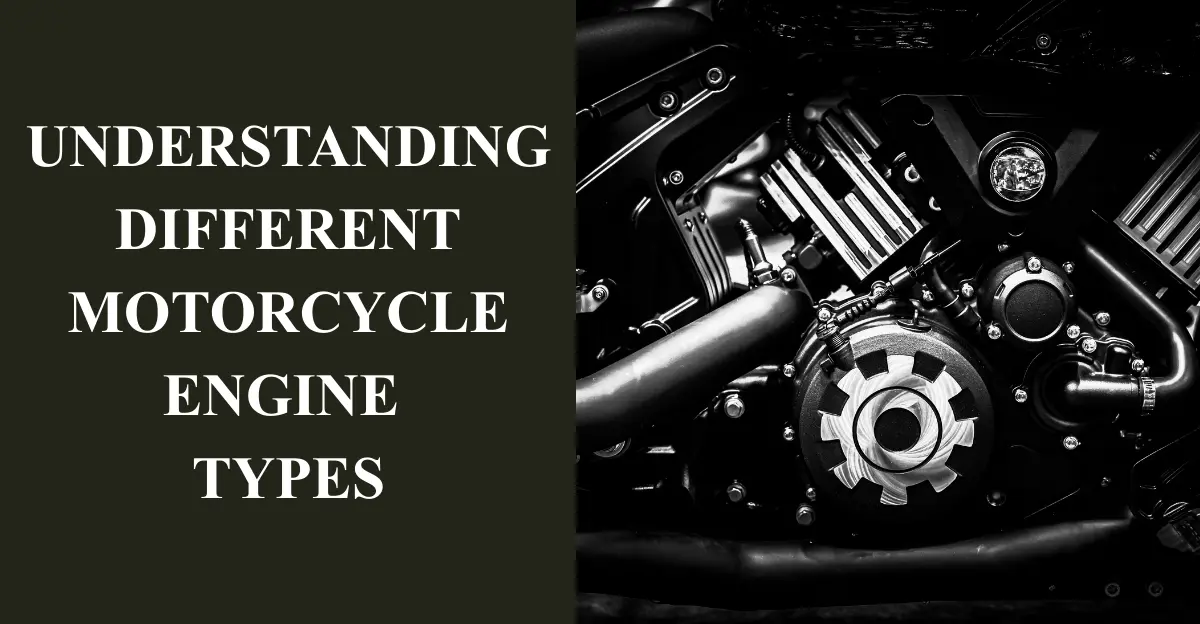
Explore the world of motorcycles and engines by understanding motorcycle engine types, layouts, and variations crafted for smooth two-wheeled travel. Master key differences, follow tips to keep your bike engine clean, and enhance performance with proper fuel additives and maintenance. Take charge of your riding experience and elevate every journey with the right engine variations.
Table of Contents
Motorcycle engines types explained
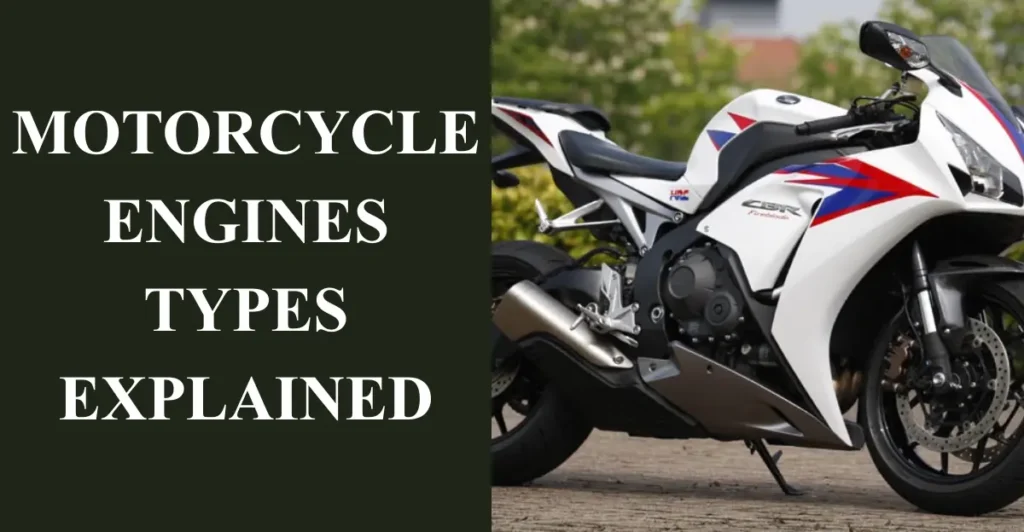
Motorbike enthusiasts often explore different engine types to understand the range and factors that affect performance and riding experience. Engine types are classified into dozens of configurations, each designed to cover specific styles and miles efficiently.
Whether you are riding a hog or a lighter model, there are hundreds of models available and thousands of hours clocked on various bikes, giving riders insight into how each type behaves under real-world conditions.
Riding different engine types after obtaining my licence allowed me to compare nuances in handling, acceleration, and long-distance comfort. Personally, I found that testing bikes across dozens of miles gave me a deep understanding of which engine types truly suit my riding style and maintenance routine.
Motorcycle Engine Layouts
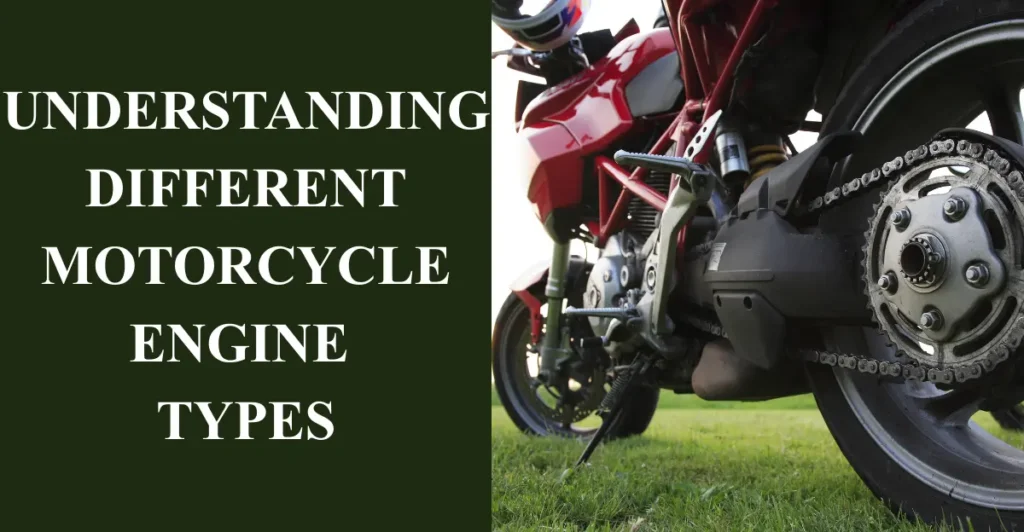
Motorbike manufacturers design engine layouts to optimize performance, weight, and space across different bikes and cars. Common layouts include:
- Single
- Parallel-Twin
- Inline-Three
- Inline-Four
- V-Twin
- L-Twin
- V4
- Flat-Twin
Each layout is classified by cylinders and setup, affecting handling and ride feel. From my experience as a mechanic, knowing these layouts improves both tuning and maintenance efficiency.
Motorcycle Stroke Types
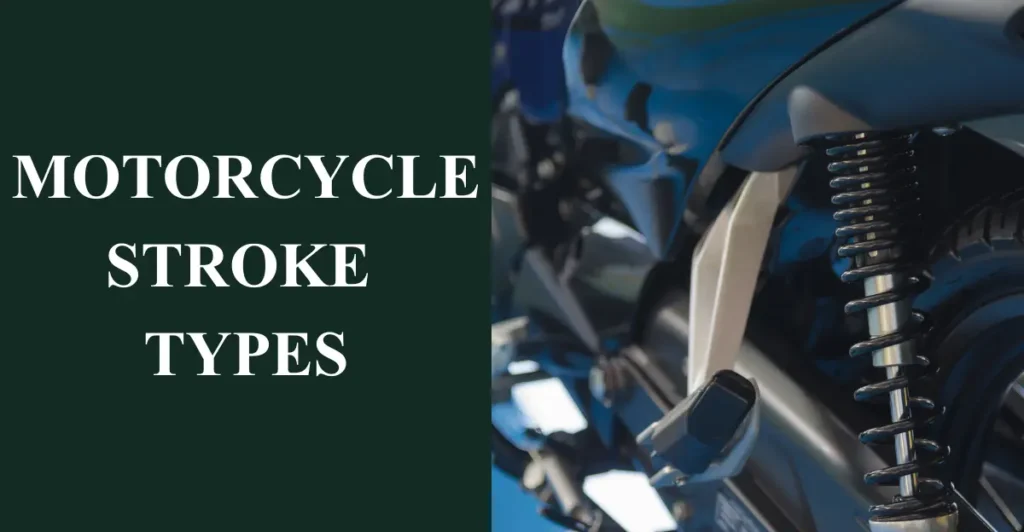
Motorcycle engines fall into two-stroke or four-stroke variations, influencing combustion cycles, efficiency, and economical performance. Examples include:
- Two-stroke: Common in 50CC mopeds and low-powered bikes
- Four-stroke: Found in 125CC, 250CC, 500CC, and larger bikes
Riding both types helped me understand how piston movement and stroke number affect throttle response, acceleration, and fuel usage.
Motorcycle Cooling Methods
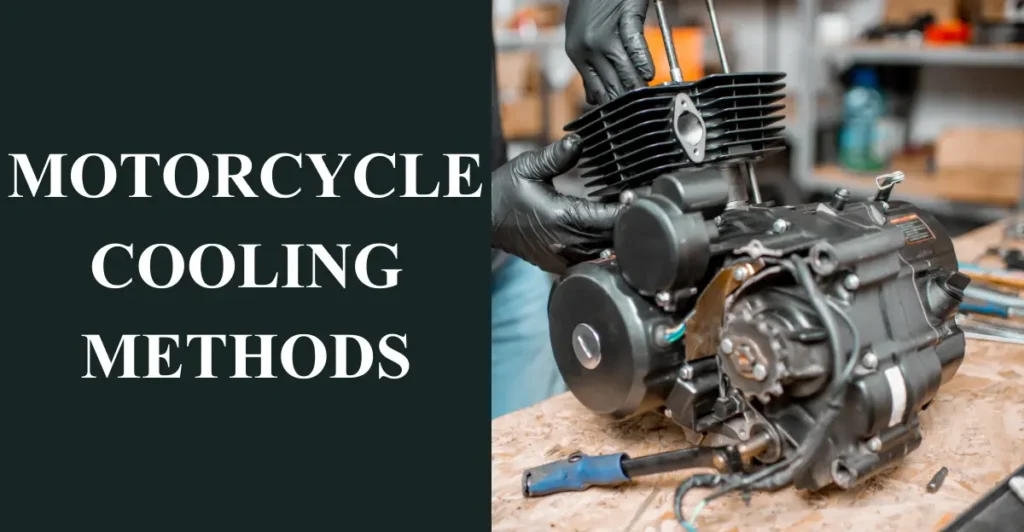
The engine type dictates cooling, either air-cooled with fins and airflow or liquid-cooled using radiator, hoses, and a coolant reservoir.
- Air cooling: Ideal for smaller-capacity engines
- Liquid cooling: Necessary for bigger engines like 500CC+ bikes
Understanding cooling methods ensures engine longevity and prevents overheating during long rides.
Motorcycle Engine Sizes and Capacities
Motorcycle engines vary in size, capacity, and power output, measured by CC rating. Common CC categories include:
- 50CC
- 125CC
- 250CC
- 300CC
- 400CC
- 500CC
- 600CC
- 750CC
- 1000CC
- 1000+CC
Lower CC bikes (50CC, 125CC) can be ridden with a CBT licence, while higher CC models require a full motorcycle licence in the UK. Testing bikes across 125CC, 250CC, and 500CC taught me how engine size affects handling, performance, and ride comfort.
How do I clean and maintain a motorcycle engine?
Maintaining a motorcycle engine requires knowing how to clean and care for its components safely. Check and service engine oil at intervals of 4000 miles or 6 months, and always lubricate moving parts using a guide of steps for regular performance. For liquid-cooled engines, keep coolant at maximum for efficient cooling. Inspect, clean, and lubricant the chain, and never let fuel stand; always replace old fuel with fresh before the first ride using a baster or motorcycle engine fuel additive.
I have found that spending just 30 minutes each month on these steps keeps my bike’s engine quiet and responsive. Refreshing the oil, coolant, and chain care often shows immediate improvements, and maintaining this routine consistently extends the life of the motorcycle, making every ride smoother and more enjoyable.
Conclusion
Maintaining a motorcycle engine effectively ensures your bike performs at its best and lasts longer. Regular cleaning, timely oil changes, proper lubrication, monitoring coolant levels, and keeping fuel fresh are essential steps in engine care. Following these practices enhances powertrain efficiency, prevents costly repairs, and guarantees a smooth and reliable ride for every journey.
FAQS
What are the three types of motorcycle engines?
Most motorcycle engines fall into one of these categories: Single-Cylinder. Parallel-Twin. V-Twin.
What is 1 n 2 3 4 5 gear pattern bike?
Most Indian bikes use the ‘one down, neutral between 1st and 2nd, then the rest up’ setup, like 1-N-2-3-4-5. This order allows you to easily control your speed. Neutral sits between 1st and 2nd gear on purpose, so you don’t accidentally shift into neutral while riding and can keep the bike in gear at low speeds.