
When buying a used car, inspecting the engine ensures its health and overall condition, helping you avoid future problems and unexpected expense. Spotting signs of wear, hidden issues, and keeping a clean, tidy bonnet saves you from breakdowns and costly bills. Perform these checks during your shopping to make a confident and smart purchase today.

Table of Contents
1. Start with the Service History
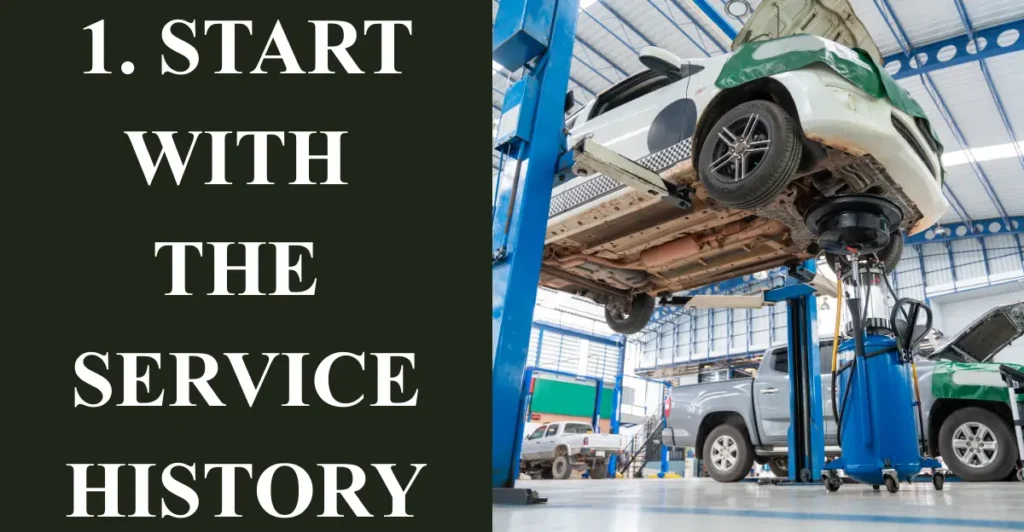
A thorough review of the service history is crucial when evaluating a used car because it reflects the engine’s health and overall condition. Check the logbook or maintenance record for past work, fixes, and detailing in all critical areas, noting whether oil was changed at the recommended frequency.
Buyers should be aware of any missing, incomplete, or careless entries, and compare the schedule with the manufacturer’s recommendations to spot if the current owner might be hiding issues or deliberately neglecting maintenance. Paying particular attention to potential red flags ensures the engine remains fully functional and avoids future concern.
From my experience, carefully examining the service history has saved me from investing in cars with hidden engine issues. I’ve noticed that even small omissions in the logbook often hint at careless maintenance habits. By staying meticulous, I’ve helped friends and clients avoid costly repairs while confidently securing vehicles in good condition.
2. Recognise the Signs of Poor Maintenance

When inspecting a used car, recognising early signs of poor maintenance is vital to assess the engine’s life and avoid future problems. Lift the bonnet and spot any build-up, gunk, or debris around the battery, terminals, and other components, while checking for leaks from the oil, transmission, or cooling system.
Pay attention to unusual burning smell or odour from ignition or fluids, low level in reservoirs, or any holes, cracks, and worn hoses. Use a torch if the car is parked in a covered area to identify visible leaks, and verify that fluids were changed at the correct intervals. A test drive can help you notice issues like discharging battery, unnecessary vibrations, or other indications of neglected maintenance, giving a clear idea of the car’s condition and miles it has travelled.
From my experience, simply lifting the bonnet and taking a careful look with a torch often reveals dirty reservoirs or build-up that owners may overlook. I’ve saved both cash and hassle by spotting minor leaks and worn hoses before purchasing, allowing me to negotiate repairs or walk away from cars with hidden problems. These small checks give a solid sense of the vehicle’s last maintenance and overall reliability.
3. Cold Start the Car
A cold start is one of the simplest ways to check the engine’s general health and reveal any underlying faults or problems that may not appear once the car is warm. Listen for unusual rattling or noise from the starter motor, timing belt, or drivetrain, and observe if the battery is struggling to start the engine.
Watch the exhaust for smoky fumes that could catch a seller or dealer off guard and mention issues they might have tried to hide. Conducting this view at the moment you arrive allows you to easily assess the true condition before any further arranging or negotiations.
From my experience, performing a cold start has saved me from buying cars with hidden engine troubles that only appeared during the first ignition of the day. I’ve noticed that even small rattling sounds or smoky exhaust can indicate serious underlying issues, which gave me a clear idea of the vehicle’s real health before committing to a purchase.
4. Check the Colour of the Exhaust Fumes
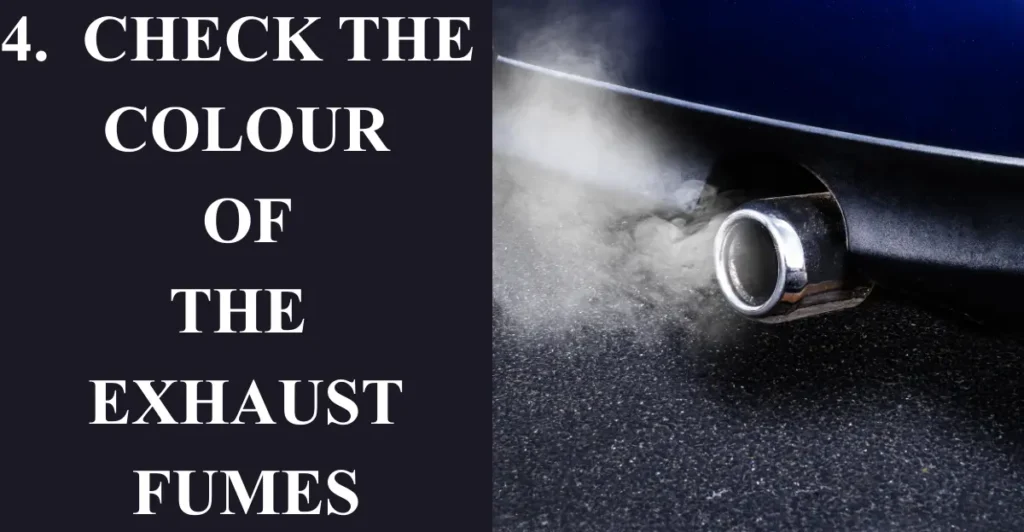
Observing the colour of exhaust fumes is a simple yet effective way to assess the engine’s health in a used car. Smoke coming from the tailpipe during ignition or a test drive can give clear signs of underlying issues: grey-white smoke often means coolant leak, blue smoke indicates burning oil, while black or dark grey points to poor fuel emission or excessive petrol/diesel consumption.
A strong smell of burning oil or unusual fumes producing continuously set off red flags for costly repair or bill, helping you avoid vehicles that are not in proper condition. Almost every used car will give these subtle hints, and recognizing them definitely means you can make a safer purchase.
From my experience, checking the exhaust fumes has often revealed hidden engine problems that were not visible during the visual inspection. I’ve walked away from several used cars because dark grey or blue smoke coming from the tailpipe indicated significant wear, saving me from unexpected costly repairs and ensuring a reliable condition for the vehicles I eventually purchased.
5. Assess the Car’s Idle Noise and Feel

Assessing the idle noise and feel of a car provides a clear picture of the engine’s general health and the state of critical components like the timing belt and battery.
Listen for unusual vibration, knocking, or lulls in power, and check for hesitation during ignition or at low level RPMs. A smooth, stable idle with consistent timing and normal oil and temperature gauge readings gives a good idea of overall engine health.
Look around the engine, and eye any signs that could indicate wear or future problems, because subtle signs often give the most insight into a car’s true condition.
From my experience, carefully listening to a car at idle has helped me identify engines with hidden issues before buying. I’ve noticed that even small vibrations, knocking, or inconsistent timing often give early warnings that the engine needs attention, saving me from costly repairs and ensuring a smooth and reliable feel in the long term.
6. If in Doubt, Take an Expert Along

When buying a used car, bringing a trusted friend or relative who knows engines can make a significant difference in ensuring you make the right commitment. Examining the bonnet and critical components closely with someone experienced helps you spot potentially hidden issues that could cause future trouble or turn a seemingly good car into a heap of junk.
This approach provides peace of mind, lets you feel confident about the purchase, and can save hundreds in unexpected repair bills while ensuring you get the right car for your needs.
From my experience, taking an expert along has often highlighted problems I would have missed alone. Their eyes and experience help catch minor yet crucial issues, ultimately saving time, money, and giving the confidence to make a smart buying decision without regrets.
Conclusion
Ensuring the engine’s health before buying a used car helps you avoid costly repair bills and future trouble. Performing these checks and taking an expert along provides peace of mind and allows you to confidently secure a car in top condition. Start the inspection today to make a smart, safe, and saving purchase.
FAQS
What Should You Inspect Before Purchasing a Used Engine?
Coolant Condition: Remove the radiator cap and inspect the coolant for contamination or discoloration.
Engine Oil: Look at the dipstick. Any foamy residue may indicate a faulty head gasket.
Service Records: Review the engine’s maintenance history, including regular oil changes and repairs.
Spark Plugs: Examine the spark plugs for wear or oil buildup that may signal internal engine issues.
Warranty: Always request a warranty for protection in case of post-purchase problems.