Uncover 20 weird driving laws in the UK you probably never knew about, from odd rules hidden in the Highway Code to quirky dos and don’ts for road users. Explore the quirkier side of driving laws and discover how these rules keep roads among the safest in the world. Read on to learn these bizarre laws and boost your driving knowledge.
Table of Contents
You can be penalised for driving too slowly
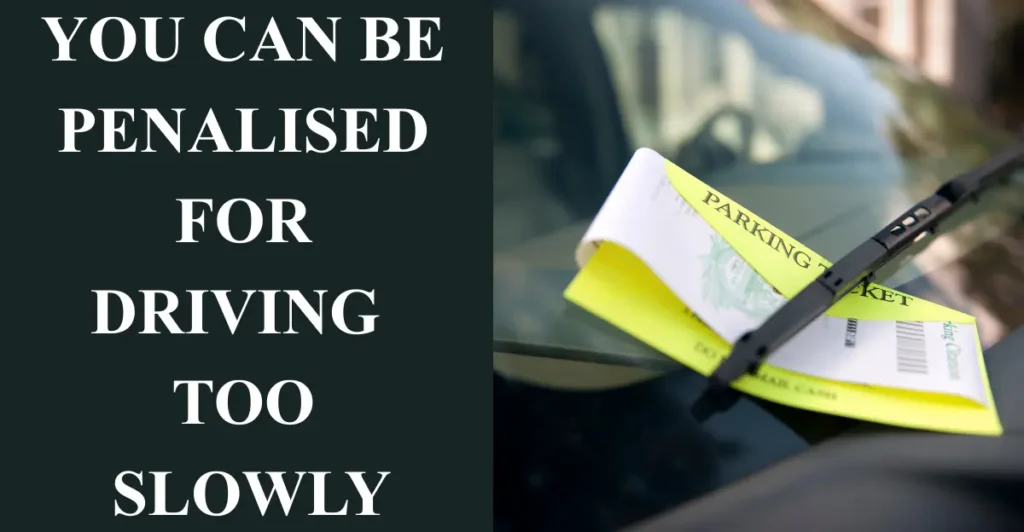
Even though many think speeding is the only offence, driving too slowly on a motorway or main road can get you penalised, as careless driving and very slow driving may be seen as putting safety at risk for other road users. Slow driving can cause traffic build-up and accidents, which is why police keep a close watch on such behaviour.
There are numerous examples of fines and warnings issued to drivers who fail to maintain proper flow, reminding all road users that staying aware of pace is just as important as obeying speed limits.
Over the years, I’ve seen drivers underestimate the risks of moving too slowly, and from personal experience advising motorists, maintaining a steady pace is just as crucial as obeying speed limits to keep everyone on the road safe.
Be careful when paying for things like fuel or fast food on your phone at a drive-through – you could be fined
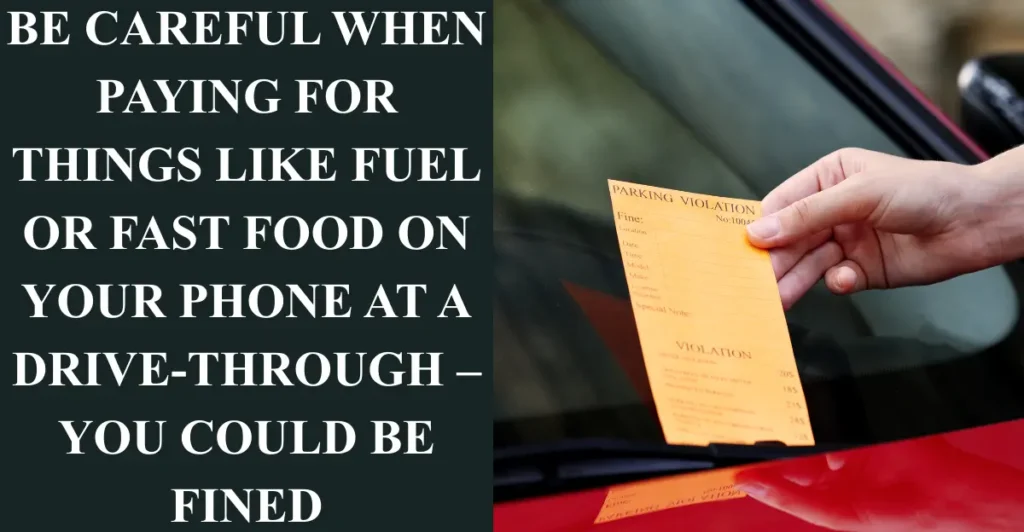
Using a hand-held phone while driving through a drive-through to pay for fuel or fast food can see you fined, with penalties including a £200 fine and the potential to receive points, up to 6 points, on your licence under new laws around using a phone while driving laws.
Being careful with your wallet or phone while paying for drive-through food is essential, as the combination of handling money, ordering, and driving may put safety at risk for yourself and other road users.
From my experience guiding drivers on legal compliance, even a quick transaction at a drive-through can be riskier than it seems, and I always advise keeping the phone stowed until the vehicle is safely parked to avoid fines and points.
Splashing pedestrians is a driving offence
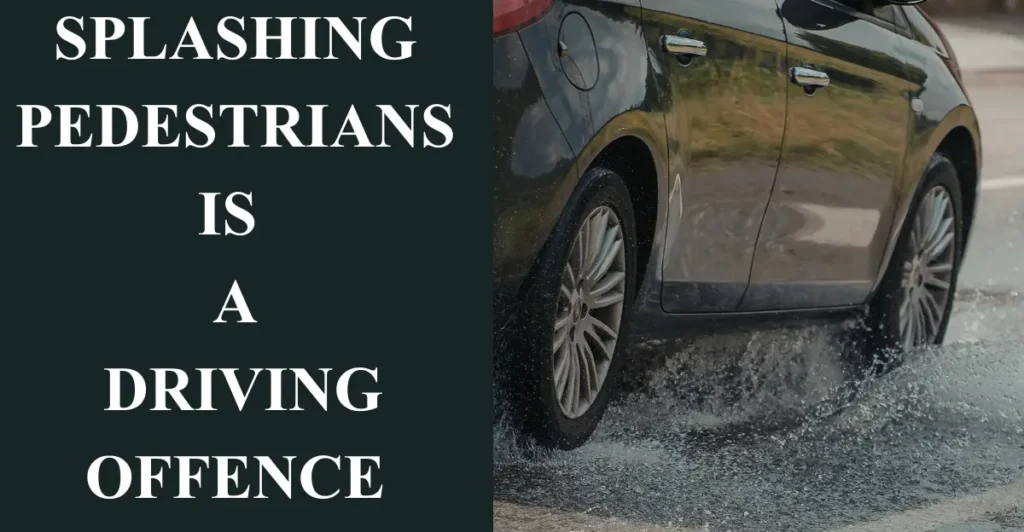
Splashing pedestrians while driving can be classed as driving without due care or consideration, making it a driving offence punishable by a £100 fine and three points on your licence; showing due care and consideration is essential for all road users, and failure to do so can result in a fine and points depending on the category of the incident.
From my experience, even small puddles on city streets require attentiveness, and I’ve often reminded drivers that avoiding splashing pedestrians is as much about courtesy as compliance.
Idling your car unnecessarily is against the law
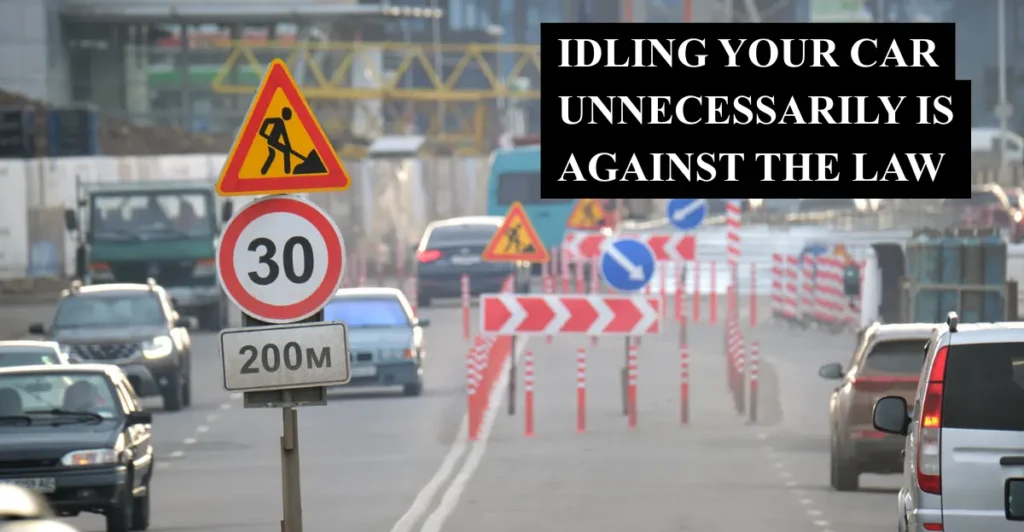
Idling your car unnecessarily is a big no-no under environment laws, as leaving your car running to defrost the windscreen or for convenience increases emissions and harms the environment; never leave your car idling because it is explicitly against the law and contributes to tougher emissions regulations.
I’ve seen motorists underestimate the impact of leaving engines running, and my advice is always to switch off the car to protect both the environment and avoid breaking idling rules.
Parking on the pavement could earn you a £70 fine
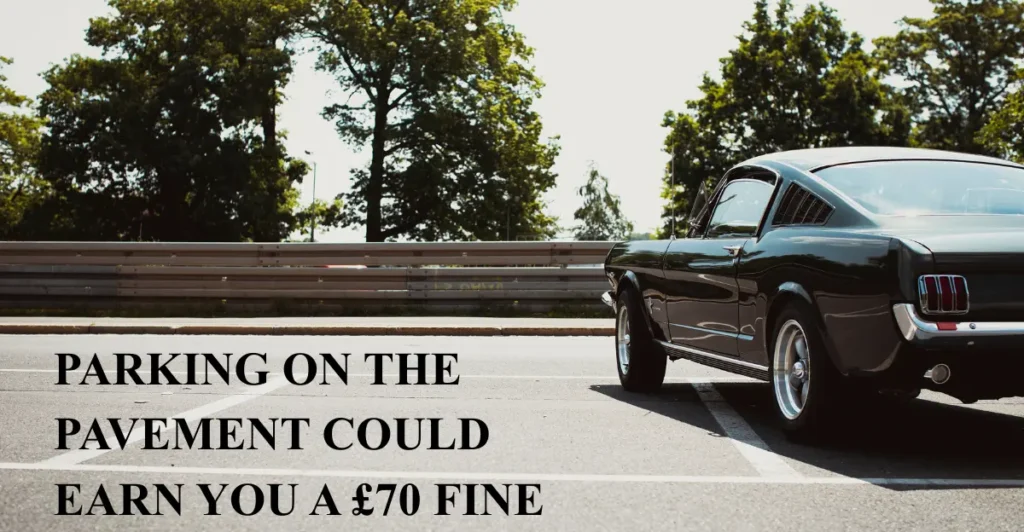
Parking on the pavement is illegal in London and in other parts of the country, and doing so can earn you a £70 fine; the law applies widely, so drivers need to watch where they park to avoid penalties.
In my experience, casual parking on pavements is common, but taking a few seconds to find a legal spot saves hassle and keeps pedestrians safe.
You could get penalty points for eating and drinking at the wheel
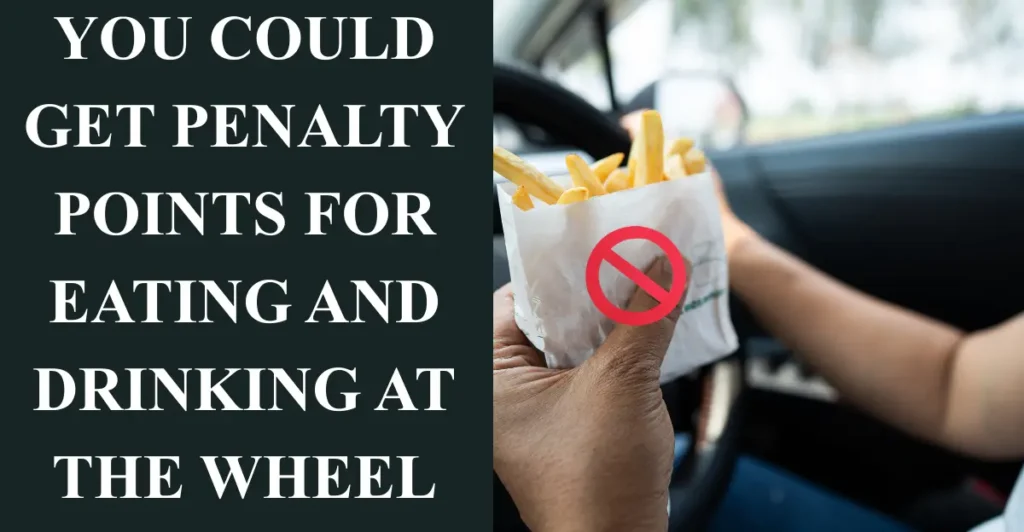
Eating or drinking at the wheel can be unsafe and is classed as driving without due care and attention, with penalty points potentially applied; activities like smoking or applying make-up also fall under this rule, so drivers must be careful while multitasking in the car.
I’ve personally witnessed drivers distracted by snacks, and even minor lapses in attention can lead to enforcement action from the police.
Listening to loud music at the wheel could get you in trouble with the police
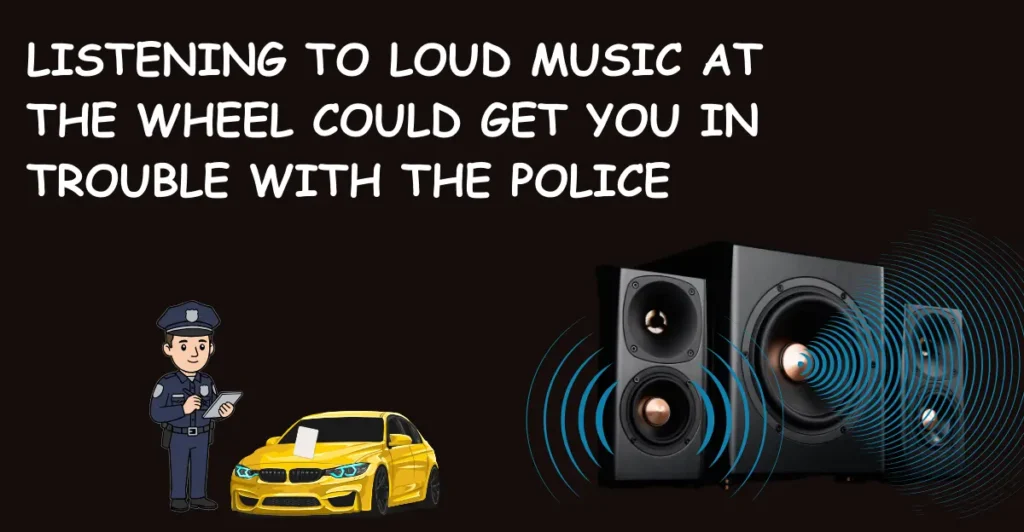
Playing loud music while driving can attract trouble from the police, as it is classed as an attention offence under due care rules; listening at high volumes can impair your focus, similar to eating or drinking at the wheel, and put safety at risk.
From experience, I always advise keeping audio levels moderate, as ignoring this can quickly escalate from distraction to a police warning or penalty.
It’s illegal to use an unfixed mobile phone as a sat nav

Using an unfixed mobile phone as a sat nav is illegal, as smartphones must be in a holder or mount and securely fastened to avoid committing an offence under new mobile phone driving laws issued by the government.
From experience, I’ve seen drivers try to improvise with phones on laps or dashboards, and even a brief glance at an unfixed mobile phone can attract attention from the police.
If you sleep in your car while over the legal alcohol limit, you could get 10 points on your licence
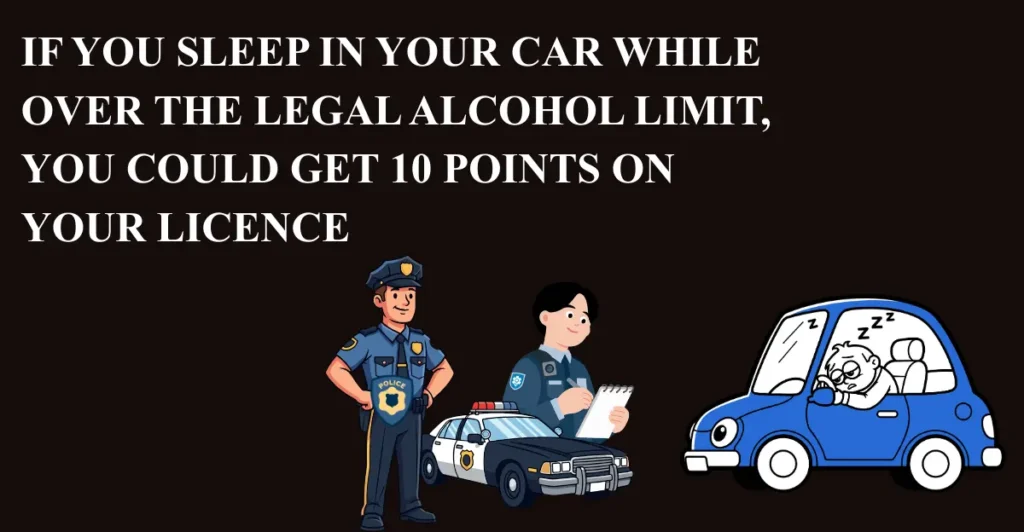
Choosing to sleep in your car after drinking and being tipsy can see you prosecuted by police, with up to 10 points on your licence, even if your intention of driving is absent; staying in a hotel, motorhome, or designated campsite is a safer alternative, as sleeping at the wheel while over the legal alcohol limit is still treated as a crime.
I’ve advised clients that even parked overnight, alcohol limits matter, and getting into your car after drinking can carry unexpected legal consequences.
Got dirt on your number plate? It could cost you £100
Driving with dirty plates or dirt covering your number plate can lead to a £100 fine, as police take a strong stance against obscured vehicles that prevent trace info from being visible.
In my experience, keeping number plates clean is a simple step that avoids unnecessary hassle with police checks.
You could be fined for failing to clear snow from your car’s roof
Failing to clear snow or ice from your car roof and windows is a punishable offence, with penalties if loose snow slides onto other road users; clearing snow before commuting to work or doing a decent job with your car ensures safety for everyone.
I always tell drivers that a few minutes spent clearing ice and snow is far better than risking a fine or accident.
Beeping your horn in stationary traffic for no reason is against the law
Beeping horn unnecessarily in stationary traffic is against the law, as horn use must have a good reason, such as warning when a car is reversing; unnecessary horn use can distract other road users and may draw a harsh view from the police.
From my experience, keeping horn use sensible prevents tension on the roads and avoids run-ins with authorities.
If you forget to turn your lights on at night, you could be stung by a £50 fine
Forgetting to have lights on at night can land you a £50 fine, even in a well lit area like a petrol station; remember lights are crucial, though new cars with automatic lights reduce this problem, drivers still need to be vigilant.
From my experience, even with automatic lights, I always double-check before pulling out in dim conditions to avoid that annoying £50 fine.
Swearing at or being aggressive towards other drivers is an offence classed as ‘disorderly behaviour’
Swearing or showing aggressive behaviour at other drivers is an offence under disorderly behaviour rules, often connected to road rage; losing control at the wheel during a bout of frustration can lead to fines or prosecution, so remembering calmness is key.
I’ve seen drivers escalate minor incidents, and maintaining composure at the wheel avoids turning a simple disagreement into an offence.
Flashing other cars to alert them about a speed camera is an offence
Flashing lights to warn other road users of a speed camera is an offence, as it can be classed as obstructing duty for a police officer; vigilante justice is avoided when drivers simply use your lights correctly for safety.
I often remind motorists that using lights responsibly prevents unnecessary offence while still keeping roads safe.
Driving with unrestrained pets could get you fined
Driving with unrestrained pets can see you fined, as failing to keep four-legged friends restrained while driving is driving without due care and attention; using a harness, dog guard, pet carrier, or dog cage ensures safety for pets and other road users when pulled over.
From personal experience, securing pets properly makes journeys safer and prevents sudden distractions at the wheel.
Sticking a sat nav to the wrong part of your windscreen could land you a fine
Mounting a sat nav incorrectly on the windscreen can lead to a fine, as the law requires it to be at least 29cm from the steering column and not in your direct eye line, avoiding distractions caused by being placed poorly.
I always advise drivers to position their sat nav safely to prevent fines and maintain focus.
Driving over 30mph on a street-lit road could be classed as speeding
Driving over 30mph on a street-lit road is often considered speeding, even with street lights and repeater signs, as the speed limit still applies and enforcement is active.
Experience shows that even slight lapses on familiar street-lit roads can result in penalties.
Thought about tinting your car’s windows? Think again
Tinting windows, especially front windows, can be illegal, while rear windows and after-market window tints must comply with legal limits; police can issue a penalty notice or force drivers to remove non-compliant tints.
I’ve guided clients on tinting windows, and even small errors can trigger legal action.
That big bore exhaust could cost more than just your street cred
Fitting a big bore exhaust or other illegal car modifications that exceed a 90-decibel threshold on private vehicles is punishable, as police can take action if the exhaust silencer is adapted and engine noise exceeds the minimum; while it may boost street cred, it also creates too much noise for the law.
From my experience, some drivers underestimate how strict noise enforcement is, and keeping your engine noise within limits avoids fines and complaints.
Conclusion
Exploring these 20 weird driving laws reveals just how many obscure rules exist to keep road users safe and maintain road safety across the UK. From driving offences to fines for pets, lights, and sat navs, knowing these laws helps you stay compliant and avoid penalties. Stay informed and make every journey safer while respecting the rules of the road.
FAQS
What is the weirdest law ever?
Alabama: No fake mustaches in church if they cause laughter. …
Alaska: Don’t be visibly drunk in a bar. …
Arizona: No donkeys allowed to sleep in bathtubs. …
Arkansas: Mispronouncing “Arkansas” is illegal. …
California: Women can’t drive wearing housecoats.