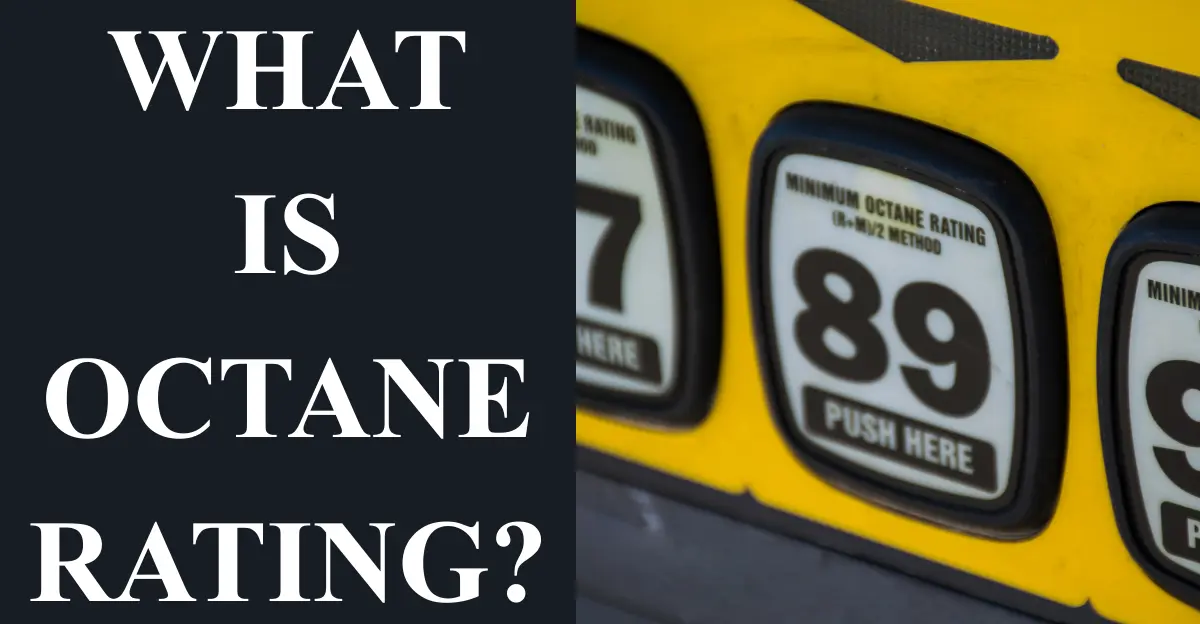
Unlock the full potential of your car with the right octane rating, enhancing fuel performance and maximizing the efficiency of your internal combustion engine. Using the correct octane rating ensures smoother acceleration, reduced knocking, and longer engine life with unleaded petrol and specialized products. Start improving your car’s performance today by choosing the perfect octane rating for every drive.
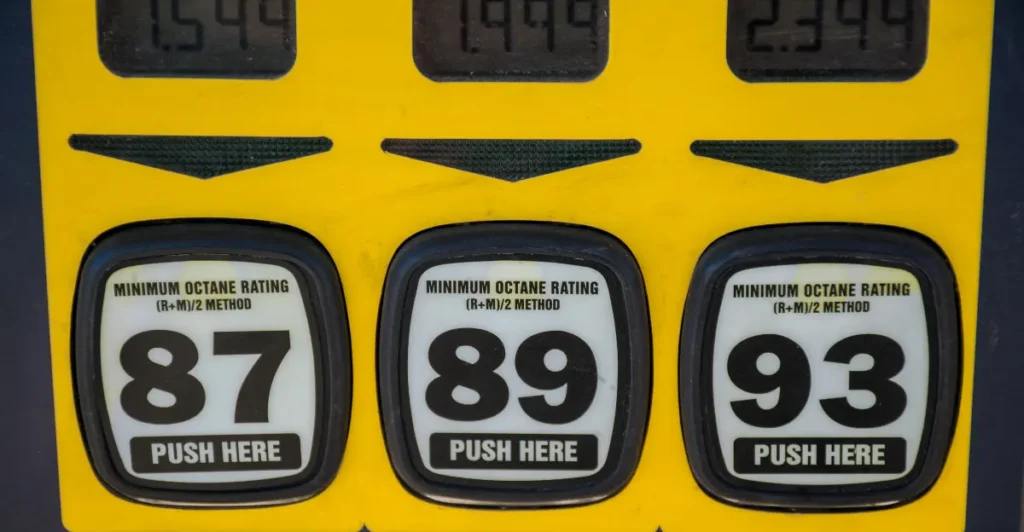
Table of Contents
Octane rating definition
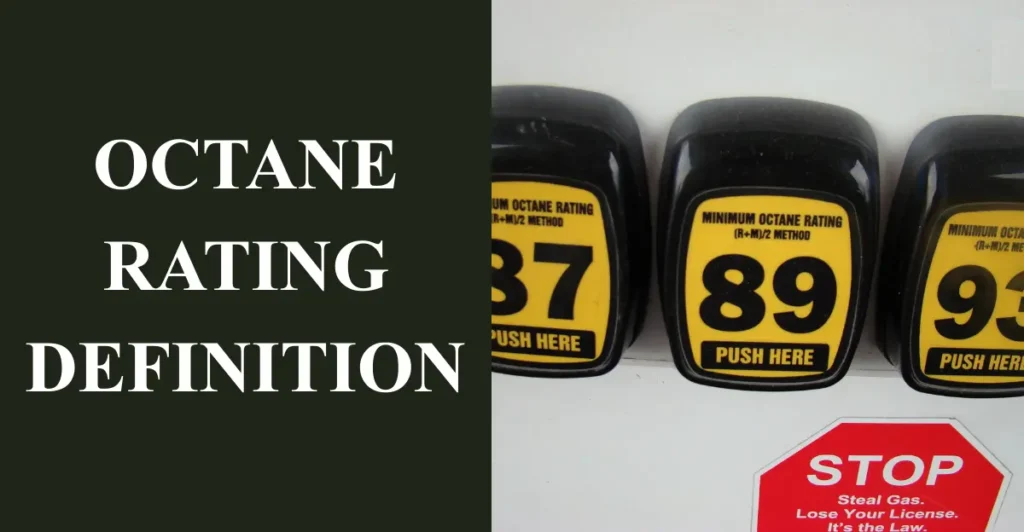
This premature ignition may lead to holes in the pistons and uneven tapping sound during operation. Using a higher octane rating prevents these issues, ensuring smoother combustion, better engine performance, and longevity of the cylinders.
I have personally tuned numerous cars, and I’ve observed that switching to the correct octane rating immediately reduces knocking, improves throttle response, and keeps the engine running efficiently even under high load. This adjustment consistently enhances performance and protects the cylinders and pistons from premature wear, making it a key factor in both daily driving and high-performance setups.
What are the octane ratings?
The octane rating measures the stability of petrol and its ability to deliver optimal performance across different cars. In the UK, the standard fuels like 95 octane petrol and E10 are widely used, with the rating determined by the Research Octane Number (RON).
The RON can reach up to 99 in super unleaded and premium options offered by various retailers, and modern cars are often tuned to extract maximum efficiency from higher octane petrol, ensuring smoother acceleration and reduced engine stress.
From my experience working with high-performance vehicles, switching to the appropriate octane rating immediately improves throttle response and overall performance, while also protecting the engine during extended drives and heavy loads.
How to choose the right octane rating for your car
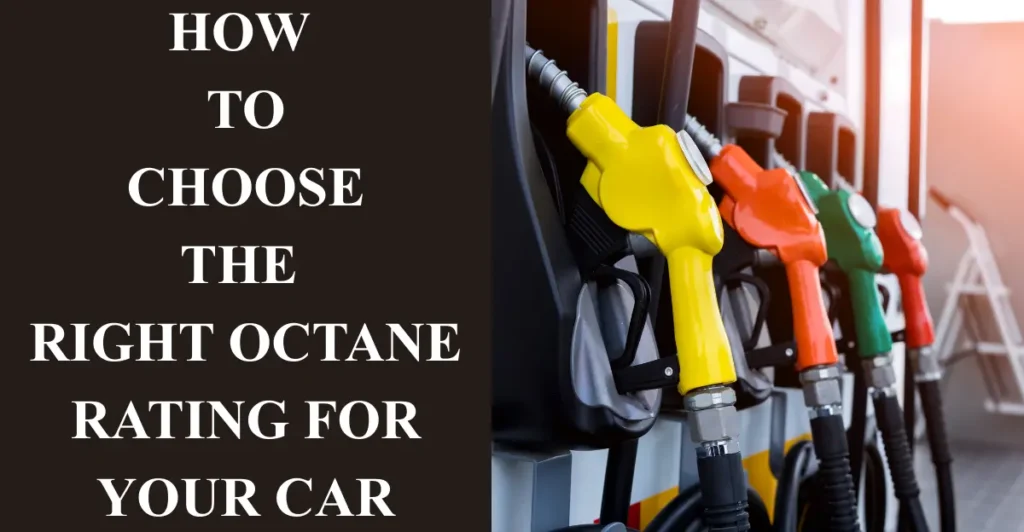
Selecting the higher octane rating for your car ensures a more stable and efficient fuel experience, whether you’re refilling at a gas station with the gasoline pump nozzle or managing performance from the factory settings. Modern cars have ECU map adjustments in the computer that account for compression ratios and ignition timings, and using the correct higher octane petrol prevents pre-ignition, damage, and preserves engine longevity.
95 octane petrol or 97 RON fuels can be chosen based on the owner’s manual guidelines, and adding quality additives supports the injectors and overall engine performance, maintaining smooth operation for both daily drives and high-demand conditions.
From my personal experience tuning multiple cars, I’ve observed that adhering to the recommended octane-rating petrol drastically reduces engine knocking, improves acceleration, and protects internal components over time. Watching a businesswoman or any driver benefit from the correct fuel setup at the gas station reinforces how small adjustments in fuel choice lead to noticeable performance gains and long-term engine health.
Improving the octane rating of your petrol
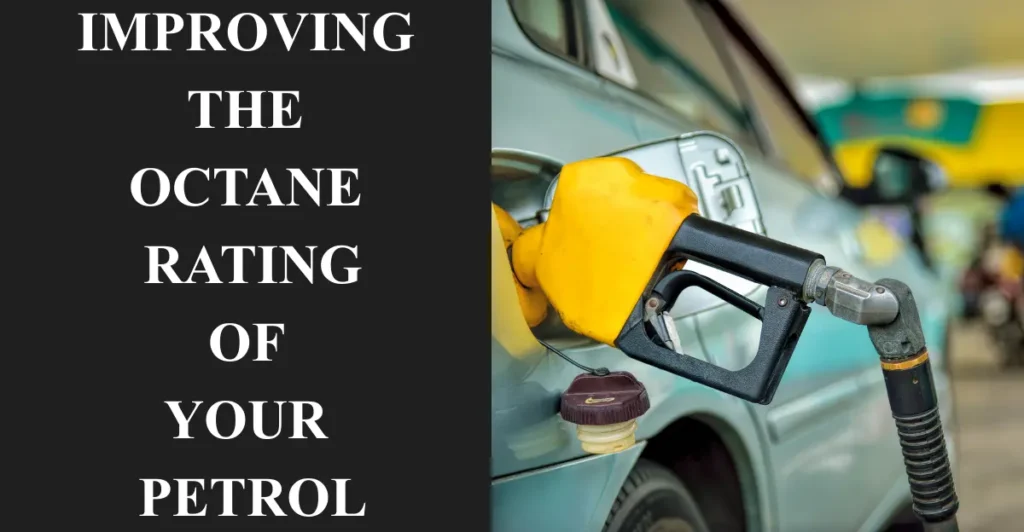
Using premium petrol or high-octane petrol can significantly boost the octane in your car, enhancing performance and protecting the engine over time. Factors like price, availability, and the local area influence fuel choices, but adding proper additives to regular unleaded fuel improves cleaning properties and ensures consistent performance.
When filling the fuel tank, a careful hand ensures accurate dispensing, and selecting fuels with higher RON numbers or premium options can transform a standard car’s driving experience without risking damage.
From my personal experience tuning various cars, I’ve seen firsthand how optimizing octane with the right fuel and additives reduces engine knocking, enhances throttle response, and keeps injectors clean, resulting in smoother drives and long-term engine longevity. Observing these subtle improvements has consistently reinforced the importance of choosing the correct octane level for every vehicle.
Conclusion
Maximizing your car’s performance starts with choosing the right octane rating and using premium petrol or high-octane petrol with quality additives to protect your engine. Proper fuel selection ensures smoother acceleration, reduces knocking, and extends engine longevity for every drive. Take control of your car’s efficiency today by selecting the ideal octane level and experience noticeable improvements on the road.
FAQS
What do octane ratings mean?
Octane rating is a measure of a fuel’s resistance to pre-ignition, or “knocking,” during compression in an internal combustion engine. A higher octane number indicates greater resistance to auto-ignition, which allows for higher compression ratios and improved performance in high-performance and turbocharged engines.