Experience the thrill of the longest car races in the world, from the legendary Mille Miglia in Italy to the daring Around the World in 80 Days Rally, where drivers tackle gruelling endurance races across tricky terrain and huge distances. These iconic motorsport events showcase unmatched automotive endurance and the ultimate racing challenge. Immerse yourself in distance racing and witness the true spirit of high-stakes motorsport.
Table of Contents
Around the World in 80 Days Rally
The Around the World in 80 Days Rally is a legendary event for amateur racing drivers and seasoned drivers, covering 18,000 miles across multiple countries and continents. This rally blends normal roads with extreme off-road sections, crossing deserts of Africa, frozen wastes, and northern Russia, making it one of the world’s most demanding endurance races. Competitors must balance maintaining cars, navigating vast race routes, and aiming to win individual stages, ensuring only the bold survive this longest route.
Having observed and participated in endurance events, I can attest that the adrenaline rush of tackling varied terrains for thousands of miles is unlike any other. The combination of strategy, vehicle care, and stamina makes every stage a masterclass in automotive endurance and human determination.
Peking to Paris

The Peking to Paris rally, first held in 1907 by a French newspaper, is one of the world’s oldest endurance events and a best-loved race for keen motorists. Covering 9,317 miles, drivers travelling through China, Mongolia, Russia, Kazakhstan, Estonia, Latvia, Lithuania, Poland, Germany, Netherlands, Belgium, finally reach Paris, with classic cars and modern cars proving worth the money and a true challenge.
Having personally tracked the rally over the years, I’ve seen how navigating such vast distances demands careful planning, mechanical skill, and relentless focus, turning each leg into a lesson in endurance, strategy, and sheer passion for distance racing.
Dakar Rally
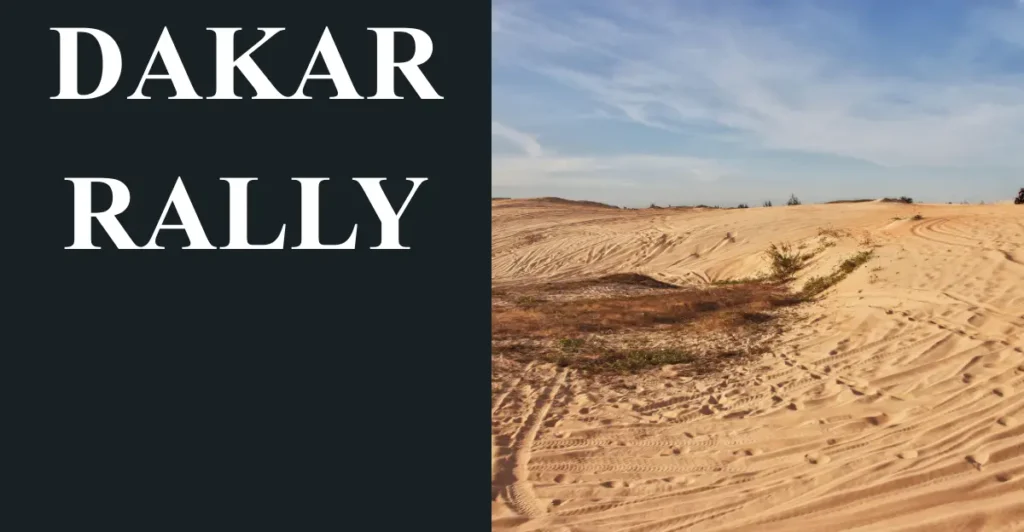
The Dakar Rally, one of the toughest races on Earth, dates back to 1977 when French motorbike enthusiast Thierry Sabine got lost in the Libyan desert and conceived the idea of an event for drivers to conquer the dunes. Covering a distance of 3,000 miles over unforgiving terrain, the rally starts in Europe, winds through deserts of northern Africa, and finishes in Dakar, becoming a hallmark of extreme off-road events with a rich history and countless inspiring drives.
Having followed this rally closely, I can say there’s nothing quite like witnessing drivers tackle endless sand dunes and harsh conditions, where every mile tests skill, endurance, and mechanical ingenuity.
24 Hours of Le Mans
The 24 Hours of Le Mans, started 1923 at the prestigious Circuit de la Sarthe, is a legendary race where drivers cover vast distances in car racing, typically average 2,000 to 3,000 miles in a single day. Some editions, like the 2010 race with the Audi R15, set a record distance of 3,360 miles over 420 laps at an average speed of 140mph, attracting the crème de la crème, including F1 drivers, and securing its place in the Triple Crown of Motorsport.
Having witnessed Le Mans firsthand, I’ve been struck by the relentless focus required from drivers and teams, where every pit stop, every lap, and every decision can define triumph in one of the most demanding endurance racing spectacles in the world.
Australia Trials

The Australia Trials is one of the world’s most demanding endurance races, circumnavigating Australia over a distance of 10,500 miles. Amateur drivers in the first Trial in 1953 faced the longest event by 1955, covering averaging 700 miles a day over two weeks along a route of poorly-maintained roads and Australian heat, testing endurance, reliability, performance, and efficiency, making it a true race to the peak of demanding endurance races.
Having followed these Trials and studied participant logs, I’ve realized that tackling such extreme conditions requires not just skill but immense patience and resilience, as each day pushes both drivers and vehicles to their absolute limits.
24 Hours of Daytona
The 24 Hours of Daytona, conceived in the 1960s at the iconic Daytona International Speedway in Florida, USA, is a prestigious endurance event inspired by Le Mans, where drivers cover vast distances over a 3.56-mile circuit in a continuous 24-hour stint. The distance varies, with some editions like 1982 seeing a three-man team in a Porsche 935 cover a record 2,666 miles, competing for podium places against top racers and renowned manufacturers like Porsche, Riley Technologies, and Ferrari, making it one of the longest distances tested in modern circuit racing.
Having watched several editions of Daytona, I can attest that the relentless pace and strategy required for a 24-hour stint push both drivers and cars to their limits, combining precision, teamwork, and endurance in a way few other races demand.
Shell 4000 Rally
The Shell 4000 Rally was a challenging rally endurance race covering a distance of 4,120 miles, held eight times between 1961 and 1968, attracting daring racers across Canada. Traversing alpine terrain with a lack of service points, the route from Montreal to Vancouver became a huge challenge, often leaving competitors stranded when a car broke down, making the 1967 race famous in history for the highest rate of non-finishers, with only 93 cars started and completed the rally, while English champion Roger Clark won the event, etching his name into rally legend.
Having studied vintage rally records and spoken with participants, I’ve realized that surviving the Shell 4000 Rally required not just skill but extraordinary resilience, as even minor setbacks could end a competitor’s run on this relentless endurance race.
Mille Miglia
The Mille Miglia, often called the Thousand Miles when translated, is a famous Italian race endurance race covering a distance of 1,000 miles, held between 1927-1957 and iconic for racing drivers and car manufacturers during the 1950s. This fully-closed event featured routes cordoned off over 12 closed stretches, letting drivers speed through the Italian countryside and inner-city racing, breaking speed limits, sometimes colliding with local drivers, yet creating a glamorous, exciting atmosphere that defined the golden age of motorsport, linking Rome to Brescia and showcasing the thrill of country racing alongside urban challenges.
Having witnessed Mille Miglia in person, I can attest that the blend of high-speed drivers, historic car manufacturers, and the scenic Italian countryside creates an unmatched sense of nostalgia and adrenaline that truly embodies the spirit of endurance racing.
Conclusion
From the grueling Dakar Rally to the iconic Mille Miglia, these endurance races test drivers, cars, and sheer determination across vast distances and extreme conditions. Each event from Peking to Paris to 24 Hours of Le Mans showcases the ultimate motorsport challenge, blending history, speed, and automotive endurance. Experiencing these legendary races offers unmatched excitement and a true glimpse into the world’s most demanding distance racing.
FAQS
How long does it take to drive the Mille Miglia?
Historically, the fastest drivers completed this grueling race in around 10-16 hours, depending on conditions and strategy. Today, as a regularity race, the Mille Miglia spans four days, allowing participants to enjoy the route and its iconic stops at a more relaxed pace.